2026 Complete Guide to Korea Ski Resort Lift Ticket Prices (Yongpyong vs Phoenix vs Vivaldi)
Quick Info
- 📍 Area: Gangwon-do (Pyeongchang: Yongpyong, Phoenix) & Hongcheon (Vivaldi Park)
- 🕒 Best time: January–February (peak season; weekdays for fewer crowds)
- 💰 Budget: KRW 65,000–75,000/day for lift; +KRW 30,000–35,000 for rentals (varies by promos)
- 🚇 Getting there: Car/shuttle bus from Seoul; plan extra time for winter roads
- 👥 Best for: Families (Phoenix), advanced variety & prestige (Yongpyong), Seoul day-trippers (Vivaldi)
- ✅ TL;DR: Phoenix is usually cheapest for day lift passes; Yongpyong and Vivaldi tend to be pricier but offer strong terrain/access—book early for Jan–Feb.
Before you dive in
If any part of this guide feels useful, take 10 seconds to bookmark it.
Planning a Korea ski trip in January or February is exciting—but also a little tricky. This is peak season: winter school breaks, weekend crowds, and Seollal (Lunar New Year) can push demand up fast. If you’re choosing between Yongpyong Resort (용평), Phoenix Park (휘닉스 파크), and Vivaldi Park (비발디 파크), the biggest question most travelers have is simple:
“Which resort gives me the best value for lift tickets and rentals—without ruining my day with crowds, traffic, or sold-out rentals?”
This guide focuses on Jan–Feb 2026 travel planning, using price ranges (as of 2026/2027) and practical decision-making tips: what to expect, what to book early, where you can save money, and what common mistakes to avoid. Prices can change by date and promotions, so treat these as typical ranges and always check current prices and package deals before you go.
Complete Guide to 2026 Jan–Feb Korea Ski Lift Ticket Prices (Yongpyong vs Phoenix vs Vivaldi)
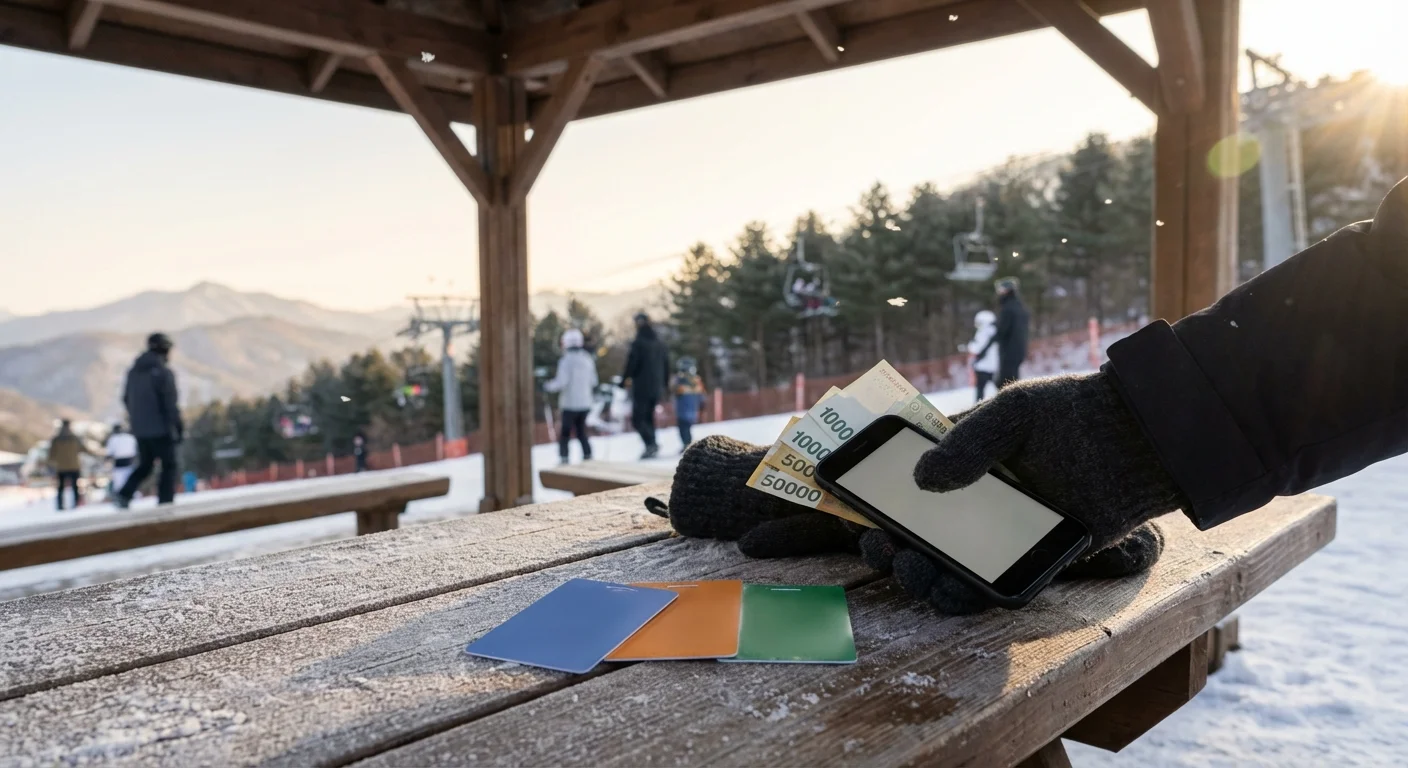
Korea’s ski season generally runs December through February, with January–February being the busiest and most competitive period for reservations. All three resorts in this comparison are popular for different reasons:
- Yongpyong Resort (Pyeongchang): Known for its large-scale slopes and international-event reputation; a classic pick for skiers who want variety and a “big resort” feel.
- Phoenix Park (Pyeongchang): Often favored by families and travelers looking for a more approachable, value-friendly day on the snow.
- Vivaldi Park (Hongcheon): Famous for access from the Seoul metro area, making it a top choice for day trips and quick weekend getaways.
A quick “who should pick what” summary
- If you want the most resort-style experience and slope variety, Yongpyong is often the first place people compare.
- If you’re watching your spend and want a lower typical lift-ticket range, Phoenix tends to stand out.
- If you value shorter travel time from Seoul and want to ski without taking PTO, Vivaldi is usually the practical winner.
Because it’s peak season, you should plan around two realities:
- Prices and availability fluctuate by date (weekends vs weekdays, Seollal, special events).
- The “cheap” resort can cost more in practice if you lose time to traffic, arrive late, or can’t get rentals/lessons at the times you want.
Keep reading for side-by-side lift ticket and rental ranges (as of 2026/2027), plus sample budgets for day trips and overnights.
Side-by-Side Price Comparison: Day vs Night Passes + Rentals
Below are typical ranges as of 2026/2027 based on the research summary (Jan 2026 reference points), expressed as ranges (not exact prices). Always check current prices for your specific dates and consider weekday promotions or bundles.
Lift tickets (Jan–Feb peak season typical ranges, as of 2026/2027)
Yongpyong
- Day lift pass: typically ₩60,000–80,000 (as of 2026/2027; check current prices)
- Night lift pass: typically ₩50,000–70,000 (as of 2026/2027; check current prices)
Phoenix Park
- Day lift pass: typically ₩30,000–45,000 (as of 2026/2027; check current prices)
- Night pass: pricing varies by date/product; typical range uncertain (check current prices)
Vivaldi Park
- Day lift pass: typically ₩55,000–75,000 (as of 2026/2027; check current prices)
- Night lift pass: typically ₩45,000–65,000 (as of 2026/2027; check current prices)
Decision takeaway (tickets):
- Phoenix often comes out cheapest for day passes in typical peak-season comparisons.
- Yongpyong and Vivaldi are closer to each other, with Yongpyong often slightly higher depending on date and product type.
- If you plan to ski after work / late arrival, compare night pass value (Yongpyong and Vivaldi have clear night products in the summary; for Phoenix, confirm what night options are available on your dates).
Equipment rentals (ski/snowboard set typical ranges, as of 2026/2027)
Yongpyong
- Ski set rental: typically ₩30,000–40,000 (as of 2026/2027; check current prices)
- Snowboard set rental: typically ₩30,000–40,000 (as of 2026/2027; check current prices)
Phoenix Park
- Ski set rental: typically ₩25,000–35,000 (as of 2026/2027; check current prices)
- Snowboard set rental: typically ₩25,000–35,000 (as of 2026/2027; check current prices)
Vivaldi Park
- Ski set rental: typically ₩25,000–35,000 (as of 2026/2027; check current prices)
- Snowboard set rental: typically ₩25,000–35,000 (as of 2026/2027; check current prices)
Decision takeaway (rentals):
- Rentals are fairly similar, with Yongpyong often a bit higher in typical ranges.
- The bigger cost swing is usually lift tickets + timing (arriving late makes a day pass feel expensive).
- During Jan–Feb, the real “cost” can be wait time—if you arrive at prime hours and rental lines are long, you lose paid slope time.
Where to book (and what to compare)
To minimize surprises, compare:
- Official resort online sales (often the most reliable for product definitions and blackout dates)
- Resort packages (lift + rental bundles can beat buying separately on some dates)
- Time-based products (half-day, night, or late-entry passes—if offered—can be better value than a full day)
Even if you prefer walk-up, peak season punishes spontaneity. For Jan–Feb 2026 planning, it’s smart to reserve in advance (tickets, rentals, and lessons) and then re-check deals a few days before your trip.
Which Resort Fits Your Trip? Access, Crowd Levels, and Slope Style
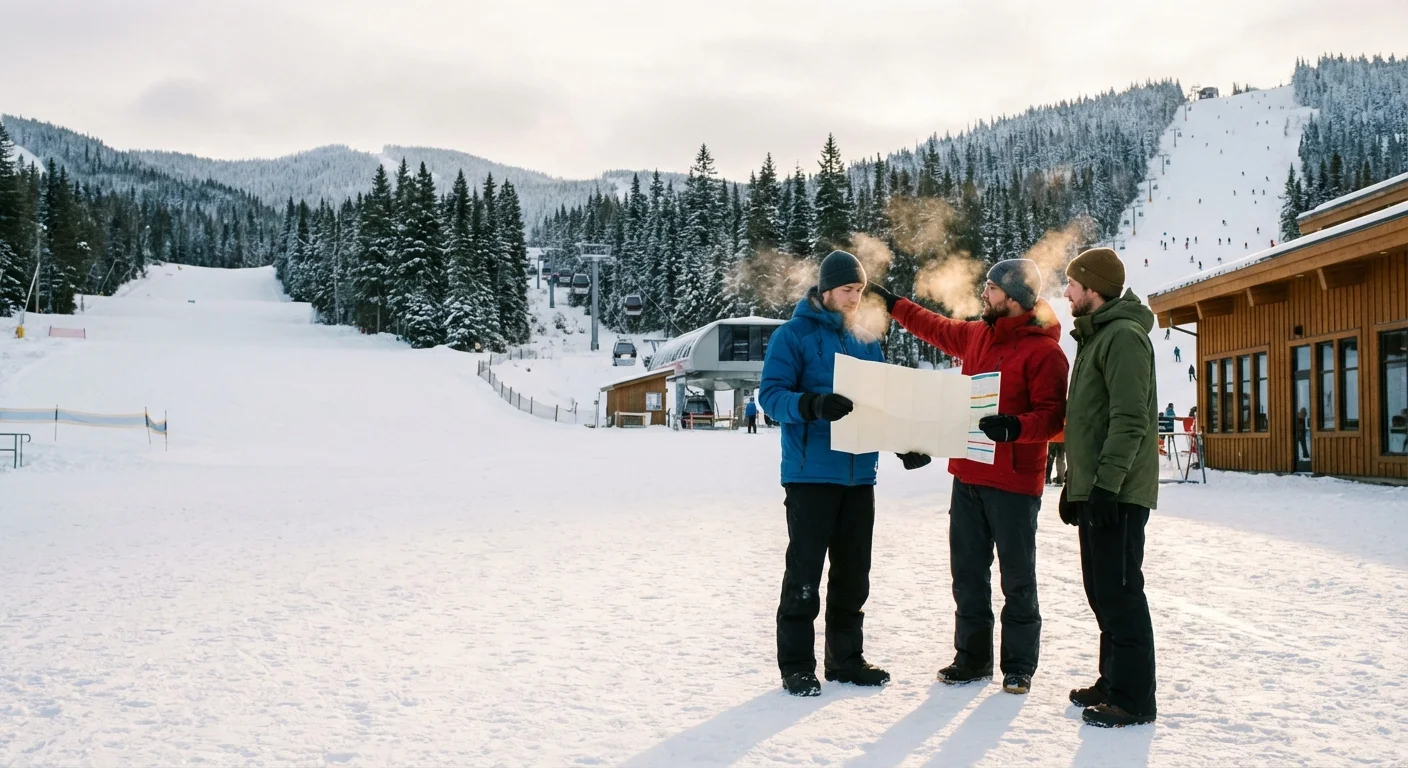
Price matters, but it’s only one part of the equation. In peak season, your total experience value is often determined by:
- How quickly you can get there (and how stressful the drive is)
- How crowded it gets at your arrival time
- Whether the slope mix matches your skill level
- Whether you’re doing a day trip or overnight
Yongpyong (Pyeongchang): big-resort feel, broad slope variety
Best for: travelers who want a “destination ski resort” vibe and more variety across slope difficulties.
- Access: It’s in Pyeongchang, so it usually requires more commitment than a quick Seoul day trip.
- Crowds: Peak weekends and holiday windows can be busy. Because it’s a major resort, it can also attract serious skiers and bigger groups.
- Slope style: The resort is known for a wide spread of difficulty options. If you’re skiing multiple days, this variety can matter more than a small ticket price difference.
When it makes sense financially:
If you’re already staying nearby, or you’re skiing enough hours that a higher ticket price feels “worth it.” Yongpyong’s typical lift ticket range (as of 2026/2027) isn’t the lowest, so it shines when you’re maximizing time on snow.
Phoenix Park (Pyeongchang): family-friendly and typically lower day-pass pricing
Best for: families, mixed-skill groups, and travelers optimizing for lower typical lift ticket cost.
- Access: Also in Pyeongchang, so travel time can be similar to Yongpyong depending on your route.
- Crowds: Popular for family trips and school break travel. Expect queues during prime hours, but good planning (early start, pre-booked rentals) helps.
- Slope style: Often chosen for approachable terrain and a friendly first-timer experience.
When it makes sense financially:
If you’re trying to keep lift tickets closer to the ₩30,000–45,000 typical day-pass range (as of 2026/2027) and want to allocate more budget to lessons, food, or a nearby stay.
Vivaldi Park (Hongcheon): the Seoul-friendly day-trip champion
Best for: day-trippers, weekend travelers, and anyone who wants maximum skiing time with minimal travel friction.
- Access: Its biggest advantage is proximity to the Seoul metro area, which can save hours compared to deeper Gangwon routes.
- Crowds: Because it’s convenient, it can get very busy—especially weekends and holidays. Convenience attracts everyone.
- Slope style: A strong choice for quick sessions. If you want to ski, eat, and head home the same day, Vivaldi fits that rhythm.
When it makes sense financially:
Even if lift tickets are in a similar typical range to Yongpyong (as of 2026/2027), your transport savings (time, fuel, stress, or bus costs) can make Vivaldi the “cheaper” overall day.
What to Know Before You Go: Peak Dates, Seollal, and Weather/Road Conditions
January and February are amazing for snow sports in Korea, but they require more planning than December or early March.
Peak dates to plan around (and why they matter)
- Weekends (Fri night–Sun): higher crowds, longer lift lines, and faster sell-outs for lessons/rentals.
- Winter school breaks: more families and beginner traffic, especially midday.
- Seollal (Lunar New Year) period: one of the busiest travel windows of the season; accommodation and transport can spike, and availability drops.
What to do:
If you can, ski on weekdays. If you can’t, then your best “money-saving tactic” is often time-saving:
- Arrive early enough to gear up before peak rental lines
- Pre-book rentals/lessons
- Consider night skiing (where available) if you’re arriving later
Weather and road conditions: the hidden cost
Even if lift ticket prices look stable, winter travel can introduce unexpected costs:
- Snowy/icy roads can slow travel significantly (and increase accident risk).
- Traffic leaving Seoul on Friday evening or Saturday morning can turn a “day trip” into a long-haul day.
What to do before departure:
- Check weather forecasts for the resort area, not just Seoul.
- Check road conditions and live traffic before leaving.
- Build buffer time—especially if you have lesson reservations or timed ticket products.
If the forecast looks rough, consider rescheduling or switching to a resort with easier access for your starting point. In peak season, losing 2–3 hours to traffic can be the difference between “worth it” and “never again.”
Tips for First-Time Visitors: Rentals, Clothing, Lessons, and Safety Checks
If it’s your first ski day in Korea, you can save money and stress by prepping a few details.
Rentals: how to avoid the worst lines and the worst gear
Peak-season rental counters can get chaotic. To reduce risk:
- Reserve rentals in advance if the resort allows it (especially weekends and holiday windows).
- Arrive early and do a quick inspection:
- Boots fit snugly (not painful) and buckle properly
- Bindings look intact and not overly worn
- Poles are the right height (for skiing)
- Helmet fit is secure
Cost expectations (as of 2026/2027):
- Ski/snowboard set rentals are typically ₩25,000–40,000 depending on resort (check current prices and inclusions).
If you’re comparing deals, confirm what “set” includes. Sometimes it’s board/skis + boots only; helmets or outerwear may be separate.
Clothing: what matters most for comfort (and safety)
You don’t need luxury gear, but you do need the basics:
- Waterproof outer layer (jacket + pants)
- Warm mid-layer (fleece or light down)
- Thermal base layer
- Gloves (insulated + water-resistant)
- Neck warmer/buff and a hat or helmet liner
- Goggles or sunglasses suitable for snow glare
Under-dressing is the fastest way to end your day early and waste your lift ticket. Over-dressing without breathability can also make you sweaty and cold later—layering is the key.
Lessons: the best “budget” investment for beginners
If you’re new, one lesson can save you:
- Time (you learn faster)
- Injury risk (better stopping/turning)
- Money (you spend more time actually skiing rather than struggling on flat areas)
Because lesson spots fill quickly in Jan–Feb, book early and double-check the meeting point and language options.
Safety checks: small habits that prevent big problems
- Warm up and stretch for 5–10 minutes.
- Start on easy runs even if you feel confident.
- Take breaks before fatigue causes falls.
- Stay aware of uphill traffic, especially near merges.
- Keep your phone charged (cold drains batteries fast).
Budget Scenarios: Day Trip vs Overnight (Sample Costs for 1–2 People)
Budgets vary dramatically based on whether you’re doing a pure day trip or adding lodging—and how peak your dates are. The goal here is to give you realistic ranges (as of 2026/2027) you can use when comparing deals. All examples assume one day of skiing.
Scenario A: Day trip (1 person)
Budget travelers (typical range, as of 2026/2027): ₩70,000–120,000
- Lift ticket: ₩30,000–80,000 (resort/date dependent; check current prices)
- Rental set: ₩25,000–40,000
- Food/snacks: ₩15,000–30,000 (varies by appetite and cafeteria choices)
- Local transport/parking: variable (not included in the range; depends on your route)
Mid-range (typical range, as of 2026/2027): ₩120,000–200,000
- Includes potential add-ons like helmet/outerwear rentals, a short lesson, or extra food/drinks.
How to make it cheaper without ruining the day:
- Choose a resort with a lower typical day-pass range (Phoenix often wins here).
- Go on a weekday.
- Consider night skiing (where available) if you can’t arrive early enough to justify a full day pass.
- Compare bundle deals (lift + rental) and check current prices right before booking.
Scenario B: Day trip (2 people)
Budget travelers (typical range, as of 2026/2027): ₩140,000–240,000
- Two lift tickets + two rental sets + basic meals
- This range swings mostly based on lift ticket pricing differences between resorts/dates
Mid-range (typical range, as of 2026/2027): ₩240,000–400,000
- Adds better rental options, helmets, lessons, or more comfortable dining
How couples/friends can save:
- If only one person needs rentals (the other brings gear), your total drops fast.
- Consider staggered lesson spending: one person takes a lesson, the other practices on beginner slopes, then swap later in the season.
Scenario C: Overnight trip (1 person, 1 night)
Overnight costs fluctuate the most in Jan–Feb due to weekends and holiday demand.
Budget travelers (typical range, as of 2026/2027): ₩140,000–260,000
- Day lift + rentals + meals + one night accommodation (basic)
- The biggest variable is lodging availability near the resort
Mid-range (typical range, as of 2026/2027): ₩260,000–450,000
- More comfortable lodging, better meal choices, and/or lesson add-ons
How to save on overnights:
- Stay slightly farther from the resort if transport is easy.
- Book early for weekends and Seollal period.
- Compare “stay + lift” bundles if the resort offers them (often easier than piecing things together).
Scenario D: Overnight trip (2 people, 1 night)
Budget travelers (typical range, as of 2026/2027): ₩280,000–480,000
Mid-range (typical range, as of 2026/2027): ₩480,000–850,000
Where the money goes:
- Lift tickets and rentals scale predictably.
- Lodging can double or triple depending on weekend/holiday timing.
If your dates are flexible, shifting one week earlier/later—or simply switching from Saturday night to Sunday night—can sometimes change the entire budget outcome.
Common Mistakes to Avoid in January–February Peak Season
Peak season is when small mistakes become expensive. Here are the most common ones—and how to avoid them.
1) Buying the wrong pass for your arrival time
A full day pass can feel like a bad deal if you arrive at noon after traffic and rental lines. If you’re not leaving early, compare:
- Night pass options (clear at Yongpyong and Vivaldi in the research summary; for Phoenix, check current prices and products)
- Any half-day or late-entry products offered on your date
2) Not reserving rentals (and wasting paid slope time)
Even when rentals are available, you may lose 45–90 minutes at peak arrival windows. If you’re skiing just one day, that’s a huge chunk of value.
3) Assuming Seollal week will be “normal busy”
Seollal can be next-level crowded. If you must go during that period:
- Book earlier than you think you need to
- Start earlier than you think you should
- Consider an overnight so you’re not fighting day-trip traffic both ways
4) Skipping gear checks because you’re excited
Bindings, boots, and helmets matter. A loose boot fit can ruin the day; a binding issue can be dangerous. Take two minutes to check everything before you step onto the snow.
5) Underestimating cold + wind exposure
Korea’s winter can feel sharper than expected, especially at higher elevations. Bring proper gloves and eye protection. If you’re missing essentials, you may end up buying overpriced replacements on-site.
6) Choosing a resort only by lift ticket price
A cheaper ticket isn’t always cheaper overall if:
- The commute is longer
- The crowd levels reduce your actual ski time
- You end up needing an overnight unexpectedly
When comparing Yongpyong vs Phoenix vs Vivaldi, consider your starting location and your schedule. For many travelers, the “best value” resort is the one that lets you ski more hours with less hassle.
7) Not re-checking prices and deals right before booking
Even in peak season, product types and promotions can change. Make it a habit to:
- Check current prices
- Compare bundles vs separate purchases
- Confirm what’s included (rentals, helmets, hours, night access)
With the right planning—choosing the resort that matches your trip style, booking ahead for peak dates, and using the pass type that fits your schedule—you can enjoy Korea’s January–February ski season without overspending, and you’ll finish your trip already thinking about your next snowy weekend.
FAQ
Q: When are lift ticket prices highest in Korea (Jan–Feb)?
Typically during weekends, winter vacation periods, and around Seollal (Lunar New Year). Weekdays often have better availability and occasional discounts.
Q: What are the typical 2026 Jan lift ticket prices for Yongpyong, Phoenix, and Vivaldi?
Approximate day passes: Yongpyong ~72,000 KRW; Phoenix ~35,000 KRW; Vivaldi ~68,000 KRW. Night passes (where offered): Yongpyong ~60,000 KRW; Vivaldi ~58,000 KRW (prices can change by date/promos).
Q: How much should I budget for ski/snowboard rentals?
Common 2026 Jan rental ranges: Yongpyong ski/snowboard set ~35,000 KRW; Phoenix ~30,000 KRW; Vivaldi ~30,000 KRW. Add extra for clothing, helmets, and goggles if needed.
Q: What practical tips help avoid long lines and sold-out slots?
Go early on weekdays, avoid Seollal peak days, pre-purchase online when possible, and arrive before mid-morning to secure rentals and lessons.
Q: What should first-time visitors prepare for weather and safety?
Bring proper layers, waterproof gloves, face covering/neck gaiter, and check rented gear condition (bindings, boots fit). Warm up and stay within your skill level.
What you can do next
Pick just one action from this guide and do it today—small steps add up.