Quick Info
- 📍 Area: Seoul (central highlights: Gwanghwamun, palaces, Namsan, Myeongdong)
- 🕒 Best time: Spring & fall (Apr–Jun, Sep–Nov); weekdays for fewer crowds
- 💰 Budget: KRW 15,000–20,000 per adult for 1-day pass (route-dependent) + attraction fees
- 🚇 Getting there: Best paired with subway; start near major hubs (e.g., downtown/Gwanghwamun area)
- 👥 Best for: First-time visitors, short-stay travelers, families, anyone wanting efficient sightseeing
- ✅ TL;DR: Check route/timetable, book online early on weekends/peak season, arrive 10–15 min early, and plan photo stops for open-top seats.
Before you dive in
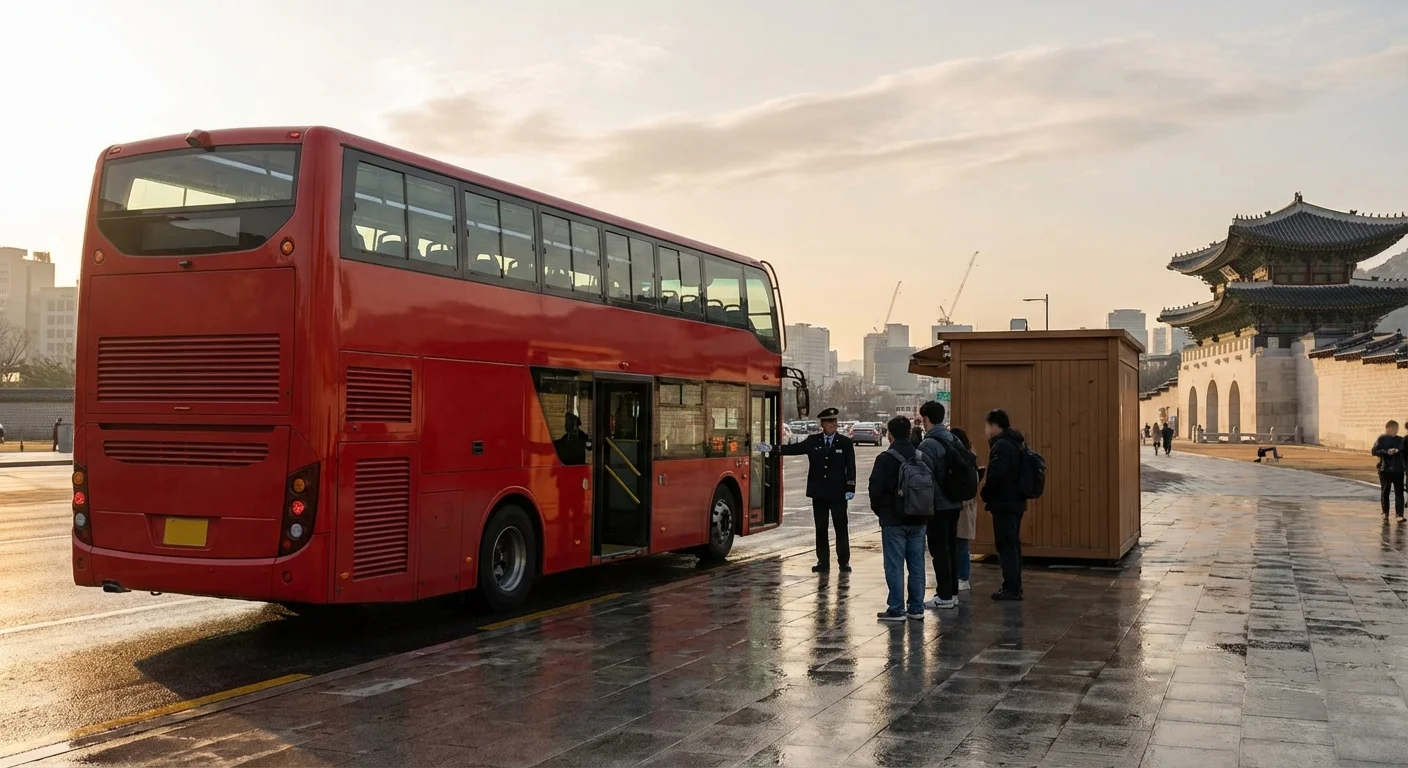
If any part of this guide feels useful, take 10 seconds to bookmark it.
Quick Info
- 📍 Area: Seoul (central highlights: Gwanghwamun, palaces, Namsan, Myeongdong)
- 🕒 Best time: Spring & fall (Apr–Jun, Sep–Nov); weekdays for fewer crowds
- 💰 Budget: KRW 15,000–20,000 per adult for 1-day pass (route-dependent) + attraction fees
- 🚇 Getting there: Best paired with subway; start near major hubs (e.g., downtown/Gwanghwamun area)
- 👥 Best for: First-time visitors, short-stay travelers, families, anyone wanting efficient sightseeing
- ✅ TL;DR: Check route/timetable, book online early on weekends/peak season, arrive 10–15 min early, and plan photo stops for open-top seats.
Before you dive in
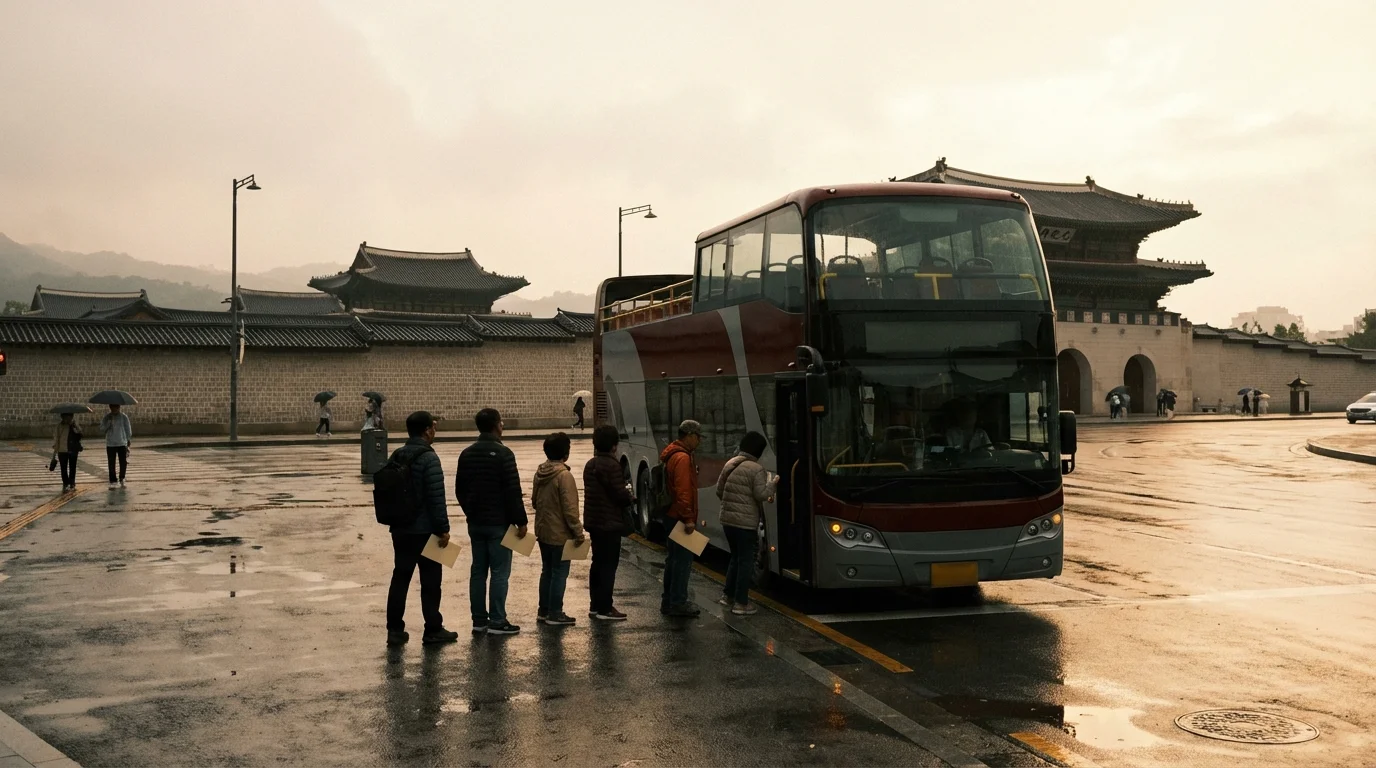
If any part of this guide feels useful, take 10 seconds to bookmark it.
Seoul is a city that rewards slow travel—but it can also be surprisingly spread out once you start mixing royal palaces, mountain viewpoints, shopping districts, and modern landmarks into one itinerary. That’s exactly why the Seoul City Tour Bus remains a go-to option for first-timers, short-stay travelers, families, and anyone who wants an efficient “big picture” day in the capital.
In this guide, I’ll break down the 2026 Seoul City Tour Bus 예약 방법 + 노선/가격 정리 in practical terms: where to book, how routes typically differ, how to check operating updates, what prices usually look like (using price ranges, as of 2026), and the common mistakes that can turn an easy sightseeing day into a stressful one.
2026 Seoul City Tour Bus Overview (Routes, Ticket Types, Who It’s For)
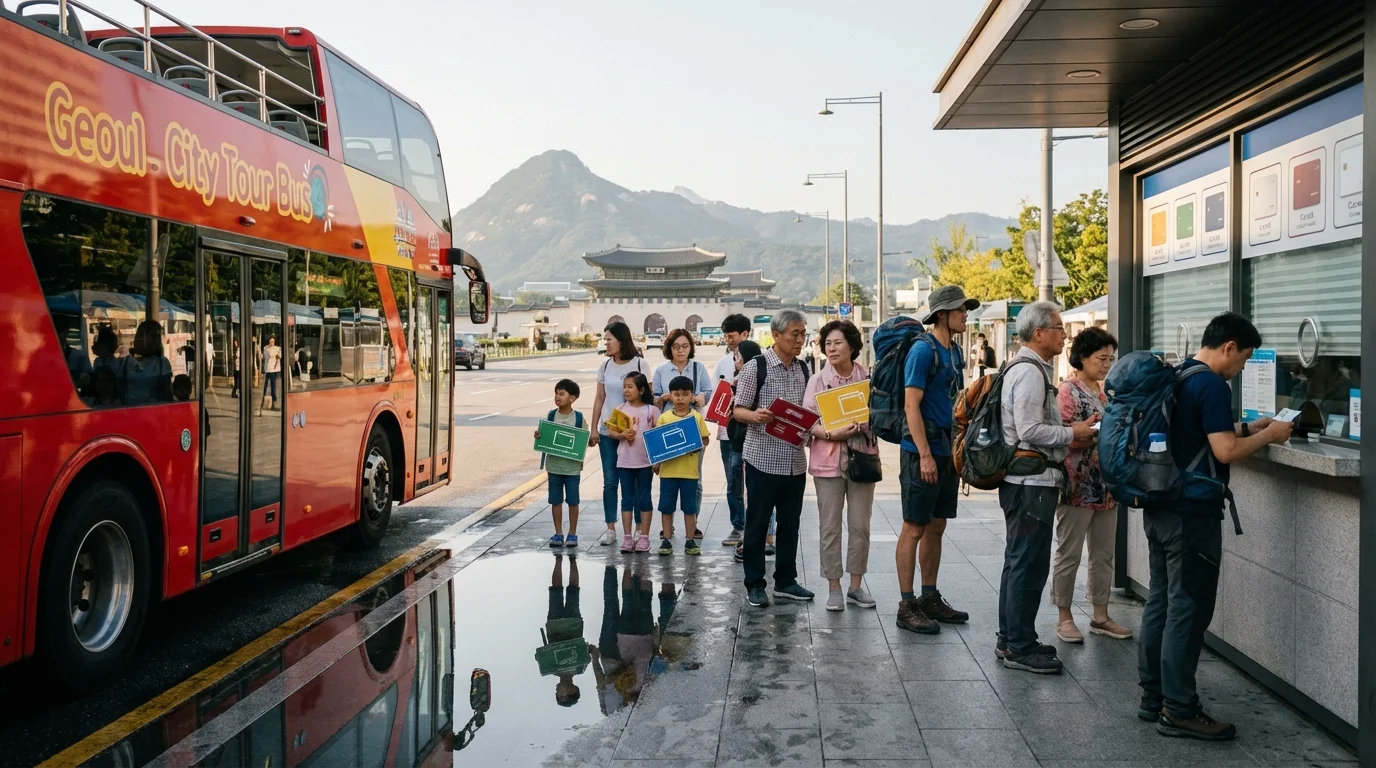
The Seoul City Tour Bus is a dedicated sightseeing bus service designed to connect major attractions in a loop. For many visitors, the appeal is simple: you can see a lot in one day without constantly transferring subway lines or calculating taxi fares.
What it offers (in plain language)
- City-wide sightseeing with curated stops: Routes are built around popular clusters—historic palaces and gates, central “downtown” neighborhoods, and iconic viewpoints like Namsan (N Seoul Tower).
- Time-efficient navigation: Instead of figuring out the fastest way between each stop, you follow a route that already makes geographic sense for sightseeing.
- A structured “first day” plan: It’s ideal if you want to orient yourself—then return to your favorite areas later by subway.
Routes: what “course” means
The city tour bus typically operates multiple courses (routes). One well-known example from official materials is a Downtown–Palaces–Namsan-focused course (often described as a “도심고궁남산코스”), linking places like Gwanghwamun, Gyeongbokgung, and Namsan Tower. Other courses may lean more modern or cover different neighborhoods, depending on the operator and season.
Ticket types (typical)
Ticket types vary by route and operator, but the most common concept is:
- A day pass style ticket that allows sightseeing within the day (often described as a 1-day ticket in visitor guides).
- Some services may have single-ride or limited-ride options, but many travelers choose the day-pass concept because it reduces decision fatigue—get on, get off, explore, repeat.
Who it’s best for
- First-time visitors who want a “highlights reel” of Seoul in one day.
- Families (especially with kids or elderly travelers) who prefer fewer stairs and transfers.
- Short trips (1–3 days) where you need to cover essentials quickly.
- Winter travelers who want warm transportation between outdoor sights.
Who might skip it
- Travelers who prefer deep neighborhood wandering (Ikseon-dong alley cafés, Seongsu pop-ups, etc.) rather than landmark hopping.
- Anyone whose must-see list is mostly outside the central sightseeing loop.
Where to Book 2026 서울 시티투어 버스 예약 방법 + 노선/가격 정리 Tours and Tickets
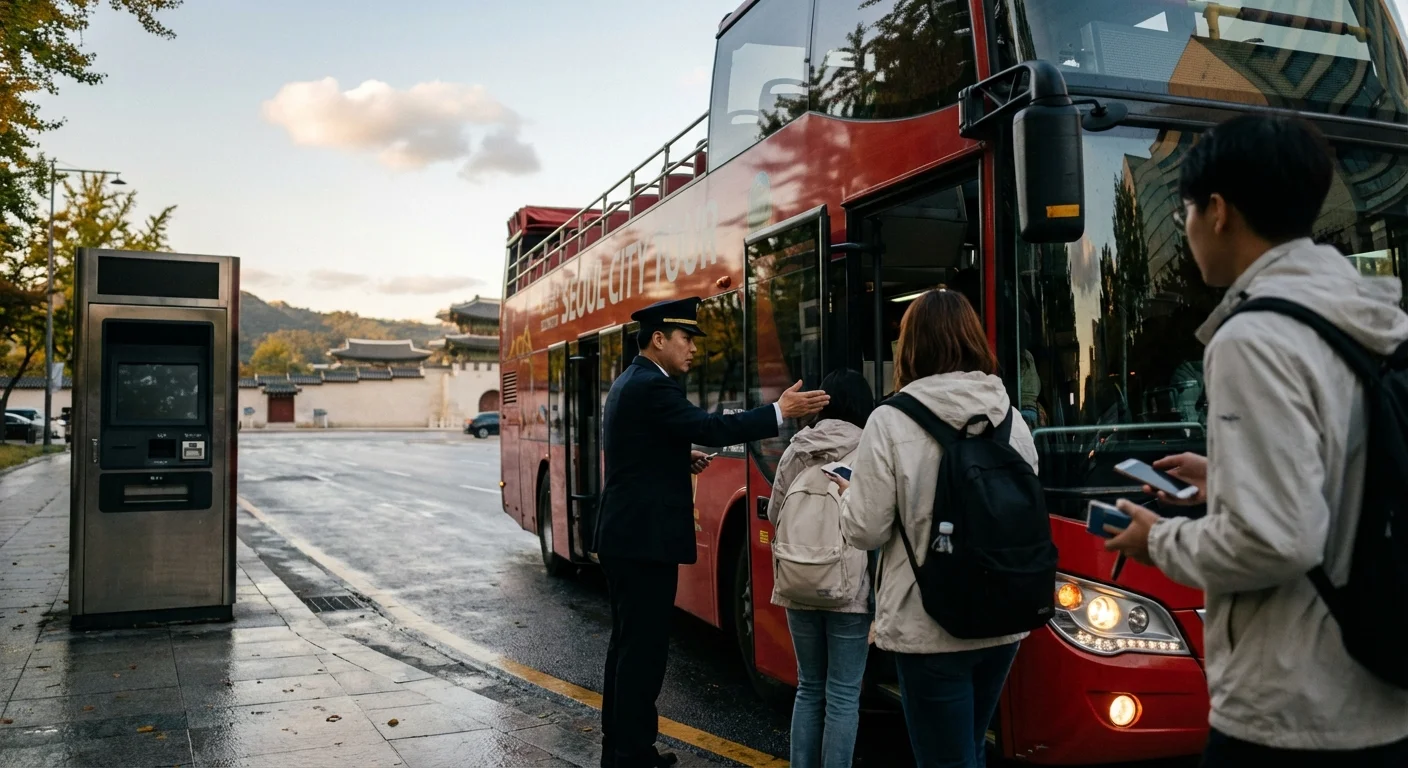
Booking is straightforward, but knowing where to book helps you avoid sold-out time slots and confusion about what your ticket includes.
Option 1: Official website (recommended for planning)
The most reliable place to book in advance is the official Seoul City Tour Bus website (or the operator’s official booking page). This is where you can:
- Confirm current routes and stop lists
- Check operating days and seasonal schedules
- See ticket types and eligibility for discounts
- Review real-time notices (temporary stop closures, holiday schedule changes)
If you’re traveling during peak season (especially spring and fall), it’s smart to compare ticket options and check current prices a few days ahead so you’re not stuck with limited choices.
Option 2: On-site ticket purchase (convenient, but riskier in peak times)
You can typically buy tickets in person at major departure points or ticket offices. This is great if:
- You’re not sure which day will have better weather
- You want to decide after seeing the line and bus frequency
However, the trade-off is availability—on weekends and during busy travel periods, seats can fill quickly. If this is your only “big sightseeing day,” advance booking is the safer choice.
What to confirm before you pay
No matter where you book, double-check:
- Is your ticket route-specific, or valid across multiple courses?
- Is it hop-on/hop-off style (most sightseeing buses are), or more of a fixed tour?
- Are there discount categories (youth/children/seniors) and what proof is required?
Small detail, big impact: If you’re planning to spend the afternoon at a palace and a museum, make sure your chosen route actually stops near them—“downtown” can mean different things depending on the course.
Routes & Key Stops: Which Course to Choose (Palaces, Downtown, Namsan, Modern Spots)
Choosing the right route is the single biggest factor in whether the city tour bus feels like a travel hack or just a long ride through traffic.
If your priority is Seoul’s royal history (Palaces + gates)
Pick a course centered on Gwanghwamun and Gyeongbokgung. A palace-focused loop tends to work well because:
- The top historic sights are relatively close together
- You can do one major palace thoroughly rather than rushing multiple
- It pairs well with nearby neighborhoods for food and cafes
A commonly referenced example is the Downtown–Palaces–Namsan style route (도심고궁남산코스), often including stops such as:
- Gwanghwamun
- Gyeongbokgung
- Namsan / N Seoul Tower area
If you’re the type who loves photos, courtyard architecture, and museums, this is usually the most satisfying “first Seoul” route.
If your priority is skyline views and an iconic Seoul moment (Namsan)
Choose a course that reliably connects to Namsan. Namsan can be one of those places that’s easy in theory but annoying in practice if you’re juggling buses, cable car lines, and timing.
The city tour bus simplifies that—just remember:
- Namsan is best near sunset, but crowds spike then too.
- If your tour bus stops at Namsan, plan your day so you’re not racing the last bus.
If your priority is modern Seoul (shopping streets + contemporary landmarks)
Some courses lean toward modern districts and landmarks, which can be a better match if your trip is more about:
- Shopping and department stores
- Street food corridors
- Design-forward neighborhoods and cityscapes
Because “modern spots” vary by year and operator, treat the stop list like a menu: don’t assume a popular district is included. Check the latest stop list on the official route map or brochure before choosing your ticket.
A simple decision framework
If you’re unsure, pick based on your travel style:
- One-day in Seoul? Choose palaces + downtown + Namsan for maximum variety.
- Two-plus days in Seoul? Use the tour bus for historic highlights, then spend the next day exploring neighborhoods by subway.
- Traveling with kids/parents? Prioritize fewer stops with longer explore time at each.
Timetables & Operating Days: How to Check Real-Time Updates
Timetables matter more than most people expect—especially because Seoul traffic, seasonal demand, and holiday changes can all affect service.
Typical operating window (based on available guidance)
A commonly stated general range is around 9:30 AM to 6:20 PM, but actual times vary by route and day of the week. Treat that window as a planning baseline, not a guarantee.
Why you should check updates the same day
Even if you already booked:
- Public holidays can change schedules
- Special events may reroute traffic around central Seoul
- Winter weather (snow/ice) can disrupt operations
The best habit: check official announcements the evening before and again in the morning—especially in winter.
What “real-time” checking looks like (practical steps)
- Look for the operator’s service notices (delays, route detours, stop closures)
- Confirm the first and last bus times for your specific course
- Verify whether your preferred stop is active (some stops can be temporarily hard to access)
If your day has one “non-negotiable” attraction (like Gyeongbokgung), plan to do it earlier rather than later—so a late-day disruption won’t derail your entire itinerary.
Typical Prices & Budget Examples
Seoul City Tour Bus pricing can shift by route, season, and ticket type, so it’s best to think in ranges and then check current prices when you book.
Typical ticket price ranges (as of 2026)
Based on commonly published guidance for day-pass style tickets:
- Adults (1-day ticket): typically ₩15,000–₩20,000 (as of 2026/2027; check current prices)
Discounts are often available for:
- Children
- Youth/teens
- Seniors
Discount rules (age cutoffs, required ID) can differ, so confirm at booking time.
What you’re paying for (value check)
A day-pass style sightseeing bus can be good value if you:
- Plan to visit multiple stops and actually hop on/off
- Want to reduce transit planning time
- Are traveling as a group where taxis would add up
It may be less cost-effective if you:
- Only plan to visit one major area (e.g., only Hongdae or only Gangnam)
- Prefer walking + subway and don’t mind transfers
Budget examples (daily sightseeing costs, ranges)
These examples are intentionally broad, because your spend depends on food choices, attraction admissions, and how often you hop off.
- Budget travelers: ₩25,000–₩60,000/day (as of 2026/2027; typical range; check current prices)
(Tour bus ticket + convenience-store meals or simple local eats + one paid attraction) - Mid-range travelers: ₩60,000–₩130,000/day (as of 2026/2027; typical range; check current prices)
(Tour bus ticket + café stops + a couple of paid entries + more flexible meals) - Comfort-focused travelers: ₩130,000–₩250,000+/day (as of 2026/2027; typical range; check current prices)
(Tour bus ticket + sit-down meals + multiple admissions + occasional taxi upgrades)
Tip: If you’re already planning to do Namsan and palaces on the same day, the tour bus often becomes “worth it” simply because it reduces the friction of moving between areas.
Step-by-Step: How to Ride (Boarding, Hop-on/Hop-off Rules, Best Seats)
Riding the city tour bus is easy, but a few small choices can dramatically improve your day—especially if you’re trying to time palace visits, lunch, and sunset views.
1) Before you board: plan your “anchor stops”
Pick 2–3 places you truly want to explore (not just photo-stop). Common anchors include:
- A main palace stop (for history and photos)
- A viewpoint stop like Namsan (for skyline)
- A downtown food/shopping zone (for dinner and wandering)
Then treat everything else as optional. This prevents the classic mistake: hopping off too often and spending most of your day waiting for the next bus.
2) Boarding: arrive early at the first stop
If you’re starting at a popular departure area, arrive early so you can:
- Choose better seats
- Ask staff to confirm the route direction and key stops
- Avoid the stress of last-minute ticket scanning
3) Hop-on/hop-off etiquette and strategy
Many sightseeing buses operate on a hop-on/hop-off concept, but the rules can vary:
- Some allow unlimited rides within the ticket validity window
- Some may have guidance on the last boarding time or final loop
To ride smart:
- Do one full loop (or most of it) if you’re unsure which stops you want. It’s an efficient way to “preview” Seoul.
- Then hop off at your top priorities and explore longer.
4) Best seats (for photos and comfort)
- If you’re on an open-top or large-window bus, choose seats based on what you want to photograph: palaces and gates versus skyline and street scenes.
- Bring a light layer—even in warmer months, wind on open-top seating can feel chilly after sunset.
- If it’s hot, prioritize air-conditioned seating and limit midday outdoor exposure (more on this below).
5) Timing your day (a sample flow)
A simple, low-stress structure:
- Morning: palace/downtown historic stop
- Midday: indoor-friendly stop + lunch
- Late afternoon: Namsan/viewpoint stop
- Evening: finish near a lively dining area so you can continue your night without worrying about the last bus
Money-Saving Tips
The Seoul City Tour Bus can be a smart spend, but only if you use it in a way that replaces other costs (time, taxis, decision fatigue).
Use it on your “high-movement” day
If you have one day where your must-sees are spread across the city center, that’s the best day to buy the ticket. On slower days (one neighborhood only), walk/subway will likely be cheaper.
Compare ticket types before checkout
Because ticket options can differ by route/operator:
- Compare whether a day-pass style ticket is cheaper than multiple limited rides (if offered)
- Confirm if you’re paying extra for an upgraded experience (like specific bus types) and whether you actually want that
Always check current prices right before you finalize.
Stack discounts (when allowed)
If your group includes children, teens, or seniors, check discount eligibility carefully. Even small per-ticket discounts add up for families.
Minimize “waiting costs”
Waiting 30–40 minutes for the next bus can quietly increase your spending (extra coffees, extra taxis, rushed meals). Plan fewer, longer stops so you ride less often but more purposefully.
Avoid the “double transport” trap
A common money leak is paying for the tour bus and still taking multiple taxis because you missed the timing. Prevent that by:
- Tracking last bus timing
- Ending your tour day in an area that’s easy to subway back from
Seasonal Tips + Common Mistakes to Avoid (Weather, Stop Locations, Peak Days)
Seoul’s seasons are dramatic—in a good way—but they change how you should use a city tour bus.
Spring & fall: the best time, and the busiest
Why it’s great:
- Comfortable walking temperatures
- Clearer skies for skyline photos
What to do:
- Book ahead on weekends and peak travel periods
- Start earlier so you can visit a palace before crowds peak
Common mistake:
- Assuming you can buy tickets on-site at any time. In busy seasons, seats can sell out faster than you expect.
Summer: plan around heat and indoor breaks
Why it’s tricky:
- Heat and humidity can make open-top seating uncomfortable
- You’ll fatigue faster if you hop off too frequently
What to do:
- Choose a strategy with indoor stops (museums, cafés, department stores)
- Prioritize buses with strong air conditioning
- Carry water and consider a hat or umbrella if you’ll sit on an open top
Common mistake:
- Scheduling long outdoor walks at midday. Use the bus to move efficiently, but time your outdoor sightseeing for morning or late afternoon.
Winter: comfortable riding, but watch road conditions
Why it can be excellent:
- The bus becomes a warm “moving lounge” between cold outdoor sights
- Visibility can be crisp on clear winter days
What to do:
- Check service updates for snow/ice conditions before leaving
- Keep your schedule flexible in case of delays
Common mistake:
- Not confirming whether operations are reduced or modified due to weather. Always verify on the day.
Stop locations: the sneaky problem that wastes time
Some stops can be harder to locate than travelers expect, especially if:
- You’re navigating in a new city
- A stop is placed on a busy road or near a large intersection
What to do:
- Look up stop locations on a map before you head out
- Screenshot the stop map and your key stops so you’re not dependent on mobile signal
- Give yourself a buffer if you’re transferring from subway to the tour bus
Peak days: weekends, holidays, and “perfect weather” days
Even outside peak seasons, demand jumps on:
- Weekends with clear skies
- Public holidays and festival periods
What to do:
- Ride earlier in the day
- Consider doing one full loop first if buses are crowded—this reduces the risk of hopping off and being unable to re-board quickly
Common mistake:
- Overplanning every stop. On crowded days, you’ll enjoy Seoul more by committing to fewer highlights and leaving room for spontaneity.
The Seoul City Tour Bus is at its best when you treat it like a flexible framework—use it to connect your biggest priorities, keep your day flowing, and reduce transit stress—then adjust based on weather and crowds after you check current schedules and prices.
FAQ
Q: How do I book Seoul City Tour Bus tickets online in 2026?
Use the official Seoul City Tour Bus website to select a route/date and complete payment, then show the confirmation (mobile voucher or printed) at the boarding point to redeem/board.
Q: Can I buy tickets on-site, and will seats sell out?
Yes, on-site purchase is usually available, but weekends, holidays, and peak spring/fall dates can sell out early—online booking is recommended to secure seats.
Q: How much does the Seoul City Tour Bus cost?
Typical adult pricing for a 1-day ticket is about KRW 15,000–20,000 depending on route and ticket type. Discount fares may apply for children, teens, and seniors.
Q: Are there discounts for children, teens, or seniors, and what ID do I need?
Discounts are commonly offered for children/teens/seniors. Bring a passport or official ID (and any age-verifying document) in case staff request verification at ticketing.
Q: What’s the refund or change policy if my plans change?
Policies vary by ticket type and booking channel. Check the official site’s latest terms before paying, especially for same-day changes, weather issues, or no-shows.
What you can do next
Pick just one action from this guide and do it today—small steps add up.