Busan Nampo-dong Shopping 2025: Best Streets, Where to Buy & Prices
Quick Info
- 📍 Area: Nampo-dong, Jung-gu (near Nampo Station & Jagalchi Station), Busan
- 🕒 Best time: Weekday mornings for fewer crowds; December evenings for Nampo Tree Festival vibes
- 💰 Budget: Budget to mid-range: ~10,000–50,000 KRW for accessories/tees; more for outerwear or vintage finds
- 🚇 Getting there: Subway Line 1 (Nampo/Jagalchi). Walkable between markets, underground arcade, and Gwangbok-ro
- 👥 Best for: Bargain hunters, street-fashion fans, souvenir shopping, market lovers
- ✅ TL;DR: Start at Nampo Underground Mall for easy fashion basics, browse Gukje Market for bargains/vintage, then finish on Gwangbok-ro for trendy shops and cafes.
Before you dive in
If any part of this guide feels useful, take 10 seconds to bookmark it.
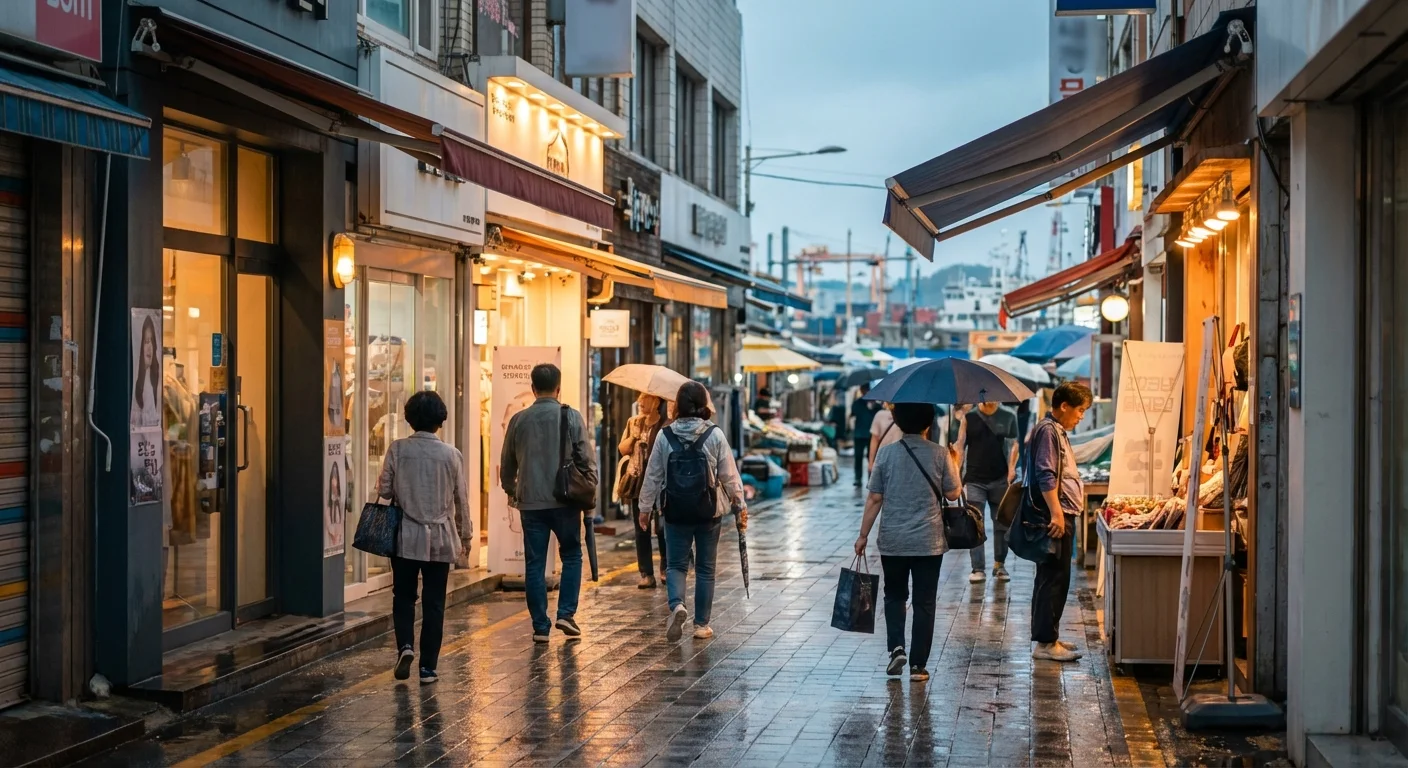
If you’re planning a Busan trip in 2025, Nampo-dong (남포동) is one of the easiest places to combine sightseeing and shopping in one compact, walkable area. This neighborhood in Jung-gu is famous for its mix of traditional markets, underground shopping arcades, and fashion streets—plus the bonus of being close to iconic coastal spots like Jagalchi Market.
What makes Nampo-dong especially good for travelers is the variety: you can browse budget-friendly accessories in the underground mall, hunt for quirky finds in Gukje Market (국제시장), and then finish with trendier storefronts along Gwangbok-ro (광복로). It’s also a great place to shop even if you don’t speak much Korean—many stalls are used to tourists, and prices are usually easy to compare.
Below is a decision-focused guide to where to buy, what to shop for by area, what price ranges to expect (as of 2025/2026), and a half-day walking route that helps you shop smarter—without carrying heavy bags too early.
Where to Buy 부산 남포동에서 쇼핑하기
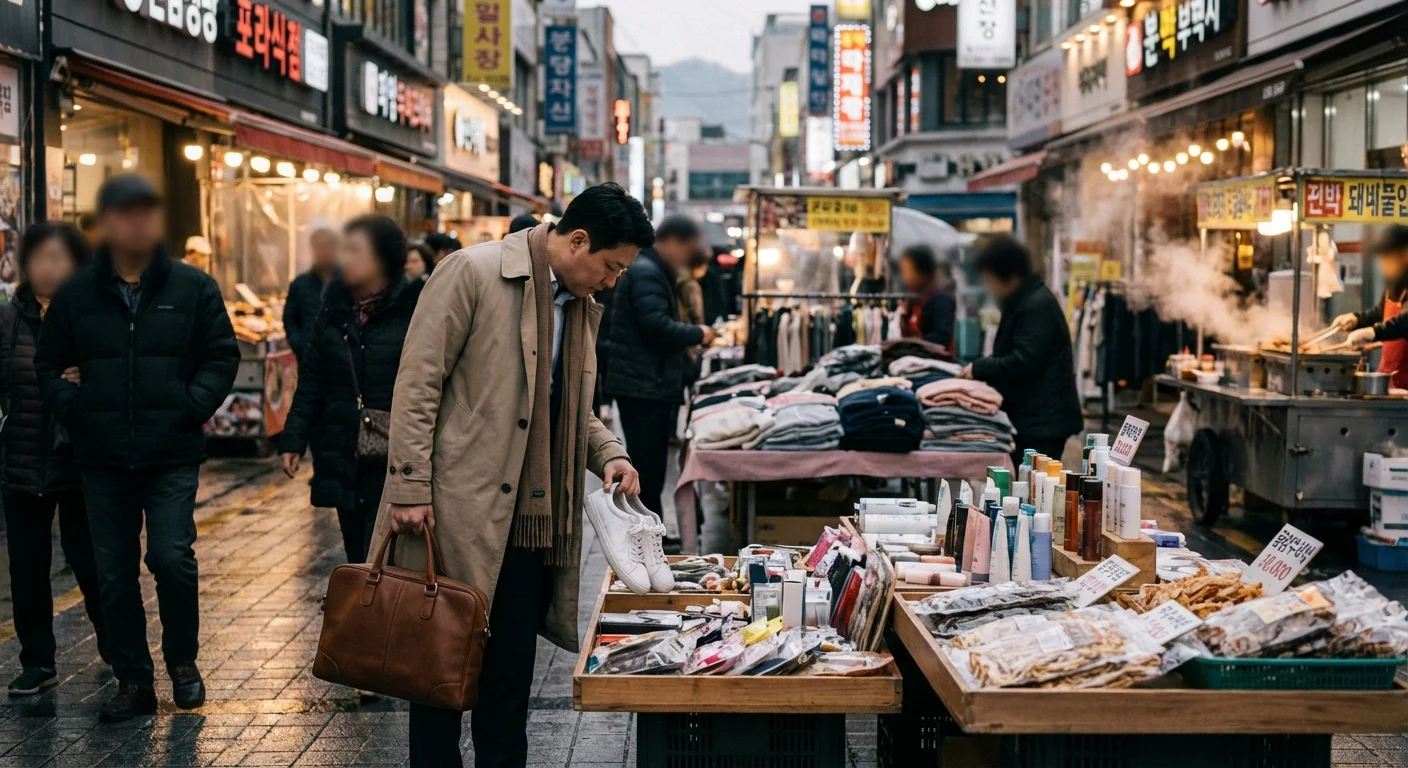
Nampo-dong shopping is best understood as three connected zones you can visit in one outing. Each has a different “shopping personality,” so knowing where to start can save time and help you avoid overpaying.
1) Nampo-dong Underground Shopping Mall (남포동 지하도상가)
This underground arcade runs between Jagalchi Station and Nampo Station, making it one of the most convenient shopping areas to reach by subway. It’s packed with small shops selling:
- Women’s and men’s clothing (including casual basics)
- Accessories and costume jewelry
- Small crafts and gift items
Why shop here: It’s usually cheaper than street-level boutiques, and it’s weather-proof—ideal on rainy or humid days. It’s also a good “warm-up” stop to check styles and typical pricing before you head to the markets above ground.
What to avoid: Buying impulsively at the first stall. Many shops sell similar items, so it’s worth doing one quick lap to compare.
2) Gukje Market (국제시장)
Gukje Market is one of Busan’s most famous traditional markets. It’s known for variety and bargain vibes, and it’s especially popular for:
- Vintage clothing and accessories
- Random-but-useful household items
- Souvenirs that feel more “local” than airport gift shops
Why shop here: If you like browsing and treasure hunting, this is the heart of Nampo-dong. It’s also one of the better areas for finding low-cost items and negotiating gently (more on that in tips).
What to avoid: Rushing quality checks, especially with vintage items. Prices can be great, but condition varies a lot.
3) Gwangbok-ro Fashion Street (광복로)
Gwangbok-ro is the “main street” fashion-and-walking zone, lined with brand shops, beauty stores, and trend-focused clothing.
Why shop here: If you want newer, more current-season styles, this is often easier than digging through racks at a market. It’s also a more “browse-friendly” street with a clear retail layout.
What to avoid: Assuming it’s always more expensive. Some stores run promotions, and you may find competitive prices during seasonal sale periods—so it’s worth comparing and checking current deals.
4) Wise Park (와이즈파크)
Wise Park is a multi-purpose shopping complex in central Nampo-dong with fashion, goods, and dining options.
Why shop here: Great for a structured shopping break—air-conditioning, clear pricing, and easy food stops. If you’re shopping with family or friends who want a less chaotic environment than a market, it’s a convenient compromise.
What to avoid: Treating it like your only stop. If you want the most budget-friendly finds, you’ll usually still want at least one market/underground segment.
Best 부산 남포동에서 쇼핑하기 Recommendations (What to Shop for by Area)
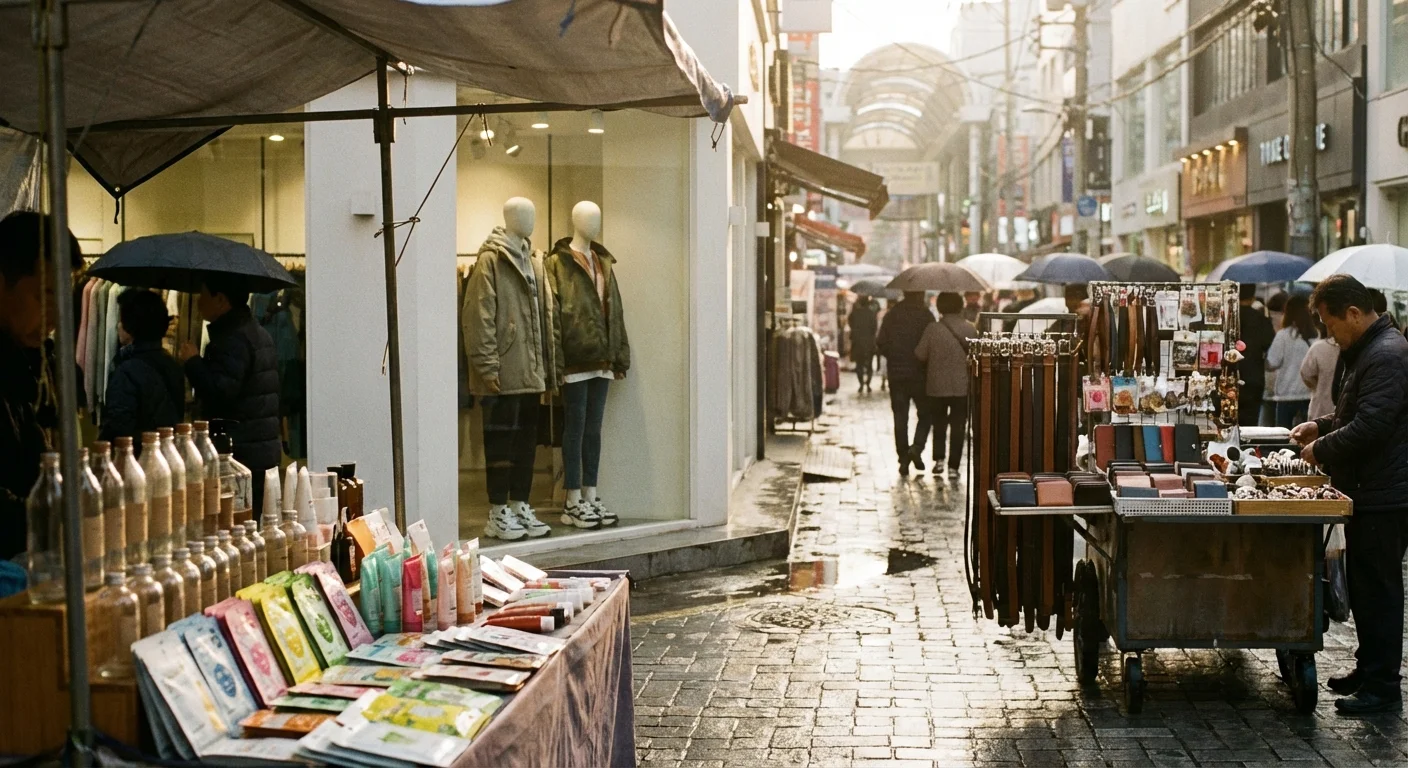
If you only have a half day, you’ll shop better by matching the item type to the best area—instead of buying everything in one place.
For budget basics and “one-trip essentials”: Underground Mall
Best buys here tend to be:
- Casual tops, simple outerwear, and everyday wear
- Easy gifts like hair accessories, scarves, and small fashion items
- Low-risk purchases you can wear immediately on your trip
Decision tip: If you’re building a travel capsule wardrobe (simple pieces you can mix and match), the underground mall is often the fastest place to do it. Walk through once, note price ranges, then come back to buy.
For vintage, quirky finds, and bargain hunting: Gukje Market
Gukje is the spot for:
- Vintage clothing and accessories (big range in style and condition)
- “Unexpected souvenirs” like retro items and unique small goods
- Shopping experiences that feel distinctly Busan
Decision tip: Use Gukje for items where you’re willing to invest time. The best finds often come after you compare multiple stalls and check condition carefully.
For trend-focused street fashion and beauty shopping: Gwangbok-ro
Gwangbok-ro works well for:
- More current, “street-ready” looks
- Beauty and personal care shopping (often easier to browse than markets)
- Shopping if you prefer clear displays and less negotiating
Decision tip: If you care about sizing convenience, fitting rooms, or quick exchanges, street stores here are generally easier than traditional markets.
For shopping + food breaks + predictable retail: Wise Park
Wise Park is good for:
- Quick “everyone agrees” shopping stops
- A controlled environment when weather is extreme
- Combining browsing with a meal or café break
Decision tip: Use it as a reset point—especially if your group is splitting (some shopping, some resting). It can keep the day smoother and reduce decision fatigue.
Price Ranges & What to Expect
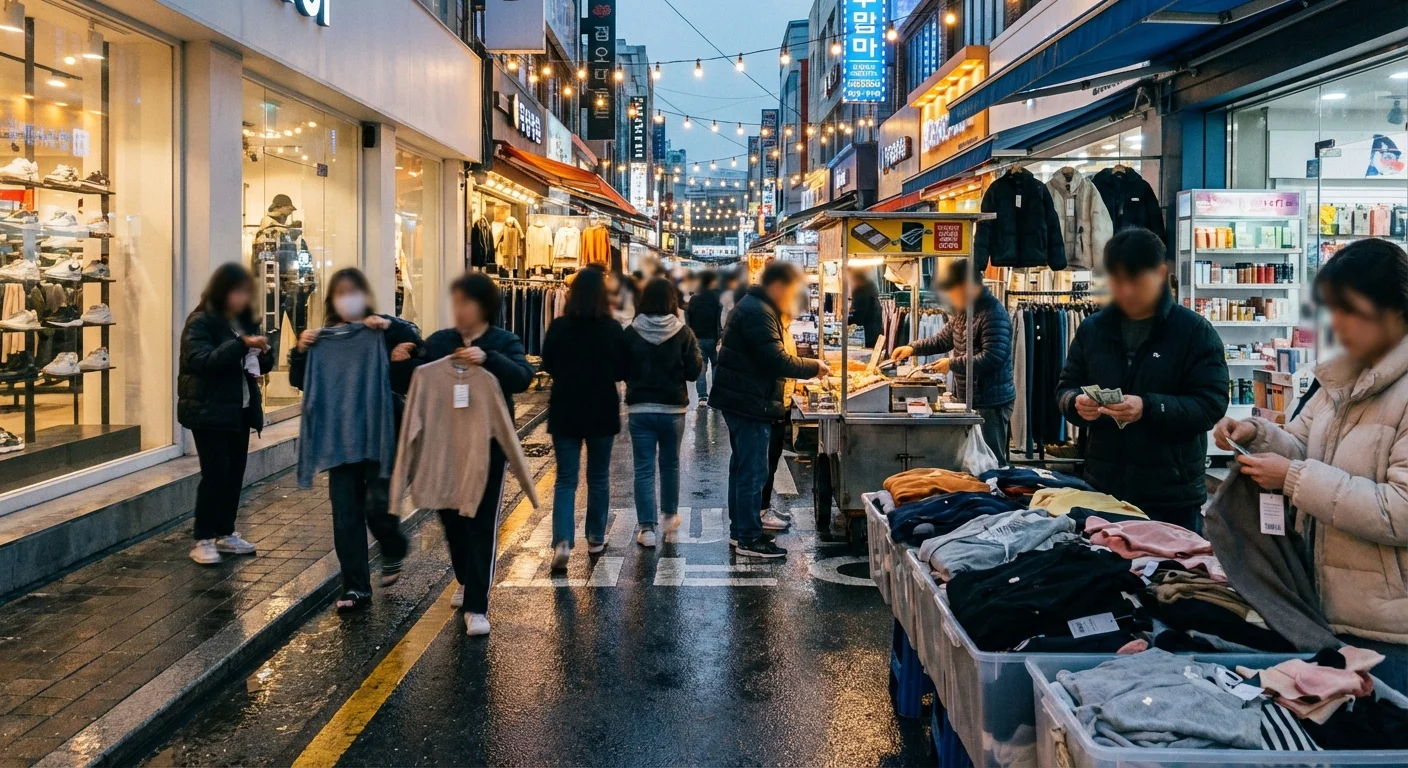
Nampo-dong is popular partly because you can shop at many budgets—from ultra-cheap accessories to higher-end vintage pieces. The key is to expect wide variation and plan your comparisons.
Vintage clothing & accessories (Gukje Market)
The research-based range is especially broad here: vintage items can run from ₩1,000 to “tens of thousands of won,” and up to hundreds of thousands of won depending on the item, condition, and uniqueness.
- Typical range (as of 2025/2026): anywhere from ₩1,000 at the very low end to much higher for premium pieces (condition/brand-driven).
- What affects price: fabric quality, visible wear, “rarity,” and whether the seller considers it a collectible piece.
Decision tip: If a vintage price feels high, don’t assume it’s wrong—but do compare. “Vintage” can mean anything from lightly used to genuinely collectible.
Underground mall fashion and small goods
Exact prices vary widely by shop and season, so treat this as a typical range situation and check current prices in-person.
- Typical range (as of 2025/2026): generally budget to mid-range for everyday clothing and accessories, often cheaper than street-level boutiques.
- What affects price: material thickness, finishing (stitching, zippers), and whether it’s a “new arrival” style.
Cheaper option: For simple accessories and casual pieces, the underground mall often wins on price—especially if you compare multiple stalls.
Gwangbok-ro street shopping
This area tends to feel more “retail,” and you may see clearer pricing and promotions.
- Typical range (as of 2025/2026): usually mid-range, but sales can bring items closer to underground-mall pricing.
- What affects price: branding, location (prime corners), and sale season.
Cheaper option: Not always the cheapest on normal days, but it can be competitive during seasonal promotions—so it’s worth checking store signs and comparing.
Budget planning (shopping-only, excluding food)
Because Nampo-dong is flexible, it helps to decide your shopping style first:
- Budget travelers (as of 2025/2026): plan roughly ₩20,000–₩70,000 for accessories, small souvenirs, and a few simple clothing pieces (typical range—check current prices).
- Mid-range shoppers: plan roughly ₩70,000–₩200,000 for multiple clothing items plus some nicer accessories.
- Vintage-focused shoppers: plan wide flexibility, since a single premium vintage piece can change the day’s total quickly.
Decision tip: If your goal is “more items for less money,” prioritize the underground mall + Gukje. If your goal is “specific style and convenience,” prioritize Gwangbok-ro + Wise Park.
Shopping Route: Half-Day Walking Course (Underground Mall → Gukje Market → Gwangbok-ro)
This route is designed to help you buy smarter, not just walk more. The idea is to start with the easiest price comparisons, then move into treasure-hunting, and finish with polished street shopping.
Stop 1: Underground Mall (first 60–90 minutes)
Why first: You’re fresh, it’s easy to compare, and you can quickly learn the “going rate” for basics.
What to do:
- Do one pass without buying much
- Note 2–3 shops you like (style + pricing)
- Buy smaller items first (accessories, light clothing)
What to avoid: Buying bulky items that will slow you down for the rest of the route.
Stop 2: Gukje Market (next 90–120 minutes)
Why second: Now that you’ve seen typical prices underground, you’ll recognize when a market “deal” is truly good.
What to do:
- Focus on vintage, unique finds, and local-feeling souvenirs
- Ask simple questions (size, material, condition)
- Inspect carefully (see the quality checklist below)
What to avoid: Paying “tourist-rush prices.” If something seems expensive, step away and compare at another stall.
Stop 3: Gwangbok-ro (final 60–90 minutes)
Why last: It’s a pleasant finish—easier browsing, more structured stores, and good for filling gaps (“I couldn’t find a clean basic jacket in the market”).
What to do:
- Look for trend items, cosmetics/beauty, and gifts that need clean packaging
- Check promotions and compare deals store-to-store
- Buy items you’d rather have receipts/exchanges for (when available)
What to avoid: Overspending at the end because you’re tired. If you’re decision-fatigued, get a drink break before you shop.
Optional reset: If you want air-con and a meal, slot Wise Park between Gukje and Gwangbok-ro.
Seasonal Shopping: Events, Sales & the Nampo Tree Festival
Nampo-dong is lively year-round, but timing matters if you care about crowd levels, store promotions, or the overall atmosphere.
Year-end atmosphere: Nampo Tree Festival (남포동 트리축제)
In the year-end season, Nampo-dong becomes extra festive thanks to the Nampo Tree Festival, which adds lights, photo spots, and a more “holiday shopping street” vibe.
Why it matters for shoppers:
- Great for photos and a memorable evening walk
- A more energetic mood that pairs well with gift shopping
What to watch out for:
- Heavier crowds, especially evenings and weekends
- Slower movement between areas (you’ll shop fewer stores per hour)
Decision tip: If you want the festival atmosphere, go in the late afternoon into evening. If you want efficient shopping, visit earlier in the day and return at night just to enjoy the lights.
Seasonal sales and promos (typical pattern—check current prices)
Many street shops on Gwangbok-ro and mall-style stores may run seasonal promotions (timing varies by year and brand).
How to use this:
- Compare deals rather than assuming one street is always cheaper
- If you’re flexible, delay buying trend items until you see which stores are running promotions
- Take photos of price tags (when allowed) so you can compare without relying on memory
Practical Tips: Quality Checks, Crowds, and Payment
This is where you can save the most money—and avoid the most regret.
Quality checks (especially for vintage and bargain clothing)
Before buying, quickly check:
- Seams and stitching: loose threads and uneven seams are red flags
- Zippers and buttons: test them on the spot
- Fabric condition: look for thinning, pilling, or shiny “wear spots”
- Stains and odor: especially important for vintage pieces
- Sizing reality: sizing can vary a lot by era and brand—try on if possible
Decision tip: If you’re buying vintage because it’s “cheap,” don’t let a low price trick you into buying something you won’t wear. A bargain you never use is still wasted money.
Crowds: when to go for the best experience
From the research summary, weekends and year-end periods can get crowded. For a calmer experience:
- Aim for weekday mornings when possible
- Use the underground mall during peak outdoor crowd times
- Split your visit: shop earlier, return for street atmosphere later
What to avoid: Trying to do everything on a Saturday evening in December. It’s fun, but it’s not efficient.
Payment: what’s easiest
Payment options vary by shop type.
- Markets: may be more cash-friendly, though many places also accept card. Bring a backup payment method.
- Street stores/malls: typically easier for card payments.
Decision tip: If you’re buying many small items, keep your wallet organized and track spending—Nampo-dong is exactly the kind of place where “just one more little thing” adds up fast.
Getting There + Parking and Public Transport Tips
Nampo-dong is best done by public transport, especially because parking can be limited.
Public transport (recommended)
The underground shopping mall is directly connected to the subway flow between Jagalchi Station and Nampo Station, making it easy to start your route underground and emerge near the markets and streets above.
Decision tip: If you want to avoid weather issues and minimize walking fatigue, start underground, then surface when you’re ready to commit to browsing.
Parking (useful but not ideal)
From the research summary, parking space is limited in Nampo-dong. If you drive:
- Consider using nearby public parking options and taking advantage of any free-time windows (where available)
- Expect that you may spend time searching or walking from parking to the shopping streets
What to avoid: Circling the core shopping area during peak hours—it can waste time and energy you’d rather spend shopping.
Decision tip: If you’re carrying a lot of purchases, one strategy is to shop by subway/taxi, then use delivery options offered by some stores (when available) or plan one “final pickup” moment near the end of the day.
Nampo-dong rewards shoppers who compare, slow down for quality checks, and plan their route—so take your time, check current prices as you browse, and enjoy one of Busan’s most character-filled shopping neighborhoods from underground bargains to glowing festival streets.
FAQ
Q: Where to buy affordable clothes in Nampo-dong?
Try Nampo-dong Underground Shopping Center for everyday clothing and accessories, then compare prices at Gukje Market stalls for bargains and unique pieces.
Q: What are typical price ranges for vintage clothing at Gukje Market?
Prices vary widely by condition and rarity—small items can start very cheap, while curated vintage or branded pieces can cost much more. Always check condition and negotiate politely.
Q: Which area is best for trendy fashion and cosmetics near Nampo-dong?
Gwangbok-ro Fashion Street is best for trend-focused shopping, with many brand stores and beauty options nearby.
Q: Is Nampo-dong good for souvenirs and gifts? Where should I shop?
Yes—Gukje Market is great for inexpensive souvenirs and miscellaneous goods, while shopping malls like WISEPARK are convenient for more standardized items.
Q: Can I bargain in Nampo-dong markets, and how?
Bargaining is more common in traditional markets like Gukje Market than in malls. Ask kindly, bundle items, and be ready to walk away if the price doesn’t work.
What you can do next
Pick just one action from this guide and do it today—small steps add up.