Gyeongju History Travel Guide 2025: Itinerary, Tips & Things to Know
Quick Info
- 📍 Area: Gyeongju, Gyeongsangbuk-do (South Korea)
- 🕒 Best time: Spring (Mar–Apr) and autumn (Oct–Nov) for mild weather; summer for night views; winter for quieter visits
- 💰 Budget: Mid-range: ~₩80,000–₩180,000/day per person (food + local transport + admission); guided day tours often ~₩150,000+ depending on language/inclusions
- 🚇 Getting there: Walk/bike in central areas; city buses/taxis for spread-out sites; arrive via KTX to Singyeongju Station + local bus
- 👥 Best for: First-time Korea visitors, families seeking living history education, photographers (night scenery), slow travelers
- ✅ TL;DR: Plan around a few core UNESCO sites per day, use evenings for Donggung & Wolji, and match your route to the season to avoid fatigue and crowds.
Before you dive in
If any part of this guide feels useful, take 10 seconds to bookmark it.
Gyeongju (경주) isn’t just a “nice day trip” from Busan or Daegu—it’s one of the most immersive history destinations in Korea. Often called a “museum without walls,” the city was the capital of Silla (신라) for nearly a thousand years, and the density of tombs, palace sites, observatories, temples, and Buddhist art is hard to match anywhere else in the country.
If you’re visiting Korea in 2025 and you want a trip that feels both scenic and meaningful—where you can walk through real historical spaces rather than only reading about them—Gyeongju is the place to do it. This guide is designed to help you make decisions: which areas to prioritize, whether a tour is worth it, how to structure a 1-day vs 2-day plan, and what mistakes to avoid so your trip feels enriching instead of rushed.
Complete Guide to 경주에서의 역사 여행 가이드
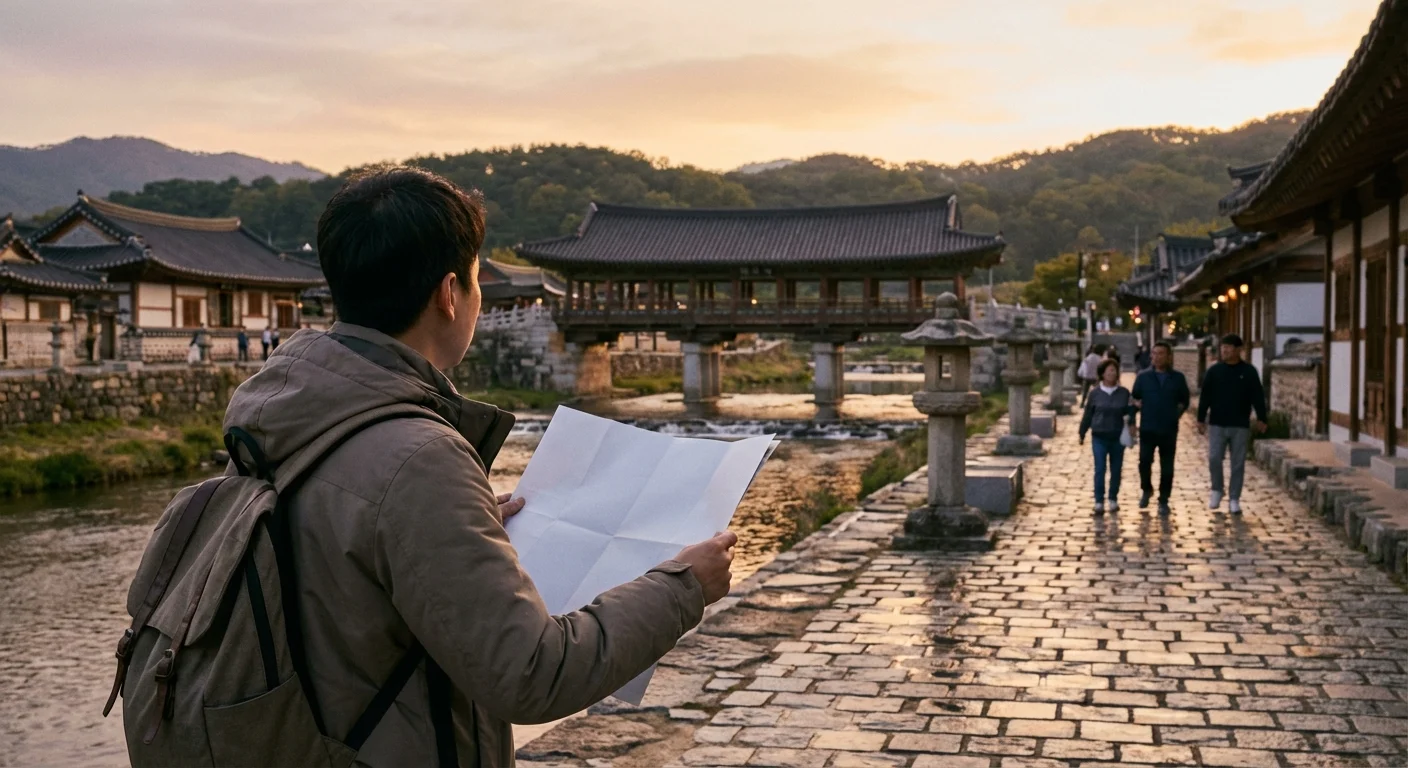
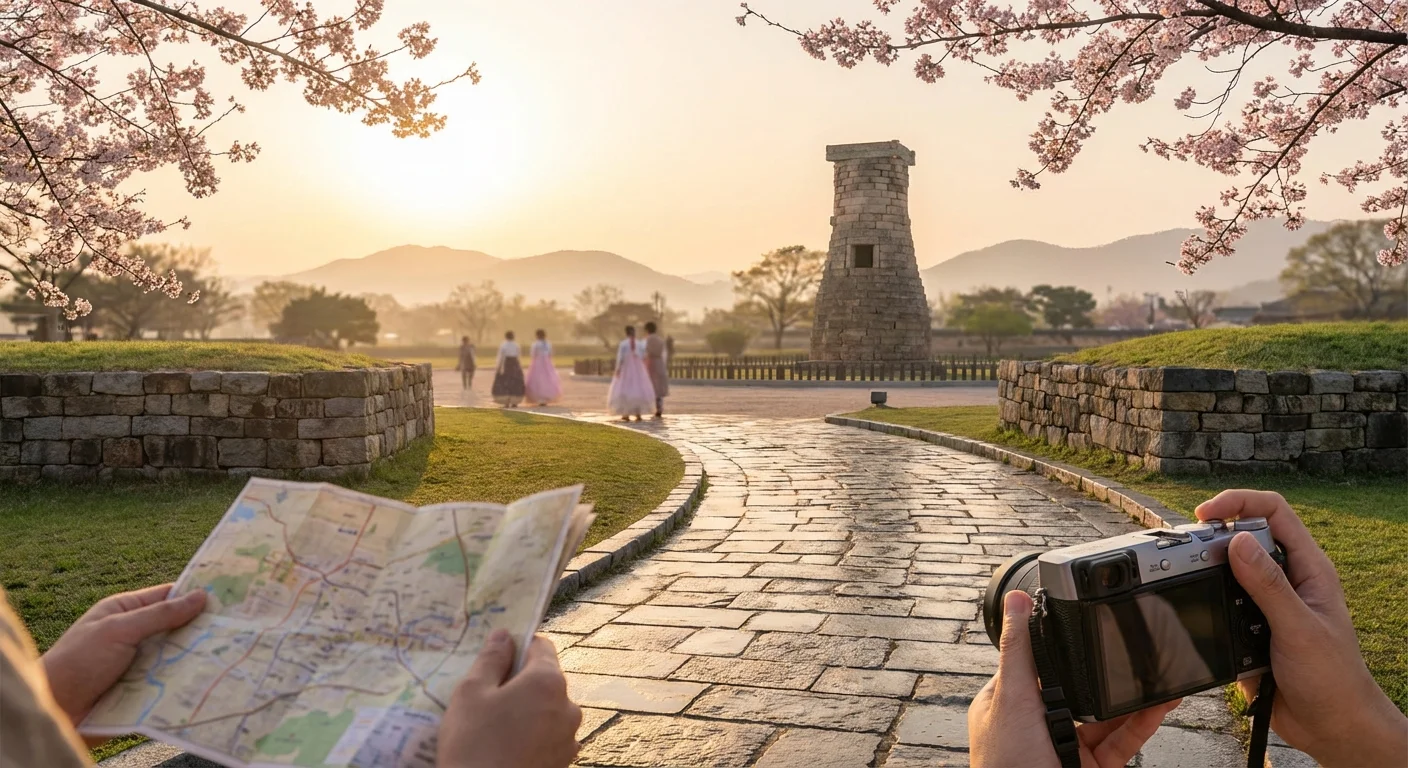
A “history trip” in Gyeongju works differently than in many cities because the key sites aren’t confined to one museum complex—they’re spread through the city center and surrounding hills. That’s why planning matters: you’ll have a better experience if you group attractions by area and time of day rather than trying to hit everything.
What makes Gyeongju especially popular for history travel
- Silla legacy in one place: Many of Korea’s most iconic ancient-era landmarks are concentrated here.
- UNESCO significance: Several major sites are recognized as World Heritage, which makes Gyeongju a top choice for travelers who want “must-see” cultural landmarks rather than trend-driven stops.
- Great for families and first-time Korea visitors: Families often choose Gyeongju because it’s an outdoor “living classroom”—kids can physically see tombs, stone pagodas, and ancient architecture rather than imagining it from a textbook.
- The city is walkable in the core: The central historical zone is compact enough that you can do a lot on foot, especially if you plan your timing.
Tour vs. independent travel: which is better?
Independent travel is usually cheaper and more flexible—ideal if you’re comfortable navigating buses/taxis and you want to linger for photos.
Guided tours can add a lot of value if you want context (Silla politics, Buddhist art symbolism, the “why” behind the ruins). They can also reduce decision fatigue when you only have one day.
From the research summary, there are examples of paid options:
- A guided one-day tour (e.g., Chinese-language) is described as starting around TWD 3,715, roughly ₩150,000 (supported by the summary). Since tour pricing changes frequently by season and inclusion, treat this as a starting reference and check current prices.
- Multi-day packages (e.g., Spanish-language 4+ nights) can be around ₩1,785,000 per person (supported by the summary). These typically bundle accommodation, meals, and transport, which may be convenient but not always the cheapest.
Decision tip: If you’re cost-sensitive, compare the “per-day cost” of multi-day packages with booking lodging and local transport independently. If you value convenience and language support, packages may be worth it—just make sure you understand exactly what’s included (meals, entrance fees, night tours, hotel grade) and compare deals before committing.
Best Historical Sites in Gyeongju (UNESCO Highlights)
If you’re short on time, prioritize sites that represent different sides of Silla: royal power, science, burial culture, and Buddhism. Below are the “core set” that most travelers find most rewarding—especially if it’s your first visit.
Bulguksa (불국사) and Seokguram (석굴암)
These are the headline destinations for Silla Buddhist art and architecture. They’re often paired because they sit in the same general area outside the city center.
- Why go: Bulguksa is iconic for stone pagodas and temple architecture; Seokguram is famous for its serene stone Buddha and spiritual atmosphere.
- Best for: Travelers who want Korea’s classic UNESCO temple experience; photographers (especially in spring and fall).
- How to visit smartly: Go earlier in the day if you want calm pathways and softer light. If you’re visiting on a weekend or holiday, a morning start helps you avoid peak crowd flow.
Tour vs DIY decision:
- If you’re staying in the city center and don’t want to think about transfers, a guided day tour can simplify logistics.
- If you prefer to move at your own pace, DIY is often cheaper—just plan your transit timing so you don’t lose hours waiting between connections.
Cheomseongdae (첨성대)
Often called one of the oldest surviving astronomical observatories in East Asia, Cheomseongdae is a quick but memorable stop.
- Why go: It’s a signature Gyeongju photo spot and an easy way to connect with Silla-era science and symbolism.
- How long to plan: Short visit, but combine it with nearby areas so it doesn’t feel like a “drive-by.”
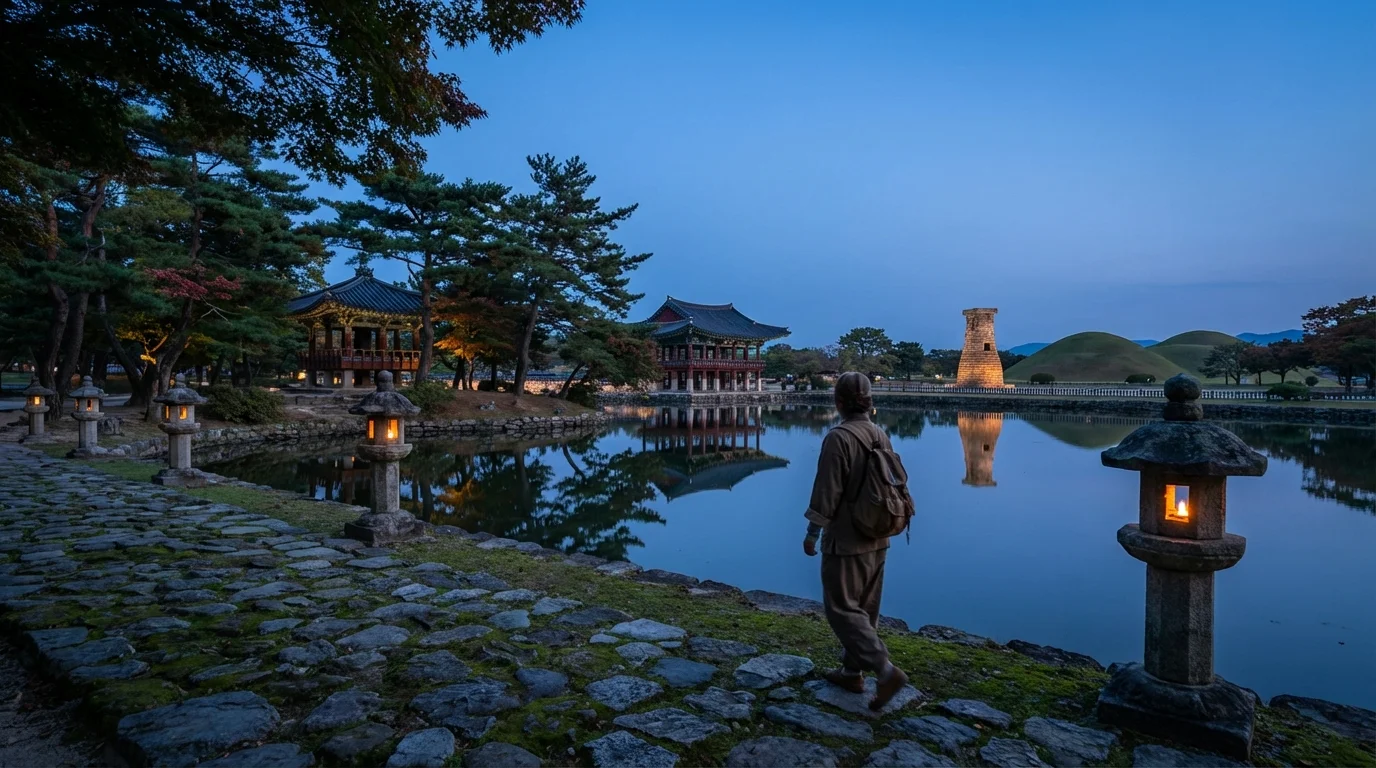
Donggung Palace & Wolji Pond (동궁과 월지, often known as Anapji)
This is one of the most satisfying evening stops in Gyeongju—especially if you want a “history meets lifestyle” vibe.
- Why go: The reflections and lighting create a cinematic night scene; it’s one of the best places to feel how a palace complex might have felt, even if much is reconstructed/restored.
- Best time: Evening is the main event. If you’re deciding where to spend your limited nighttime hours, this is usually the top pick.
Daereungwon Tomb Complex (대릉원) and Cheonmachong (천마총)
This area helps you understand Silla burial culture—massive grass-covered tomb mounds that look deceptively simple from the outside.
- Why go: Tomb architecture and royal history are central to Gyeongju’s identity. It’s also a great slow-walk area when you want a break from “temple stairs and sightseeing intensity.”
- Winter advantage: The research summary notes winter can be quieter—this is one of the best places for a peaceful walk when the air is crisp and the crowds thin.
Decision tip: If you can only pick one “royal history” area, choose the tomb complex + nearby central sites, then add Bulguksa/Seokguram if you have the time and energy for the extra transit.
Suggested 1-Day and 2-Day Itinerary (City Center + Bulguksa/Seokguram)
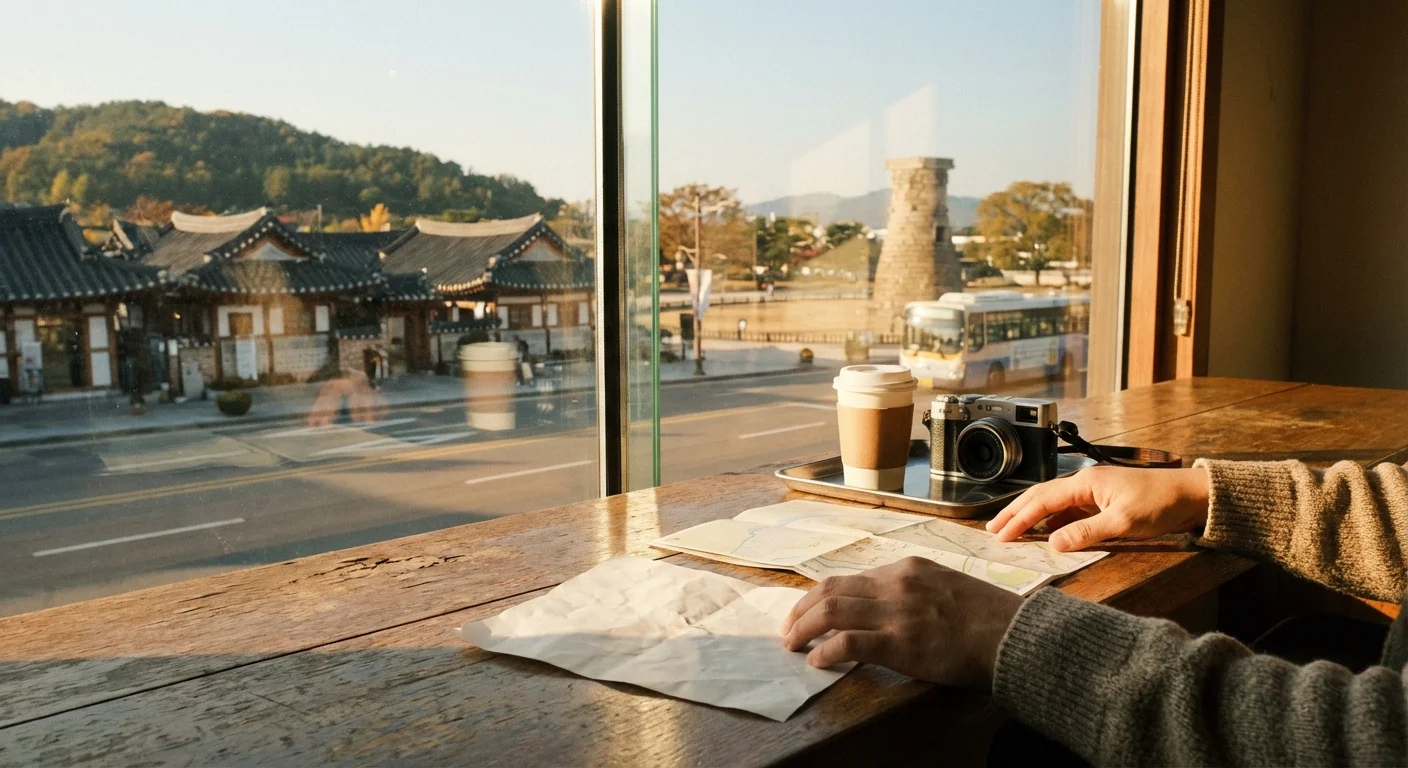
Gyeongju is deceptively time-consuming because it’s easy to underestimate transit and walking time—especially if you’re stopping often for photos. These itineraries are designed for realistic pacing and better “story flow.”
1-Day Itinerary: Essentials with a strong night finish
Best for: Day-trippers, first-timers, travelers based in Busan/Daegu who want maximum impact.
Morning (City Center – tombs + key landmarks)
- Start at Daereungwon + Cheonmachong for a grounded introduction to Silla royalty and burial culture.
- Walk (or short transfer) toward Cheomseongdae and nearby historical zones.
Lunch
- Eat near the central area so you don’t burn time traveling just to find food. If you have a food list, keep it flexible—Gyeongju is about walking and timing.
Afternoon (Choose one path based on your energy)
- Option A: Temple-focused afternoon
Head toward Bulguksa + Seokguram. This is the classic “UNESCO double” but can feel rushed if you leave too late. - Option B: City-depth afternoon
Stay central and explore more slowly—ideal if you want more photos, café breaks, and a less transit-heavy day.
Evening (Non-negotiable highlight)
- End at Donggung Palace & Wolji Pond for the night views. If there’s a seasonal night opening period (see below), this becomes even more worthwhile.
Cost decision tip: If you only have one day and you want to include both the city center and Bulguksa/Seokguram without stress, compare the cost of a guided day tour (the research summary indicates starting around ₩150,000 for certain guided options) versus DIY transport. For some travelers, paying more is worth it to avoid logistical friction—especially during peak crowd periods. Always check current prices and inclusions as of 2025.
2-Day Itinerary: The most balanced way to experience Gyeongju
Best for: Travelers who want history + lifestyle pacing, families, and anyone who dislikes rushing.
Day 1: City Center immersion + night scenery
- Morning: Daereungwon/Cheonmachong
- Midday: Cheomseongdae and surrounding historical streets/parks
- Afternoon: Add one “slow history” stop (extra tomb area, museum time if you enjoy context, or a café break with views)
- Evening: Donggung Palace & Wolji Pond for night atmosphere
Day 2: Bulguksa + Seokguram without pressure
- Morning: Depart earlier to avoid peak crowds.
- Late morning to afternoon: Bulguksa, then Seokguram
- Late afternoon: Return to town; keep the evening flexible (shopping, local food, or a second night photo session if you love Wolji)
Which option is cheaper?
- Typically, 2 days DIY can be cheaper than a multi-day package tour, because you control lodging and meals.
- A multi-day package (the research summary cites around ₩1,785,000 per person for 4+ nights in one example) can be convenient but may include services you don’t personally value (fixed meals, structured schedules). Consider it if you want language support and a fully managed experience—then compare deals and confirm what’s included.
Seasonal Tips: Cherry Blossoms, Foliage, Night Openings, and Quiet Winter Walks
Gyeongju’s historical sites look dramatically different by season. Picking the right season isn’t just about weather—it changes the crowd level, the best photo timing, and how comfortable it is to walk between sites.
Spring: Cherry blossoms and peak “romantic Gyeongju”
- Why it’s great: Blossoms elevate the already scenic tomb mounds and palace areas into something almost unreal.
- Trade-off: Crowds increase. Weekends can be especially busy, so book accommodation early and plan earlier starts.
- Photo tip: Morning light is often more flattering, and you’ll have fewer people in your frames.
Autumn: Foliage + the best walking weather
- Why it’s great: Crisp air and color make long walks between sites genuinely enjoyable.
- Planning tip: This is another peak season—if you want a more relaxed visit, consider weekdays or shoulder-season dates.
Summer: Hot, humid days—but excellent nights
The research summary highlights that night openings can make summer travel more comfortable and more beautiful, especially around Donggung Palace & Wolji Pond.
- How to plan: In summer, shift your schedule later—do indoor/café breaks midday and prioritize outdoor heritage sites in the late afternoon and evening.
- What to pack: Heat and humidity can be intense, so plan lightweight clothing, hydration, and sun protection.
Winter: Quiet, reflective, and underrated
The research summary notes winter can be ideal for a more peaceful experience at places like Daereungwon.
- Why go: Fewer crowds, calmer paths, and a more contemplative atmosphere that matches the historic landscape.
- Trade-off: It can be cold; you’ll want warm layers and a plan for shorter daylight hours.
Decision tip: If your main goal is photography and ambiance, spring and fall win. If your goal is space, quiet, and unhurried learning, winter is surprisingly strong. If you’re visiting in summer, plan around night openings and cooler hours.
Tips for First-Time Visitors (Pacing, Crowds, and Photo Timing)
Gyeongju rewards slow travel. Most “bad” Gyeongju days happen when travelers treat it like a checklist.
Pace your day like a story, not a sprint
Instead of trying to see everything, choose:
- 1–2 major anchors (e.g., Bulguksa/Seokguram OR a deep city-center day)
- 2–3 supporting stops (tombs, observatory, palace pond at night)
This keeps you from hitting the classic wall: tired legs by afternoon and no energy left for the night views (which are often the best part).
Crowd strategy: avoid weekend bottlenecks
The research summary warns about traffic and congestion on weekends/holidays. To reduce stress:
- Start earlier on weekends.
- If possible, schedule Bulguksa/Seokguram on a weekday.
- Consider walking in the central zone rather than relying on short taxi hops that get stuck in traffic.
Photo timing that actually improves your experience
- Cheomseongdae and tomb fields: Morning or late afternoon for softer light.
- Donggung Palace & Wolji Pond: Evening/night is the signature look; plan your dinner around it.
- Bulguksa/Seokguram: Earlier is often calmer; if it’s crowded, you’ll enjoy it more when you’re not shoulder-to-shoulder.
When a guided tour is worth it
A paid tour can be a good value if:
- You have only one day and want to cover both the city center and temple area without logistics stress.
- You want historical interpretation rather than just “pretty scenery.”
- You need language support.
Use the research summary’s day-tour reference point (starting around ₩150,000 for certain guided options) as a benchmark, then check current prices and read what’s included.
What to Know Before You Go: Transport, Tickets, and Local Etiquette
Transport: plan by zones
Gyeongju travel becomes easier when you think in two zones:
- City center heritage zone: Many landmarks are relatively close and can be connected by walking plus short local transfers.
- Bulguksa/Seokguram zone: Usually requires more deliberate transit planning; it’s best done as a dedicated half-day to full-day segment.
Cheaper vs easier:
- Walking + public transit is typically cheaper, but may take more time.
- Taxis can be faster for short distances but add up.
- A day tour can reduce friction if you’re tight on time—compare the total cost against the convenience benefit.
Tickets and operating hours: verify before you go
Because hours and night openings can vary by season (and special events), treat this as a rule:
- Check current prices and hours close to your travel date (as of 2025/2026), especially for night viewing at Donggung Palace & Wolji Pond and for temple-area sites.
For budgeting, it’s safest to plan using ranges rather than exact numbers, because entrance fees and combined tickets can change.
Local etiquette: small behaviors that matter
- At temples: Dress respectfully (shoulders covered is a safe default) and keep voices low. Some areas may be designated for quiet reflection.
- Photography: Be mindful in sacred spaces; avoid disruptive poses or blocking pathways.
- On heritage grounds: Stay on paths and respect barriers—many sites are protected and easily damaged.
Decision tip: If you’re traveling with kids, set expectations early: Gyeongju is outdoors and walk-heavy, but it’s also one of the best places in Korea for “learning by seeing.”
Common Mistakes to Avoid (Overplanning, Traffic, Weather)
Mistake 1: Overplanning and trying to “collect” landmarks
The research summary specifically warns about overly packed schedules. Gyeongju looks compact on a map, but you’ll spend real time walking through parks, reading signs, taking photos, and waiting for transit.
What to do instead:
- Choose a theme for the day (royal tombs + palace nightscape, or Buddhism + temple art).
- Build in at least one long break so the day doesn’t feel like an endurance test.
Mistake 2: Ignoring weekend and holiday traffic
Congestion can turn a short transfer into a stressful delay.
Avoid it by:
- Starting early and finishing the “farther” sites before midday.
- Using walking routes in the center when possible.
- If your schedule is fixed (weekend only), consider whether a guided tour reduces your friction enough to justify the cost—then compare deals and inclusions carefully.
Mistake 3: Underestimating seasonal weather
The research summary highlights that summer can be hot and humid and winter can be cold.
Practical fixes:
- Summer: Plan for night sightseeing, bring water, and schedule indoor breaks midday.
- Winter: Dress in warm layers and plan earlier starts to use daylight efficiently.
- Spring/Fall: Still bring a light layer—temperatures can swing during the day, especially in the evenings.
Mistake 4: Forgetting that the night view is part of the experience
Many travelers accidentally “use up” their energy by mid-afternoon and miss the evening atmosphere at Donggung Palace & Wolji Pond.
Fix: Treat the night stop as a main event. Eat earlier, rest midday, and time your route so you arrive with energy.
Gyeongju is one of those rare destinations where history isn’t confined behind glass—it’s under your feet, across the skyline, and reflected in the water at night, and with a little planning you’ll feel that magic from the first site to the last.
FAQ
Q: How many days do I need for a Gyeongju history trip?
1 day covers the city-center highlights (Cheomseongdae, Daereungwon, Donggung & Wolji). 2 days lets you add Bulguksa and Seokguram without rushing. 3 days is ideal for a slower pace plus museums and smaller sites.
Q: What’s the best order to visit the main historical sites?
Do city-center sites by day (Daereungwon → Cheomseongdae → nearby streets/museums), then visit Donggung & Wolji at night for the best atmosphere. Schedule Bulguksa/Seokguram on a separate half or full day to reduce transit time.
Q: What are the top practical tips for first-time visitors?
Keep daily targets to 2–4 major stops, wear comfortable shoes (lots of walking), plan an evening slot for night scenery, and check weekend/holiday crowd levels to avoid traffic delays.
Q: Is Gyeongju easy to get around without a car?
Yes. The central heritage zone is walkable, and buses/taxis connect to Bulguksa and other spread-out sites. Weekends can be congested, so start early and consider public transit over driving.
Q: What should I pack by season?
Summer: breathable clothing, sun protection, water, and bug spray. Winter: warm layers and gloves for outdoor sites. Spring/fall: light jacket and comfortable walking shoes for long museum-and-ruins days.
What you can do next
Pick just one action from this guide and do it today—small steps add up.