
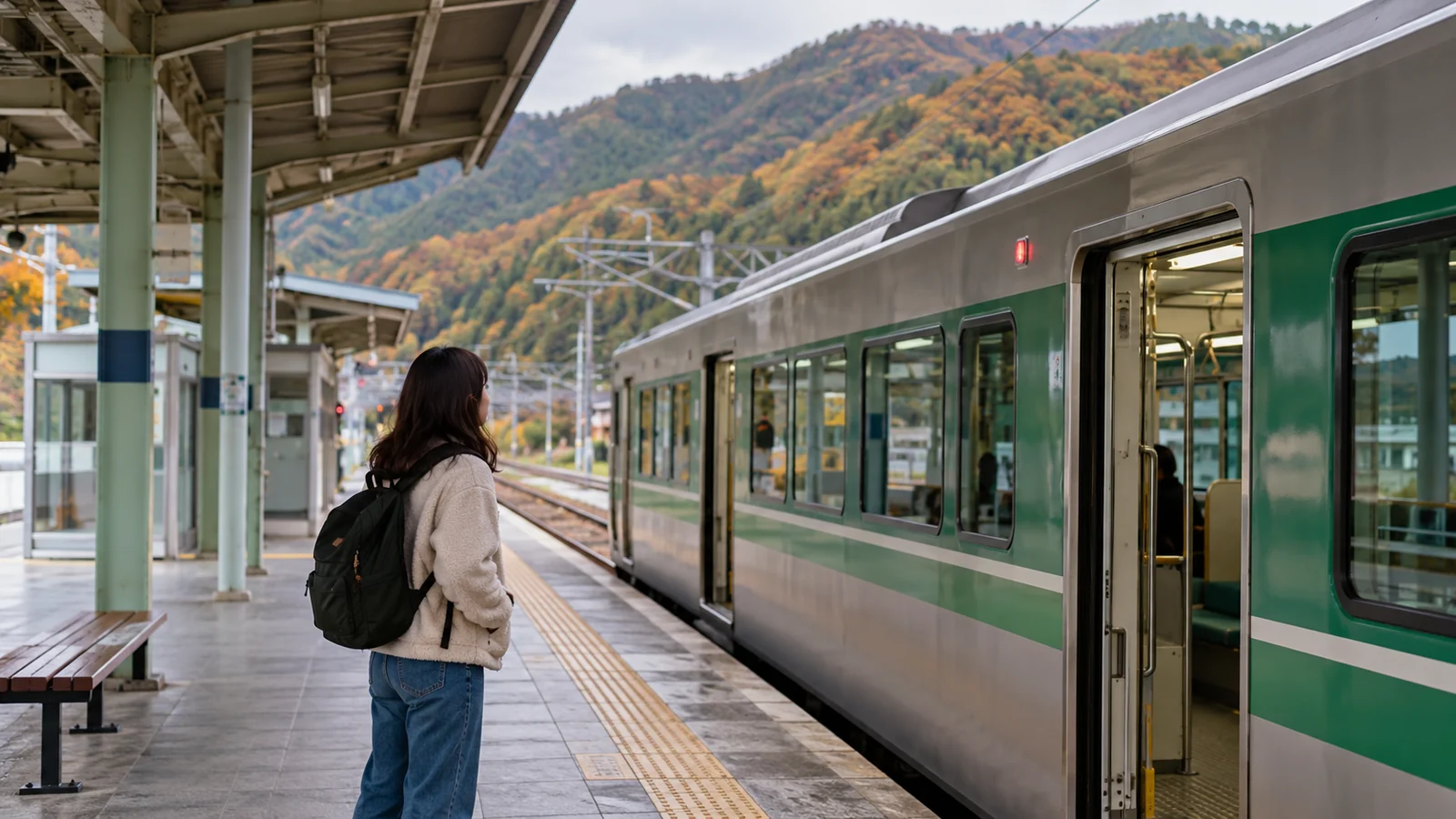
Buy a separate ITX-Cheongchun ticket before boarding for Gapyeong. Tapping your T-money card into the subway does not purchase that ticket. If you want a journey paid through your transit card, choose the Gyeongchun Line subway service instead. Both can get you to Gapyeong for Nami Island, but they have different ticket and boarding procedures.
This guide checks the official sources on October 23, 2026. Start with the train name in your route planner, then check the departure station. Seeing “Gapyeong” on a map is not enough to identify which service you are taking.
Which train should you choose?
| Your priority | Start by comparing | What to prepare |
|---|---|---|
| Travel without booking a particular seat | Gyeongchun Line subway, commonly reached at Sangbong | T-money balance and the correct train direction |
| Reserve a seat for a particular departure | ITX-Cheongchun from Yongsan or Cheongnyangni | A separate ticket for the date, stations and train you will board |
| Leave Nami Island whenever you finish | Subway return, checked against that day’s timetable | Time to get back to Gapyeong Station; no reserved seat |
| Keep a fixed return appointment in Seoul | A suitable ITX return departure | A booked return ticket and enough time for the ferry and station transfer |
Nami Island’s official return-travel FAQ distinguishes the subway’s unreserved seating from ITX’s reserved-seat option. A seat is only yours when your issued ticket actually assigns one. If the departure you want is unavailable, compare another train or the subway before committing to an attraction time.
T-money is a reloadable local transport card; the Korea Tourism Organization’s card guide explains its use. If your card is a WOWPASS, check the separate shopping and T-money balances before topping up the wrong one.
Buy the ITX ticket for the right station
Use KORAIL’s official English booking site. Search Yongsan → Gapyeong or Cheongnyangni → Gapyeong, according to the station you can reach comfortably. Check the service says ITX-Cheongchun, then review the date, departure time, passenger details, seat and fare before payment.
KORAIL’s current ticketing guide lists its website, KORAIL+ app, ticket machines and railway station counters as purchase channels. Its ITX-specific FAQ clarifies that ordinary subway stations which do not sell passenger-train tickets cannot issue ITX tickets. Look for the ITX machine or railway ticket counter rather than assuming any subway machine will sell one.
Check your return separately: Gapyeong → your intended Seoul arrival station. A return ticket ending at Cheongnyangni leaves you with a different onward journey from one ending at Yongsan.
Transferring from the subway to ITX
There are two things to handle: finish the subway fare transaction and have a valid ITX ticket.
- Already inside the subway system? Follow signs for the ITX transfer and use the designated transit-card exit/transfer reader to close your subway journey before boarding ITX. If you have already tapped out through a normal subway exit, that subway journey is finished; do not tap in again just because you see a card reader.
- Starting from outside the paid area? Have your ITX ticket ready and follow the ITX entrance signs. Where there is a QR gate, scan the ticket’s QR code at the QR reader. A T-money reader and an ITX QR reader serve different purposes.
- Check the train before boarding. Match the service, train number and departure time to your ticket. Go to your assigned car and seat if you have a reserved-seat ticket.
- At Gapyeong, follow the ITX exit signs. If you are uncertain which reader applies, show both the ticket and your transit card to station staff before tapping again.
The government’s May 2017 transfer explanation describes the subway-exit reader used before an ITX transfer. KORAIL’s February 2023 QR-gate notice explains the separate ticket-QR reader. These sources establish the procedure, not a guaranteed reader position at every station today. Follow current signs and staff directions rather than searching for a platform number from an old photo.
Useful phrase to show staff: “ITX로 갈아타는데, 교통카드 하차 처리는 어디서 하나요?” — “I’m transferring to ITX. Where do I tap out my transit card?”
On the return, entering the subway after ITX begins a subway journey that needs its own transit-card entry. If you take the subway all the way back instead, follow the normal subway tap-in and tap-out procedure.
Compare the whole journey, not just the train minutes
Nami Island’s official access page publishes these approximate station-to-station times:
| Rail leg to Gapyeong | Published approximate ride |
|---|---|
| Gyeongchun Line from Sangbong | 50 minutes |
| ITX-Cheongchun from Cheongnyangni | 42 minutes |
| ITX-Cheongchun from Yongsan | 60 minutes |
These are planning estimates, not a departure timetable. “42 versus 50 minutes” does not mean ITX saves eight minutes from your hotel: the two figures begin at different stations. Likewise, the Yongsan figure includes a longer starting route. Compare journeys from the same hotel departure time.
For each option, add:
- Hotel → departure station, including walking and transfers.
- Waiting time and enough time to find the correct entrance.
- The actual train journey shown for your travel date.
- Gapyeong Station → Nami Island’s wharf, then the island crossing and any queue.
Example of the method, not a live itinerary: a 42-minute train with 25 minutes to reach it and 20 minutes waiting totals 87 minutes to Gapyeong. A 50-minute subway leg with 15 minutes to reach it and 5 minutes waiting totals 70 minutes. The shorter rail ride would arrive 17 minutes later in this hypothetical comparison. Replace every input with your own route and departure time.
For cost, compare the subway journey’s total fare with the subway-to-station fare plus the ITX ticket. Add the wharf transfer and island entry to both budgets. The ITX ticket gets you to Gapyeong Station; your day-trip budget still needs those later parts. Our Nami Island ferry, zip-wire and day-trip comparison covers the island-entry choice.
If you are combining Gapyeong with longer rail journeys, use the KORAIL Pass cost worksheet and check each service’s eligibility separately. A local transit-card balance and a rail-pass purchase are different budget items.