Top 3 Jeju Island Driving Routes: Complete Guide & Tips (2025)
Quick Info
- 📍 Area: Jeju Island (Seogwipo, Aewol, Hallasan area)
- 🕒 Best time: Spring (Mar–May) & Autumn (Sep–Nov) for clear views and comfortable temps
- 💰 Budget: Driving routes: free; rental car ~50,000–100,000 KRW/day; guided tour ~100,000–200,000 KRW/person
- 🚇 Getting there: Rental car recommended; tours optional if you don’t drive
- 👥 Best for: Scenery lovers, couples, cafe-hoppers, photographers, first-time Jeju visitors
- ✅ TL;DR: Drive Seogwipo coast for cliffs and capes, Aewol coast for sea-view cafes, and 1100 Highland Road for Hallasan panoramas—plan extra time and refuel in towns.
Before you dive in
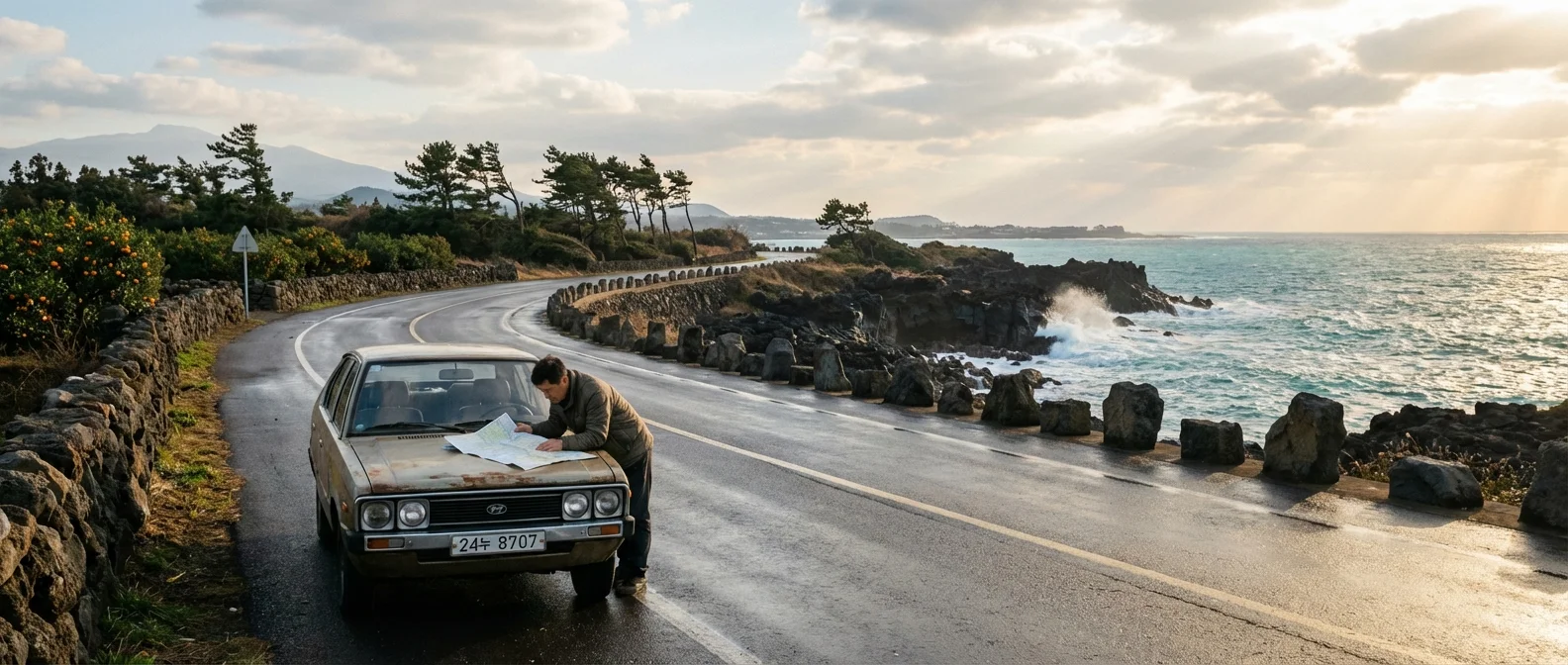
If any part of this guide feels useful, take 10 seconds to bookmark it.
Jeju is one of those rare places where “the drive” is genuinely part of the destination. The island’s coastal roads wrap around lava cliffs and calm beaches, while inland highways climb toward Hallasan’s highlands with wide-open views that feel miles away from the city. If you’re planning a Jeju trip in 2025 and debating whether renting a car is worth it, these three routes are the clearest “yes” answer—each with a different mood: dramatic southern coastline, café-lined northwest shores, and a scenic mountain crossing through Jeju’s interior.
This guide focuses on decision-making: which route fits your travel style, how to structure your day, what typically costs the least, where you’d book rentals or tours, and the most common mistakes that can turn a dreamy drive into a stressful one.
Complete Guide to 제주도 최고의 드라이브 코스
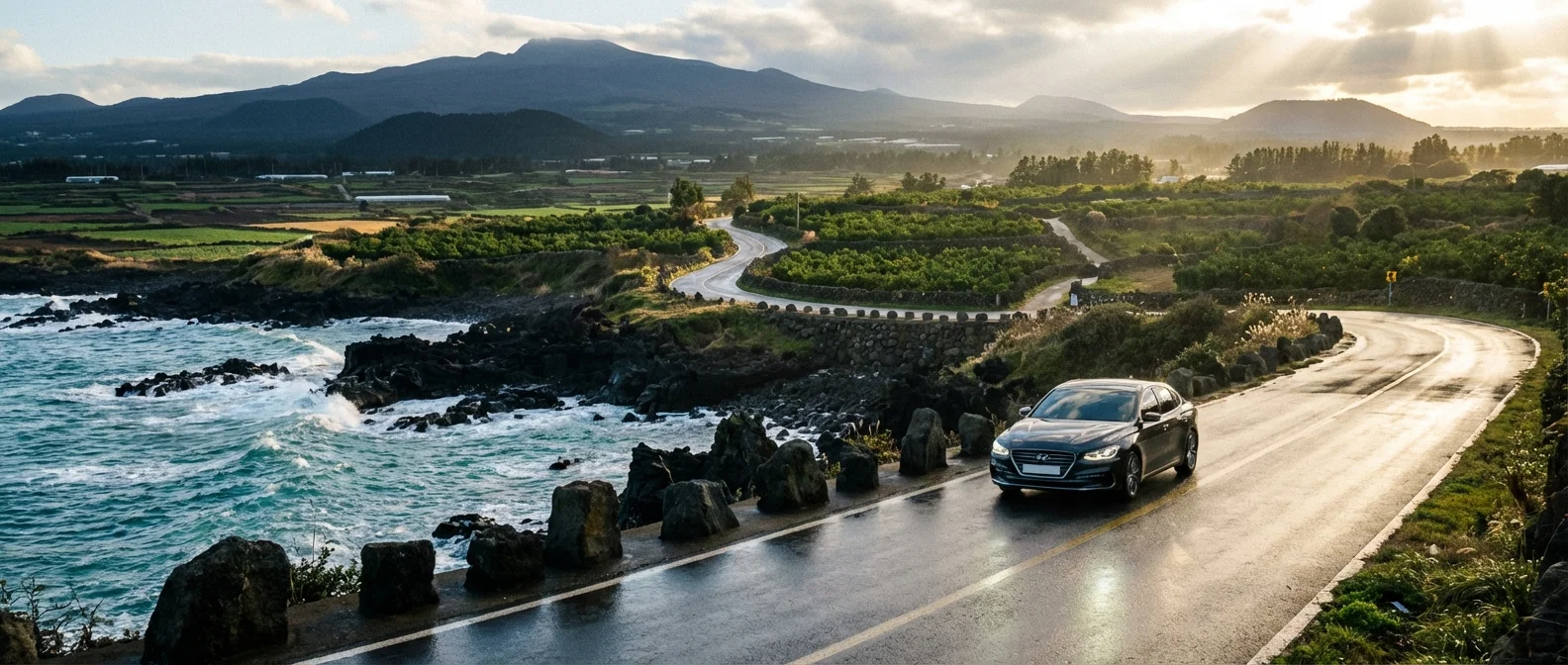
Jeju’s “best driving routes” (제주도 최고의 드라이브 코스) usually fall into two categories:
- Coastal drives for ocean views, photo stops, beaches, cafes, and relaxed pacing
- Mountain/inland drives for Hallasan scenery, forested curves, and panoramic overlooks
Do you need a car, or can you do this by tour?
You have three practical options:
-
Drive your own (rental car)
- Best for: flexibility, sunrise/sunset timing, spontaneous cafe stops, photography
- Typical cost: ₩50,000–₩100,000 per day for a rental car (as of 2025/2026; typical range—check current prices)
- Extra costs: fuel, parking (varies by attraction), and your time/energy as the driver
-
Guided driving tour (someone else handles routing, timing, and often logistics)
- Best for: no-stress sightseeing, visitors who don’t want to drive, shorter trips
- Typical cost: ₩100,000–₩200,000 per person (as of 2025/2026; typical range—check current prices)
- Sometimes includes add-ons like meals or entrance fees (varies—confirm what’s included before booking)
-
Hybrid approach (rent a car for 1 day, tour for 1 day)
- Best for: travelers who want one “free exploration day” and one “hands-off day”
Which is cheaper?
- If you’re traveling as a group, a rental car often wins on pure cost-per-person (because the car cost is shared).
- If you’re traveling solo, a guided tour can be competitive, especially if it bundles multiple stops and reduces planning friction.
Either way: compare deals and check current prices because seasonal peaks can shift what feels “cheapest.”
What these routes are best for (quick picker)
- Seogwipo Coastal Road (Seopjikoji → Jungmun): iconic coastline + landmark stops
- Aewol Coastal Road: cafe-hopping + sea views + sunset vibe
- 1100 Highland Road: Hallasan highland scenery + interior crossing + mountain air
Seogwipo Coastal Road (Seopjikoji → Jungmun): Highlights & Must-Stop Spots
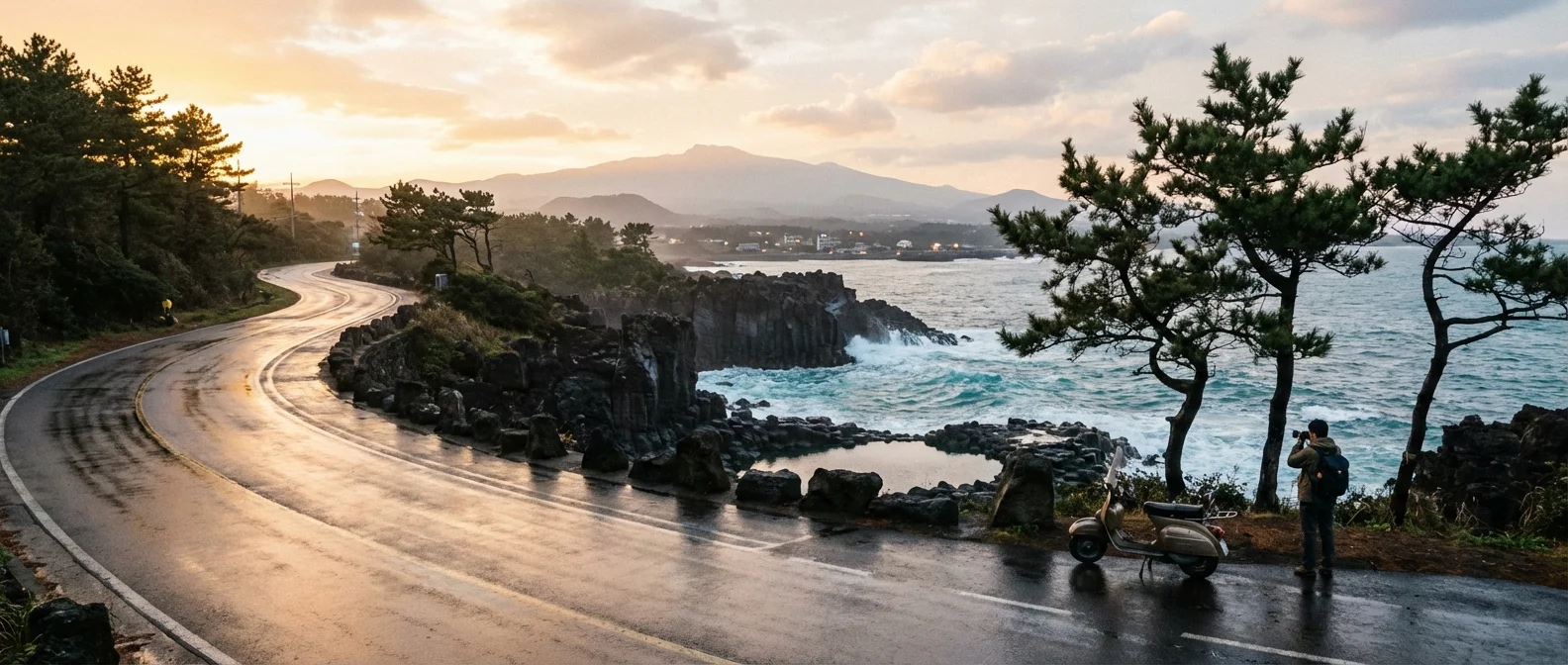
If you want the “Jeju postcard” drive—where the ocean keeps appearing between curves and cliffs—this southern route is the one. It’s also great for first-timers because the landmarks are memorable and the scenery changes frequently, so it never feels like you’re driving “just to drive.”
Why choose this route?
- You’ll get classic coastal views and a satisfying line-up of scenic points.
- It’s a strong option for travelers who want big highlights without complicated detours.
- It pairs well with a relaxed lunch and short walks, not just car-window sightseeing.
Must-stop highlights
Seopjikoji (섭지코지)
A scenic cape area known for dramatic coastal scenery. It’s a great starting point because it sets the tone immediately: open sea, wind, and wide views. Build in time for a short walk—this is the kind of place where “just 10 minutes” becomes 40.
Jusangjeolli Cliff (주상절리대)
Known for its hexagonal basalt columns, this is one of Jeju’s most visually striking geological sights. The rock formations look almost architectural, and the ocean energy here makes it feel even more dramatic on windy days.
Jungmun (중문) area
A convenient “end point” with plenty of options to eat, rest, and reset. If you want to keep the day easy, Jungmun is where you can transition from driving route to dinner or an early evening stroll.
Practical driving notes (so you don’t underestimate the day)
- Plan for more time than you think. Jeju roads can be winding, and scenic pull-offs slow the pace in a good way—until you realize you’re late for a reservation.
- Expect bursts of traffic near popular stops, especially in peak season (summer and weekends).
- Parking strategy: If a main lot looks full, don’t panic. In many areas, there are secondary lots or slightly farther parking that can save time versus circling for the “perfect spot.”
DIY vs tour for this route
- DIY rental car: best if you want to stop freely for ocean photos, cafes, or an extra viewpoint. Rental cost is typically ₩50,000–₩100,000/day (as of 2025/2026; typical range—check current prices).
- Guided tour: best if you want someone else to manage timing and crowded stops. Tours typically run ₩100,000–₩200,000 per person (as of 2025/2026; typical range—check current prices).
If you’re deciding strictly by budget: a group of 2–4 travelers usually gets better value with a rental car, while solo travelers may find tours less stressful and potentially cost-competitive after factoring in navigation and planning time.
What to avoid on this route
- Over-scheduling: This route shines when you give yourself room for “unexpected favorites.”
- Skipping the weather check: Coastal wind and sudden rain can change how enjoyable cliff viewpoints are. If the wind is intense, prioritize safer viewing areas and avoid standing too close to edges.
Aewol Coastal Road: Sea-View Cafes and Sunset Driving
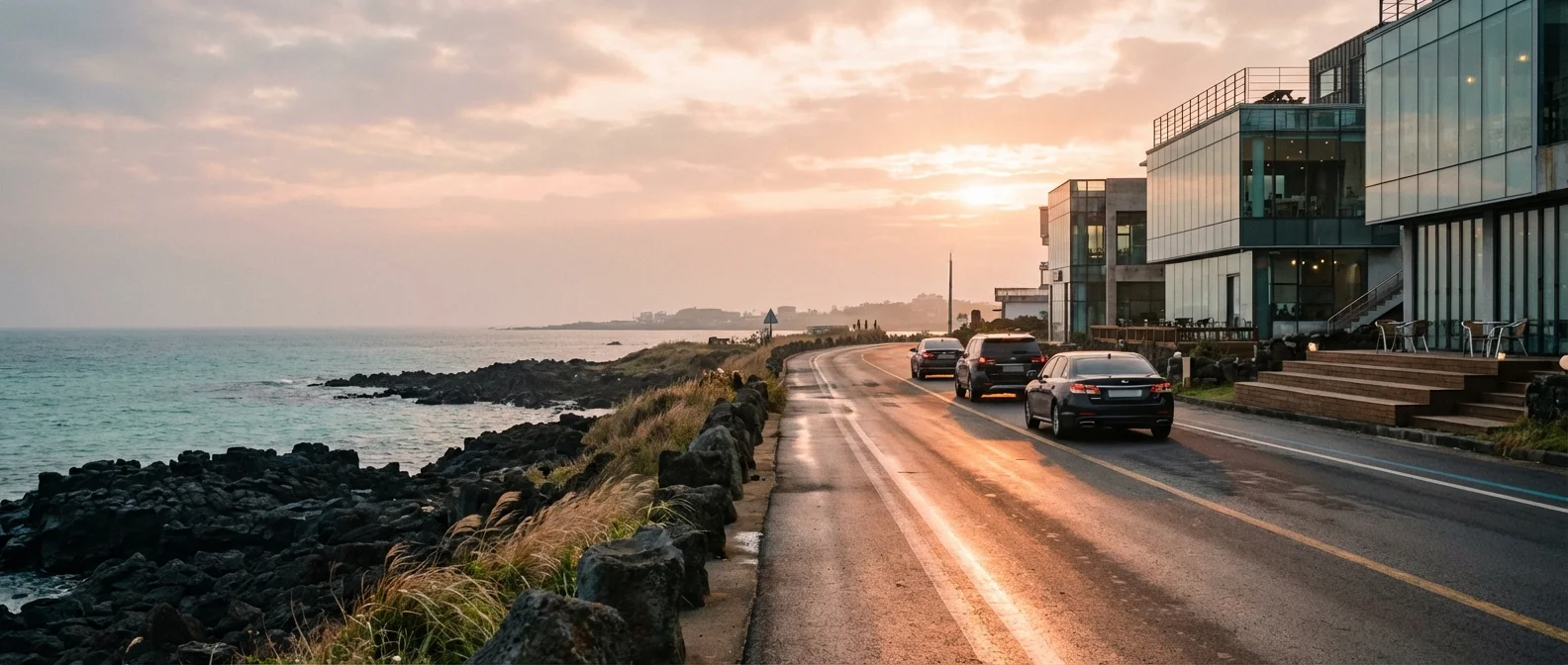
Aewol on Jeju’s northwest coast is famous for a reason: it’s one of the easiest places to combine a scenic drive with relaxed lifestyle stops. Think slow coffee, sea breezes, and a road that feels designed for golden-hour cruising.
Why choose this route?
- Ideal for travelers who want a low-effort, high-reward day: drive, park, sip coffee, repeat.
- Especially great for couples, friends, and solo travelers who enjoy cafes and scenery more than “must-see landmark collecting.”
- One of the best areas to aim for sunset timing.
What to do here (beyond “just driving”)
Sea-view cafe hopping
Aewol is known for cafes overlooking the ocean, and the experience is as much about the view as the drink. If you’re on a budget, consider doing one “signature view cafe” stop and one simpler takeaway stop, rather than sitting at multiple premium-view spots.
Coastal viewpoints and short strolls
You don’t need a long hike here. The best moments often come from short walks near the shoreline—especially if you arrive when the light is soft.
Costs and booking: what makes sense for Aewol?
- Rental car is typically the most convenient because you can move between cafes without being locked into a tour timeline. Expect ₩50,000–₩100,000/day (as of 2025/2026; typical range—check current prices).
- A guided tour can still work, but Aewol’s charm is spontaneity—choosing a cafe because it looks good right now, not because it’s on the schedule. If you do choose a tour, confirm how much “free time” is actually built in.
If you’re price-sensitive, compare deals and check current prices for rentals well ahead of weekends and peak summer—Aewol is popular, and demand can shape availability.
Best time of day
- Late afternoon into sunset is the signature Aewol experience.
- Midday can be brighter and busier; still beautiful, but less “cinematic.”
What to avoid in Aewol
- Assuming parking will be easy at every cafe. Some hotspots fill quickly. A better approach: park once, walk a bit, then drive again when you’re ready—rather than trying to park directly in front of each stop.
- Trying to “do all the cafes.” Pick 2–3 stops max for a half-day. Otherwise, your day becomes a parking-and-waiting tour.
1100 Highland Road: Hallasan Scenery and Mountain Driving Notes
If coastal drives are Jeju’s easy romance, the 1100 Highland Road is Jeju’s “deep breath.” This route crosses the slopes around Mount Hallasan and gives you a completely different visual palette: interior views, higher elevation air, and seasonal changes that feel more dramatic than along the coast.
Why choose this route?
- You want Hallasan scenery without committing to a full hike.
- You enjoy mountain driving and the sense of traveling through Jeju’s interior.
- You’re visiting in autumn for foliage or in spring when the island feels fresh and bright.
What makes it special
- Panoramic interior views: The feeling of being “above” the island is the point.
- Diverse flora: The landscape shifts as you gain elevation, which is part of the appeal.
Mountain driving notes (important)
This is the route where weather and safety matter most.
- Check conditions before you go. Weather can change quickly, and conditions around Hallasan can differ from the coast.
- Drive conservatively on curves and expect reduced visibility in fog or sudden rain.
- Winter caution (December to February): Snow can make mountain roads slippery, especially around Hallasan. If you’re not comfortable driving in snow/ice conditions, swap this for a coastal route that day or join a guided tour where the driver is experienced.
DIY vs tour: which is smarter here?
- DIY rental car: great for travelers comfortable with mountain roads, and it gives you full control over pacing. Rental costs typically ₩50,000–₩100,000/day (as of 2025/2026; typical range—check current prices).
- Guided tour: can be the safer, lower-stress choice in winter or unpredictable weather. Tours typically ₩100,000–₩200,000 per person (as of 2025/2026; typical range—check current prices).
If conditions look questionable, this is the route where paying more for a tour can be worth it purely for peace of mind. If you’re comparing options, look closely at what the tour includes (and doesn’t), and check current prices close to your travel dates.
What to avoid on the 1100 Highland Road
- Ignoring the forecast because it’s sunny at your hotel. Mountain weather plays by different rules.
- Starting with a low fuel tank. Fuel stations can be limited along longer stretches—refuel in towns before heading up.
Suggested Half-Day and Full-Day Itineraries (Route Pairings)
Jeju looks small on a map, but it rarely feels small once you factor in winding roads, photo stops, parking, and meal breaks. These pairings are designed to keep your day enjoyable rather than rushed.
Half-day options (pick one “main mood”)
Option A: Aewol Coastal Road (cafe + sunset half-day)
- Best for: relaxed travelers, couples, photo-light itinerary
- Plan: late afternoon drive → 1–2 cafe stops → coastal stroll → sunset viewpoint
- Why it works: minimal “must-do” pressure; you can scale it up or down easily.
Option B: Seogwipo Coastal Road (highlights sampler)
- Best for: first-time visitors who want iconic scenery
- Plan: start at Seopjikoji → scenic stops along the way → Jusangjeolli Cliff → finish near Jungmun for a meal
- Why it works: it feels like a complete Jeju experience even in a shorter time window.
Full-day options (balanced, not exhausting)
Option C: Seogwipo Coastal Road + Jungmun dinner (classic full day)
- Best for: travelers who want big views plus a comfortable end point
- Structure: Seopjikoji in the morning → scenic stops → Jusangjeolli Cliff → slower afternoon → dinner near Jungmun
- Tip: Leave buffer time. This route can expand naturally with extra photo stops.
Option D: 1100 Highland Road + Aewol sunset (mountain-to-sea contrast day)
- Best for: travelers who want variety in one day
- Structure: morning mountain drive and viewpoints → midday rest/lunch → late afternoon Aewol cafes → sunset
- Why it works: you get Jeju’s interior and coastline in one narrative arc.
- What to watch: if weather shifts on the mountain, flip the order or skip the highland segment.
Budget logic for itineraries
- Most cost-effective for groups: rent one car (typically ₩50,000–₩100,000/day as of 2025/2026; check current prices) and split the cost.
- Simplest for solo travelers: consider a tour day (typically ₩100,000–₩200,000 per person as of 2025/2026; check current prices) for either Seogwipo highlights or the Hallasan highlands, then do a low-planning day in Aewol separately.
Tips for First-Time Visitors: Timing, Parking, Photo Stops
Driving in Jeju is straightforward, but the “vacation math” can be tricky: a route that looks short can become a full day once you add stops. These tips help you keep the experience relaxing.
Timing: the biggest quality-of-day factor
- Start earlier than you think you need to, especially in summer peak season when popular areas get crowded.
- Choose your “hero moment”:
- Aewol = sunset
- Seogwipo coastal = bright daytime visibility (or late afternoon if you want warmer tones)
- 1100 Highland = clear weather window (often earlier is safer and calmer)
Parking: avoid turning your day into a chore
- Expect crowds near landmark stops, especially Seogwipo coastal highlights.
- Use a “park once, walk a bit” mindset in Aewol rather than fighting for front-door spaces.
- Don’t stack too many stops back-to-back—every stop has hidden time costs (parking, walking, waiting, photos).
Photo stops: how to get better photos with less stress
- Plan fewer, better stops. The best photos often come when you have time to wait for light and space.
- Be weather-flexible. If clouds roll in at the coast, consider shifting to cafes or a sheltered viewpoint and saving cliff photos for later.
Booking and planning: keep it simple
- Rental cars: book ahead during peak months, then re-check closer to travel dates to compare deals and check current prices (sometimes rates shift).
- Tours: confirm what’s included (meals/entrance fees may or may not be included), the group size, and how much free time you get at stops.
What to Know Before You Go: Weather, Fuel, and Safety Pitfalls
This is where most Jeju driving plans go wrong—not because the routes aren’t manageable, but because travelers assume island driving behaves like city driving.
Weather realities (by season)
- Spring (March to May): Ideal for cherry blossoms and canola flowers in bloom. Roads are comfortable, and stops feel bright and fresh.
- Summer (June to August): Great for beach add-ons, but it’s peak season—expect crowds and slower progress near hotspots.
- Autumn (September to November): Cooler temperatures and vivid foliage make drives comfortable and scenic.
- Winter (December to February): Snow can make mountain roads slippery around Hallasan, so drive carefully and consider skipping the 1100 Highland Road if conditions look risky.
No matter the season: check the forecast right before you leave, and don’t assume the coast and the mountain share the same conditions.
Fuel: don’t get caught out between towns
One of the most common pitfalls is overlooking fuel stations on longer stretches. Some routes have limited options, so:
- Refuel in towns before starting longer drives, especially if you’re heading toward the Hallasan area.
- If you’re planning a full day of multiple routes, top up earlier rather than “later.”
Underestimating travel time (the #1 Jeju driving mistake)
Jeju’s roads can be winding, and traffic can stretch what looks quick on a map. Build your itinerary with:
- Buffer time for scenic pull-offs
- Meal and restroom breaks
- Parking delays at popular stops
A good Jeju driving day feels spacious, not squeezed.
Safety: small habits that prevent big problems
- If wind or rain is strong on coastal cliffs, prioritize safe viewing areas and keep a respectful distance from edges.
- In mountain areas, slow down on curves, and be ready for fog and reduced visibility.
- If conditions feel uncomfortable, switch routes (coast instead of highlands) or choose a guided tour for that day.
Cost expectations (so your budget doesn’t surprise you)
- Rental car: typically ₩50,000–₩100,000 per day (as of 2025/2026; typical range—check current prices)
- Guided driving tour: typically ₩100,000–₩200,000 per person (as of 2025/2026; typical range—check current prices)
For a practical budgeting mindset:
- Budget-minded travelers: lean toward a rental car shared across multiple people, and focus on free scenic stops.
- Mid-range travelers: mix one guided day (especially for the highlands in winter) with one flexible rental day for cafes and coastal roaming.
Jeju rewards drivers who plan lightly, watch the weather, and leave room for spontaneous beauty, and you can absolutely make these three routes the highlight of your 2025 island trip with a bit of smart pacing and care.
FAQ
Q: How long should I budget for a Jeju coastal drive?
Plan more time than map estimates—roads are winding and photo stops add up. A half-day works for one main route; a full day is better if combining multiple stops.
Q: Is winter driving on Jeju safe, especially near Hallasan?
It can be safe, but mountain roads can get icy or snowy around Hallasan. Check weather alerts, drive slowly, and consider skipping 1100 Highland Road during bad conditions.
Q: Where should I refuel on long scenic routes?
Refuel in towns before heading into quieter stretches. Some scenic coastal or highland segments have fewer stations, so don’t wait until the tank is low.
Q: Which route is best for ocean views and famous landmarks?
The Seogwipo Coastal Road (Seopjikoji to Jungmun) is a top pick for dramatic ocean scenery and sights like Seopjikoji and Jusangjeolli Cliff.
Q: What’s the best season for photo-friendly drives in Jeju?
Spring offers cherry blossoms and canola fields; autumn brings crisp air and foliage. Summer is beach-perfect but crowded, and winter requires extra caution on mountain roads.
What you can do next
Pick just one action from this guide and do it today—small steps add up.