2026 Complete Guide to Booking a Jeju Rental Car: License, Insurance Tips & Price Comparison
Quick Info
- 📍 Area: Jeju Island, South Korea (Jeju City & Seogwipo)
- 🕒 Best time: Book 2–6 weeks ahead; 45+ days ahead for summer, holidays, and peak weekends
- 💰 Budget: Economy cars often start around ₩60,000/day in peak season (varies by dates, car class, promos, insurance)
- 🚇 Getting there: Most rentals use Jeju Airport shuttle pickup + offsite lot; return with full tank (common policy)
- 👥 Best for: Families, groups, road-trip travelers, and anyone planning multiple stops beyond bus routes
- ✅ TL;DR: Compare on aggregator platforms, confirm age/experience rules, bring your physical license, and choose full coverage (완전자차) to reduce surprise costs.
Before you dive in
If any part of this guide feels useful, take 10 seconds to bookmark it.
Jeju is one of those places where your itinerary can change five times in a single day—in a good way. You might start with a sunrise beach, detour to a coastal café, end up chasing a sunset viewpoint, and still have time to squeeze in black pork for dinner. That flexibility is exactly why so many travelers choose to rent a car on Jeju.
At the same time, Jeju rental cars can feel confusing if you haven’t done it before: Which platform is trustworthy? Do you need an International Driving Permit? What’s the real difference between 자차 and 완전자차 insurance? And why do prices swing so wildly depending on dates?
This guide walks you through the full decision-making process—where to book, what documents you need, how insurance really works, what “typical” prices look like (as ranges), and how to avoid the common mistakes that cost travelers the most money and time.
Complete Guide to 제주 렌터카 예약 방법(보험/면허) & 가격 비교
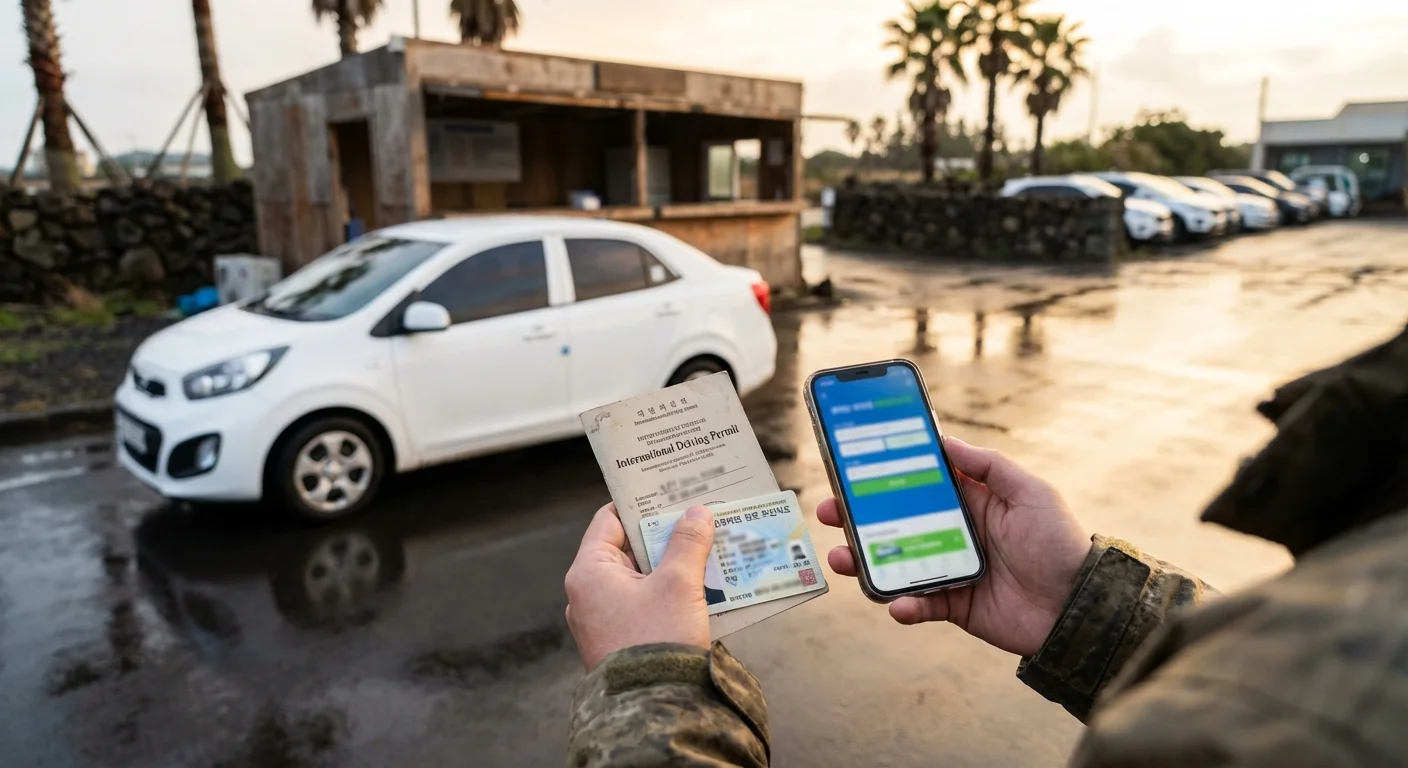
If you take only one idea from this post, make it this: Jeju rental car booking is a three-part decision.
-
Booking channel (platform vs. company site)
Platforms make comparison easy and often surface discounts, while some company sites can be better for loyalty perks or specific vehicle availability. -
Insurance level (minimum vs. full coverage)
Many “cheap” prices look great until you notice the insurance option is minimal. If you want fewer surprises, insurance matters as much as the daily rate. -
Timing + seasonality (when you book and when you travel)
Demand spikes hard in peak periods, and prices can jump quickly. Booking earlier is often the simplest “discount.”
How to price-compare properly (so you’re not tricked by a low headline rate):
- Compare the same car class (e.g., compact vs. economy vs. SUV).
- Compare the same pickup/return times (a late return can trigger extra fees).
- Compare insurance included vs. add-on (some listings show base rate only).
- Check whether the car is gasoline vs. hybrid/EV (fuel costs can change your “real” total).
- Confirm airport shuttle/pickup process, especially if you land late.
A practical approach: pick 2–3 platforms plus 1–2 major company sites, then compare the final price with your preferred insurance option, not just the base daily rate. And always check current prices before you commit—Jeju pricing moves fast.
Where to Compare and Reserve Jeju Rental Cars (Platforms & Company Sites)
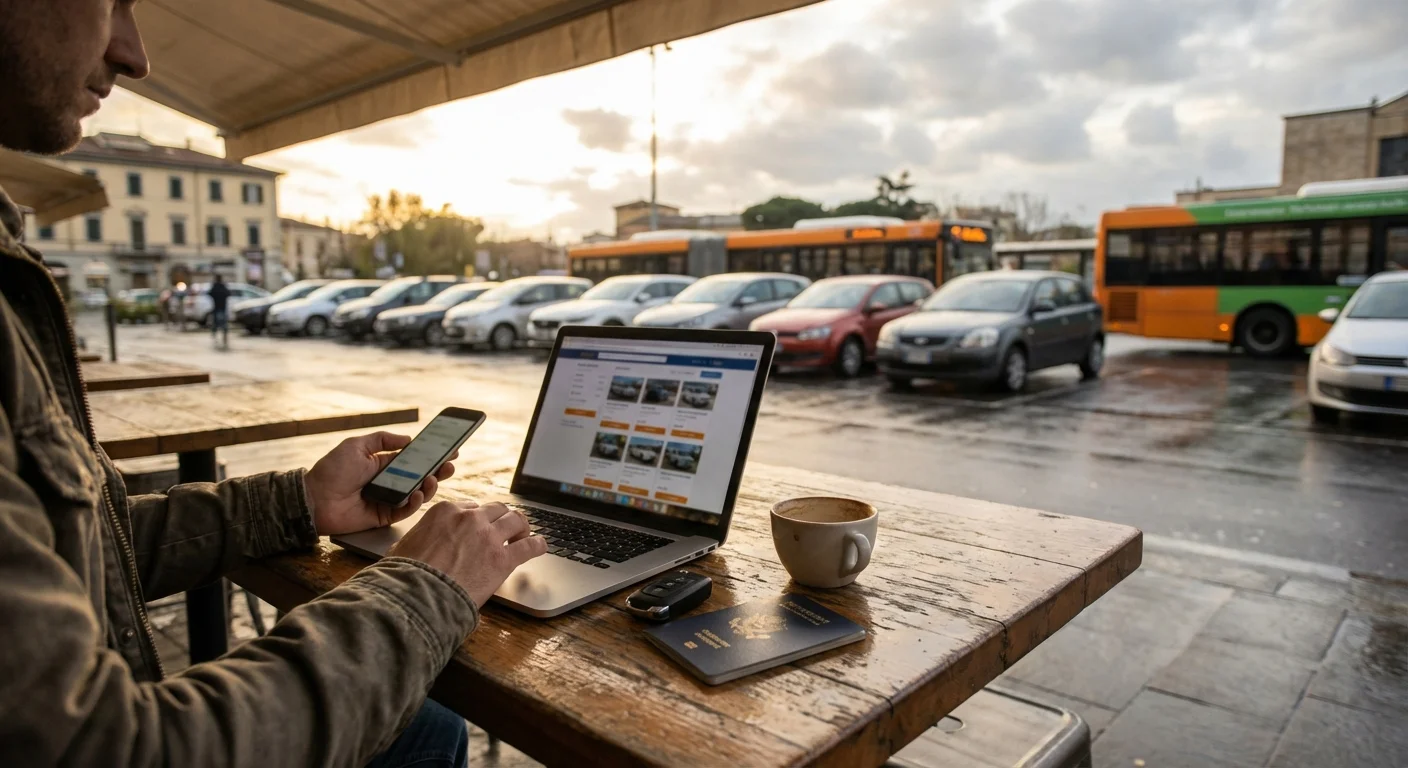
Most travelers in 2026 will book one of two ways:
1) Comparison/booking platforms (best for quick price checks)
Platforms are popular because they let you filter by car type, dates, insurance, and reviews, then reserve without checking ten separate websites. In Korea, travelers commonly use platforms such as:
- 제주닷컴
- 돌하루팡
- 스카이스캐너 (for broader comparison behavior; availability can vary)
- 제주 THE 렌터카
- 탐나오
Why platforms can be cheaper
- They often run new-member promotions, seasonal coupons, or tiered discounts.
- Some platforms advertise lowest-price policies and promo events, which can pull down the total if your dates are flexible.
- You can spot patterns quickly: the same car class may differ widely across suppliers even on the same dates.
When platforms might not be the best
- If you want a very specific model or a premium trim, the company site might have clearer inventory rules.
- Some travelers prefer booking directly with a large brand for customer support consistency (especially if you’re anxious about insurance claims or language).
2) Company sites (best for brand preference and direct policies)
Major operators and local companies both exist on Jeju. For example, large brands like 롯데렌터카 제주 지점 are well-known and operate airport shuttle systems. Local providers such as 제주 속으로 렌터카 may offer competitive pricing and practical car choices.
Decision tip:
If your priority is the lowest total cost, start with platforms and compare “all-in” totals. If your priority is predictability and standardized support, compare at least one major company site too—then choose whichever gives the best value for your risk tolerance and schedule.
No matter where you book, screenshot or save:
- your reservation confirmation,
- the insurance selection you chose,
- pickup/return times,
- fuel policy, and
- any coupon terms (especially exclusions).
License Rules, Age Limits, and Required Documents (면허/경력/실물 지참)
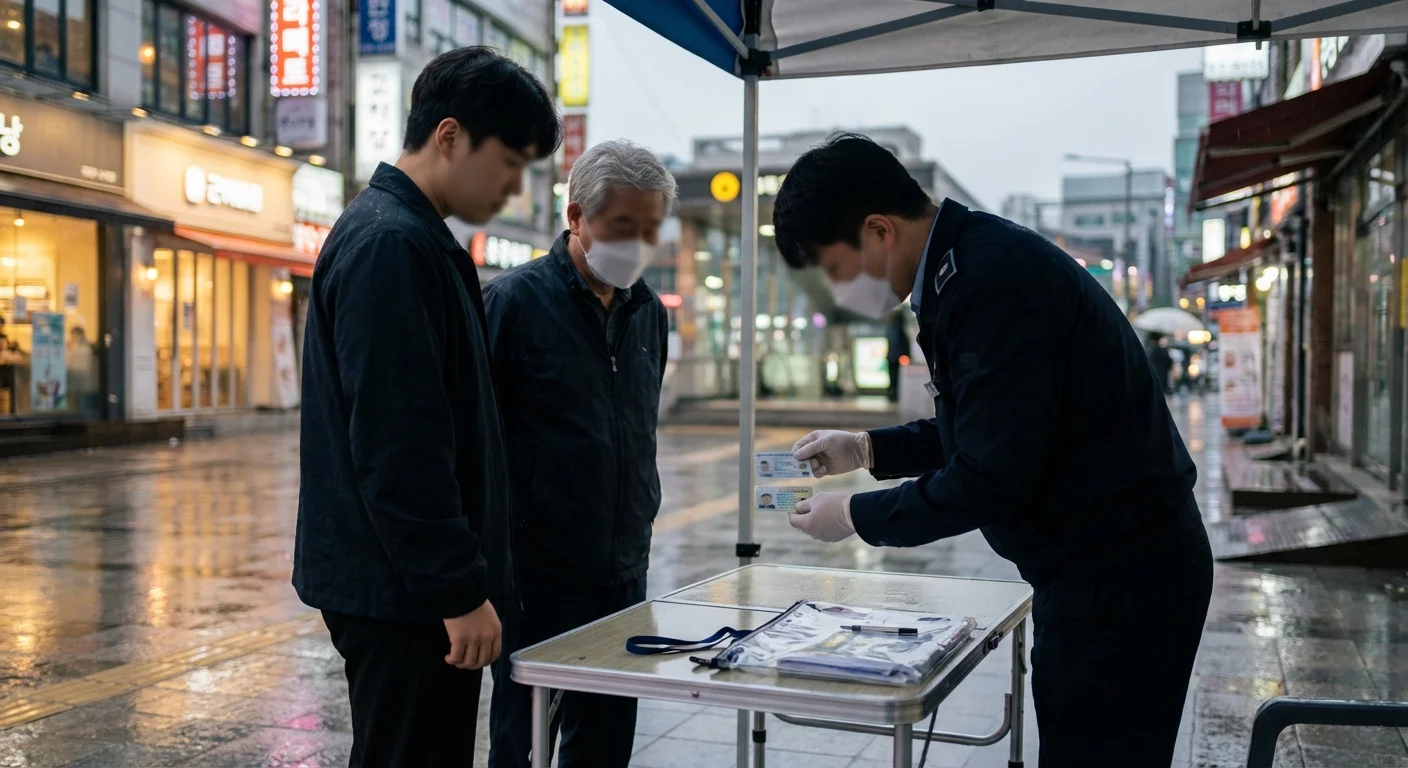
This is where many first-timers get stressed at the counter. The good news: Jeju rental rules are predictable if you confirm them in advance.
Typical eligibility rules (as commonly required)
Many Jeju rental car companies require:
- Age: typically 21+
- Driving experience: typically 1+ year
- Some vehicle categories (often premium cars or larger SUVs) may require 26+.
Because policies vary by car class and company, treat these as general rules and double-check the requirements during booking—especially if you’re under 26 or choosing an SUV.
Required documents (don’t miss the “physical license” rule)
A very common mistake is assuming a digital copy is enough. In many cases, you must bring your physical driver’s license to pick up the car. If you forget it, you may be denied pickup even if everything is prepaid.
Bring:
- Your physical driver’s license (실물)
- Passport or ID (commonly requested for identity verification)
- Reservation confirmation (digital is usually fine)
International travelers: confirm your license format early
Requirements for foreign licenses can differ by company and by your country’s agreement status. Some companies may require an International Driving Permit (IDP) plus your home license and passport. Because this varies, the best move is to:
- check the rental company’s stated policy before paying, and
- keep your documents together in your carry-on (not checked luggage).
Decision tip:
If you’re close to the minimum age/experience requirement, choose a standard economy/compact class rather than an SUV/premium model—those are the categories most likely to have stricter limits.
Insurance Options Explained: 자차 vs 완전자차, Deductibles, and What’s Covered
Insurance is the difference between “a relaxing island drive” and “an expensive headache.” Jeju roads are generally straightforward, but parking lots, narrow alleys near coastal areas, and windy weather can increase the odds of minor scrapes.
Here’s how to think about the common options:
1) Mandatory/basic coverage (usually included)
Most rentals include some baseline insurance required by law. It may cover certain liabilities, but it often does not protect you from paying significant out-of-pocket costs for vehicle damage, depending on the incident and terms.
2) 자차 (self-vehicle damage coverage, often with a deductible)
자차 typically means you’re covered for damage to the rental vehicle but with conditions, often including:
- a deductible (면책금) you must pay if damage occurs,
- possible limits on coverage scope,
- exclusions (for example: certain parts like tires/wheels/glass may have special rules, depending on the company).
This option can be a middle ground if you’re confident driving and want to reduce cost—but you must be comfortable with potential out-of-pocket payments.
3) 완전자차 (full coverage / “zero deductible” style options)
Many travelers in Korea recommend 완전자차보험 because it often means:
- no deductible (면책금 0) in many situations, and
- fewer surprise charges after an incident.
Based on common traveler guidance, this is the option most likely to reduce financial risk—especially for first-time Jeju drivers, families, or anyone parking frequently in crowded tourist zones.
That said, “완전자차” can still have terms and exclusions. Before you click “pay,” look for:
- whether it truly states deductible is waived,
- what is excluded (glass, tires, underbody, key loss, towing, negligence, etc. can vary),
- whether single-vehicle incidents are treated differently,
- whether you must report incidents immediately.
Decision tip:
If you’re comparing two quotes and one is cheaper but only offers minimal coverage, the “cheaper” quote may be a false economy. Many travelers choose 완전자차 to keep the trip predictable. When in doubt, pick the option that lets you sleep at night—and check current insurance terms because wording differs by company.
Typical Prices & What Affects Them (Season, Car Type, Pickup/Return)
Jeju rental car pricing is dynamic. Rather than fixating on one number, it’s more useful to understand the range and the variables that push you toward the high or low end.
Typical daily price ranges (as of 2026/2027; check current prices)
Prices depend heavily on season, booking timing, and insurance. Based on commonly observed market behavior and research notes:
- In peak season, even small cars can be ₩60,000+ per day as a starting point (especially once demand spikes).
- Outside peak periods, you may see lower “typical ranges,” but exact numbers vary widely—so treat any estimate as a typical range and always compare deals in real time.
If you want a practical budgeting frame (daily rental only; fuel, parking, tolls extra), many travelers mentally plan like this (as ranges, as of 2026/2027, and check current prices):
- Budget travelers (smallest cars, off-peak, flexible times): typically lower ranges when booked early
- Mid-range (compact/sedan, more convenient times, stronger insurance): mid-tier ranges
- Comfort/premium (SUVs, premium models, peak dates): higher ranges, especially in peak season
Because Jeju prices can swing dramatically, the most honest advice is: run comparisons for your exact dates and evaluate the total with insurance.
What pushes prices up (and how to avoid it)
-
Seasonality (the biggest factor)
Summer vacations and year-end/holiday periods can surge. When demand outpaces supply, the same car class can cost much more. -
Car type and popularity
SUVs, large vans, and newer models tend to cost more. Hybrids/EVs may price differently depending on demand. -
Pickup/return windows
High-demand flight arrival times can correlate with higher pricing and tighter inventory. Also, short rentals (e.g., 24–36 hours) can price awkwardly depending on the rate rules. -
Insurance selection
Full coverage options increase the daily cost but can reduce expected risk costs. -
Airport convenience and shuttle operations
Most Jeju rentals involve a shuttle from the airport to the rental lot. Operational convenience can affect pricing, especially for late-night arrivals.
Decision tip:
When comparing “cheap vs. expensive,” separate the cost into:
- base rate,
- insurance,
- add-ons (child seat, extra driver, navigation/Wi‑Fi),
- and penalties (late return, fuel shortfall). The best deal is usually the one with the lowest total expected cost, not the lowest headline rate.
Tips for First-Time Visitors: Pickup at Jeju Airport, Fuel Policy, and Return Time Fees
A smooth pickup and return can save you an hour (and your mood) on travel days.
1) Jeju Airport pickup: plan for shuttle time
Many companies operate off-site lots with a shuttle from Jeju Airport. In practice:
- Build buffer time after landing for luggage + finding the shuttle stop.
- If you land at a busy time, shuttles can queue.
- If you’re traveling with kids or elderly family, consider how much walking and waiting you can tolerate.
Decision tip:
If your flight lands late, prioritize a company with clear after-hours instructions (or adjust your pickup time). A “cheap” booking is not worth it if you can’t pick up the car smoothly.
2) Fuel policy: “full-to-full” is common
Many Jeju rentals use a full tank pickup / full tank return policy (often described as “만땅 인수·만땅 반납”). If you return the car with less fuel, you may be charged extra—sometimes at a less favorable rate than a normal gas station.
What to do:
- On your final day, locate a gas station near the return location.
- Keep your last fuel receipt if possible (helpful if there’s a dispute).
- Don’t wait until the last 10 minutes—airport areas can be congested.
3) Return time rules: late fees can be painful
Late return fees vary, but the risk is real: some policies may charge significant penalties if you exceed the return time, and some may treat longer delays harshly.
To avoid fees:
- Set your return time earlier than you think you need, especially on departure day.
- Account for: fueling, traffic near the airport, shuttle time back, and check-in lines.
- If you’re running late, call as early as possible and ask about the grace policy.
4) Common “I wish someone told me” checklist
Before driving out of the lot:
- Take photos/video of the exterior (bumpers, wheels) and interior.
- Confirm the fuel level on the contract matches the dashboard.
- Ask how to handle accidents or scratches (who to call, where to report).
- Confirm whether navigation is in English and whether your phone mount/charging ports fit.
These steps take 3 minutes and can prevent a 3-week back-and-forth later.
Money-Saving Tips: Coupons, Member Deals, and Booking Timing
Jeju rental car savings are less about hunting one magical promo and more about stacking a few reliable strategies.
1) Use platforms for coupons and member promos
Some platforms are known for running:
- new member discounts
- birthday coupons
- tier/level discounts
- seasonal promotion codes
Promos change frequently, so the best habit is to:
- compare totals on 2–3 platforms,
- apply coupons at checkout,
- then re-check the final “pay now” total.
If you see a “lowest price guarantee” style claim, read the terms carefully—then decide whether it’s worth the extra steps. Either way, it can motivate you to compare deals more systematically.
2) Book earlier for peak season (this matters more than coupons)
In high-demand periods, waiting often costs more than any coupon saves. A practical rule from seasonal travel behavior:
- For peak season, try to reserve well in advance—often around 45 days early, and at least 2 weeks ahead if you want decent choice.
Earlier booking helps you:
- lock in better inventory (especially small cars and popular SUVs),
- avoid panic-purchasing whatever is left,
- and choose your preferred insurance option instead of settling.
3) Be flexible with car class (and don’t overbuy)
If you’re mostly doing paved coastal routes and city driving, a compact car is usually enough. Upgrading to an SUV “just in case” can raise costs significantly, especially in peak season.
A value-first approach:
- Choose the smallest class that comfortably fits your luggage and passengers.
- Spend the “upgrade budget” on better insurance instead.
4) Control the hidden costs
The cheapest way to save money is avoiding penalties:
- Return on time (late fees can erase all savings).
- Follow the fuel policy (fuel shortfall charges add up).
- Don’t skip insurance if you’ll worry all trip—stress is a cost too.
5) Simple budgeting ranges for trip planning (as of 2026/2027; check current prices)
Because daily rates vary widely, plan your rental budget as a range rather than a fixed number:
- 2–3 day trip: plan a wider range due to rate rule quirks and pickup/return times
- 4–7 day trip: often easier to find stable value because you can compare more inventory options
- Peak season trips: assume the range shifts upward; prioritize early booking and flexible car class
When you’re ready to book, do one last “sanity check” comparison with insurance included, and don’t forget to check current prices before paying.
A well-chosen rental car turns Jeju into an easy, spontaneous island adventure, and with the right license prep, insurance choice, and smart price comparison, you’ll drive off feeling confident and excited for the days ahead.
FAQ
Q: What do I need to rent a car in Jeju?
Bring your physical driver’s license (required at pickup), a payment card, and confirm the company’s minimum age and driving-experience rules before booking.
Q: What are typical license requirements for Jeju rental cars?
Many companies require drivers to be at least 21 years old with 1+ year of driving experience; some SUVs or premium cars may require age 26+.
Q: Should I choose standard CDW or full coverage (완전자차)?
Full coverage (완전자차) is often recommended because it can reduce or eliminate deductible (면책금) and out-of-pocket costs after an accident (terms vary by company).
Q: How can I compare Jeju rental car prices quickly?
Use comparison platforms (e.g., 제주닷컴, 돌하루팡, 스카이스캐너, 탐나오) to check multiple companies at once, then compare total cost including insurance and fees.
Q: When is the cheapest time to book a Jeju rental car?
Off-peak weekdays are usually cheaper. During summer vacation and year-end holidays, prices rise and availability drops, so booking earlier is key.
Q: What are the most common rental car mistakes in Jeju?
Skipping insurance, forgetting the physical license, returning late (extra fees), and not refueling to the required level (often full-to-full) are the most common issues.
What you can do next
Pick just one action from this guide and do it today—small steps add up.