Quick Info
- 📍 Area: Jeju Island, South Korea
- 🕒 Best time: Spring (Mar–May) and fall (Sep–Nov) for mild weather and fewer crowds
- 💰 Budget: Mid-range: plan for pass + meals + fuel/tolls; higher in summer peak due to car and activity demand
- 🚇 Getting there: Rental car recommended; book early in peak season
- 👥 Best for: First-timers, families, travelers doing multiple paid attractions/activities in 1–3 days
- ✅ TL;DR: Jeju Tour Pass bundles rental car + attraction/experience discounts; best value when you plan multiple ticketed spots and reserve early in peak season.
Before you dive in

If any part of this guide feels useful, take 10 seconds to bookmark it.
Quick Info
- 📍 Area: Jeju Island, South Korea
- 🕒 Best time: Spring (Mar–May) and fall (Sep–Nov) for mild weather and fewer crowds
- 💰 Budget: Mid-range: plan for pass + meals + fuel/tolls; higher in summer peak due to car and activity demand
- 🚇 Getting there: Rental car recommended; book early in peak season
- 👥 Best for: First-timers, families, travelers doing multiple paid attractions/activities in 1–3 days
- ✅ TL;DR: Jeju Tour Pass bundles rental car + attraction/experience discounts; best value when you plan multiple ticketed spots and reserve early in peak season.
Before you dive in

If any part of this guide feels useful, take 10 seconds to bookmark it.
Jeju is one of those destinations where your itinerary can swing wildly depending on two things: how you get around and how many paid attractions/activities you plan to do. That’s why the Jeju Tour Pass (제주 투어 패스) has become such a popular shortcut for travelers—especially first-timers who want to bundle the essentials and spend less time juggling separate bookings.
This post breaks down Jeju Tour Pass prices (2026) using safe price ranges (not exact numbers), explains what’s typically included, and helps you decide which style of pass makes sense for your trip. You’ll also find must-visit spots commonly associated with pass-style bundles, plus sample itineraries for 1–3 days across the East/West/South of the island.
What Is the Jeju Tour Pass (2026) and Who Should Buy It?
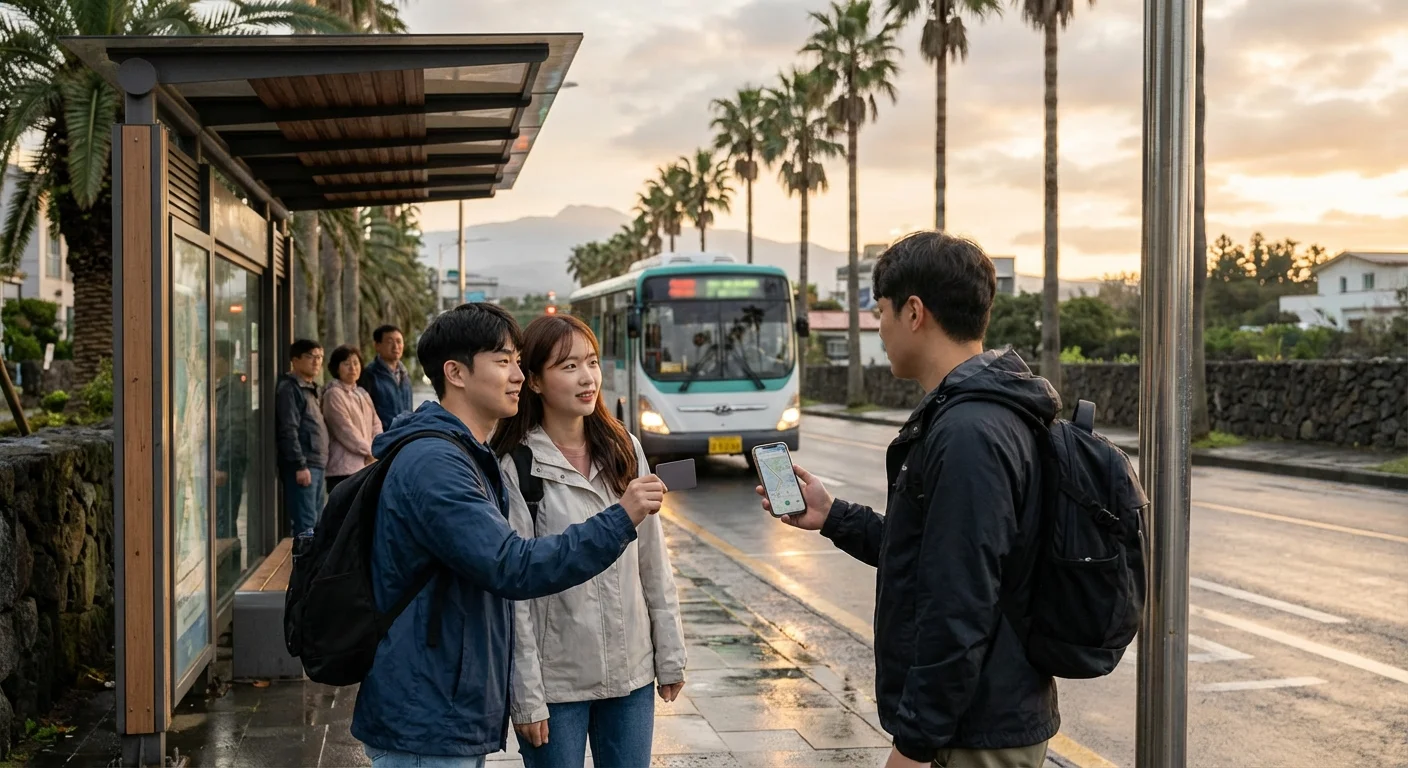
A Jeju Tour Pass is a bundled travel product designed for visitors to Jeju Island, typically combining:
- Rental car access (important on Jeju)
- Admission tickets for popular attractions
- Discounts at restaurants/cafés
- Activity deals (sometimes hands-on experiences or leisure attractions)
The appeal is simple: Jeju is not as convenient by public transportation as many travelers expect, and many of the island’s paid attractions are spread out. A pass can reduce both planning friction and per-activity costs—as long as you actually use what’s included.
Who benefits most?
Consider buying a Jeju Tour Pass if you are:
- A first-time Jeju visitor who wants an easy, structured way to see highlights
- Traveling with family (paid attractions add up fast, and bundling helps)
- Planning to rent a car anyway (often the “core” cost of Jeju travel)
- Doing multiple ticketed attractions in 1–3 days (where bundling tends to shine)
Who might skip it?
You may not need a pass if you are:
- Hiking-focused (e.g., mostly Hallasan trails and free coastal walks)
- Staying in one area and doing mostly cafés, beaches, and markets
- Preferring spontaneous days with minimal schedules (passes may require planning)
Decision tip: If you can realistically use a rental car + 2–4 paid attractions/activities during the pass period, it’s usually worth comparing deals and checking current prices to see if a bundle beats booking separately.
What’s Included: Rental Car, Attraction Tickets, Food Discounts, and Activities
In 2026-style bundles, inclusions vary widely. Some passes are essentially “rental car + perks,” while others are a larger menu of entry tickets and coupons.
1) Rental car (렌터카)
Because Jeju’s transit coverage can be limited for sightseeing, rental cars are often treated as the baseline. Packages typically mirror rental durations like 1 day, 2 days, or 3 days, and the total value depends on:
- Season (peak vs. off-peak)
- Vehicle class
- Insurance coverage type
- Pickup/return logistics
If your pass includes a rental car component, read the fine print on insurance, fuel policy, and driver requirements, and always confirm availability early during peak season.
2) Attraction tickets
Many passes bundle entry to well-known Jeju attractions. Commonly referenced “anchor” sights include:
- Seongsan Ilchulbong (Sunrise Peak)
- Udo (islet trip)
- Hallasan (hiking area access/visit planning)
- Jeju National Museum
- Jeju Dinosaur Land
Not every pass includes all of these—some will include only a subset, and some may swap in other theme parks, museums, gardens, or family attractions depending on the provider.
3) Food and café discounts
These are usually coupons or percentage-off deals, sometimes with minimum spend requirements or limited menus. They can be a nice bonus, but don’t value them too highly unless:
- The restaurants are near your planned route
- The discount is easy to redeem
- You’re comfortable with time windows or exclusions
4) Activities and experiences
“Activities” can mean many things: light hands-on experiences, leisure attractions, or add-on discounts. Treat this section as “optional value”—great if it matches your travel style, irrelevant if it doesn’t.
Decision tip: A pass is only “cheap” if it fits your route. Before buying, list your must-do attractions and check whether they’re included (and whether reservations are required).
Typical Prices & Budget Examples
Because Jeju Tour Pass bundles differ by duration and inclusions, you’ll see a wide spread in cost. The safest way to think about pricing is to compare categories rather than expecting one universal “Jeju Tour Pass price.”
Typical price ranges (as of 2026/2027; check current prices)
Below are typical ranges you may encounter depending on what’s bundled. These are not exact prices, and you should check current prices when booking.
- Attraction-only style passes (1–3 days): typically ₩30,000–₩120,000 per person (as of 2026/2027), depending on how many venues are included and whether it’s a “choose X places” model.
- Bundles including rental car (short duration): typically ₩100,000–₩300,000+ per package (as of 2026/2027), depending on car class, season, and insurance level.
- Larger bundles (car + multiple tickets + discounts): typically ₩150,000–₩400,000+ (as of 2026/2027), especially in peak seasons or with higher vehicle classes.
These are broad “shopping ranges,” not promises. The same pass can move dramatically with holiday demand.
Budget examples (use as planning brackets)
Think of your “pass budget” as part of your overall daily spend:
- Budget travelers (per day, excluding flights): typically ₩80,000–₩150,000 (as of 2026/2027) if you prioritize free sights, one paid attraction, and shared transport costs.
- Mid-range travelers: typically ₩150,000–₩250,000 (as of 2026/2027) with a rental car split between travelers and several paid stops.
- Comfort travelers/families: typically ₩250,000–₩400,000+ (as of 2026/2027) when convenience, flexible schedules, and multiple ticketed attractions are priorities.
Decision tip: If the pass pushes you into doing “extra” attractions you don’t really want, it can become more expensive than a simpler plan. Choose the pass that matches your pace—not the one with the longest list.
Where to Book 제주 투어 패스 Tours and Tickets
Where you book matters almost as much as what you book, because policies and availability can differ.
Common booking channels to compare (no links—compare deals)
- Major Korean travel apps/platforms that sell Jeju attraction tickets and bundles
- Global OTAs (online travel agencies) that package tickets and activities
- Local Jeju rental car companies offering partner bundles
- Korean-language deal platforms that run seasonal promos
What to check before you pay
When you’re comparing Jeju Tour Pass options, look for these decision points:
-
Validity period & activation rules
Does the pass activate at purchase, first use, or a chosen date? -
Included attraction list (and exclusions)
Some attractions may be seasonal, closed on certain days, or excluded on holidays. -
Reservation requirements
Even if admission is “included,” some activities require advance time slots. -
Cancellation/refund policy
This is crucial if weather affects your plans (Jeju winds and rain can disrupt routes). -
Rental car terms (if included)
Driver age, license requirements, insurance coverage, and peak-season availability.
Decision tip: If your trip is in spring or autumn—popular seasons—book earlier and confirm inventory. If you’re traveling in summer peak, “last minute” can mean paying more or compromising on car type.
Best Included Attractions in Jeju: Top Picks by Travel Style
Jeju is full of free experiences—coastal walks, beaches, markets, and scenic drives—but passes usually get their value from ticketed attractions. Here are top picks commonly associated with Jeju sightseeing planning, grouped by travel style. (Always confirm what your specific pass includes.)
For first-time “iconic Jeju” travelers
- Seongsan Ilchulbong (Sunrise Peak): A classic sunrise/summit experience and one of Jeju’s most recognizable landscapes. Go early to avoid crowds and heat.
- Udo (islet visit): Great for a day trip vibe—coastal views, snacks, and relaxed exploration. Weather and sea conditions can affect plans, so keep a flexible backup.
Why it works with a pass: These are high-demand highlights that often anchor an East Jeju day.
For nature & hiking-minded travelers
- Hallasan area planning: Hallasan is a major reason people come to Jeju. While hiking itself isn’t about “discount tickets” in the same way as theme attractions, bundles sometimes support your logistics (transport or add-on visits nearby).
- Pair with nearby scenic stops, short trails, or museums to keep your day balanced.
Pass strategy: Use a pass only if you’ll still do multiple included paid stops around the hiking day.
For culture and rainy-day planners
- Jeju National Museum: A solid cultural stop that can also serve as a weather-safe anchor. Museums are great when wind/rain makes coastal routes unpleasant.
Pass strategy: A museum day pairs well with cafés and indoor attractions—use the pass to reduce per-stop costs.
For families with kids
- Jeju Dinosaur Land: A family-friendly attraction often associated with kid-focused itineraries. It’s the type of place where ticket bundling can save a meaningful amount when multiple family members visit.
Pass strategy: Family passes/bundles can be especially valuable because costs multiply quickly per person.
Decision tip: Build your “pass day” around 2–3 included attractions you truly want, then fill gaps with free stops: beaches, viewpoints, local markets, and cafés.
Suggested 1–3 Day Itineraries Using the Pass (East/West/South)
These sample routes are designed to help you evaluate whether a pass will pay off. Mix and match depending on where you stay (Jeju City vs. Seogwipo vs. near Seongsan). Always check driving times—Jeju looks small but can feel slower than expected with traffic, weather, and frequent scenic stops.
1-Day East Jeju: Sunrise + Island vibes
Best for: first-timers, photographers, “I want the classics” travelers
- Early morning: Seongsan Ilchulbong (beat crowds and midday heat)
- Late morning to afternoon: Udo day trip (if conditions allow)
- Late afternoon: scenic coastal drive and café stop
- Evening: return via a viewpoint or market depending on your base
Pass logic: If your pass includes tickets/discounts for East-side attractions and you’re using a rental car anyway, this is one of the easiest days to “make the pass work.”
2-Day West + Central: Families and indoor-friendly pacing
Best for: families, mixed weather, relaxed pace
Day 1 (West-focused):
- Mid-morning start to avoid rush
- One major family attraction (e.g., a theme/museum-style venue if included)
- Scenic drive + beach stop
- Dinner near your accommodation
Day 2 (Central/Jeju City):
- Jeju National Museum (rainy-day friendly)
- Markets/cafés
- Optional second included attraction if time and energy allow
Pass logic: This is where attraction bundles shine—two days lets you spread included entries without rushing.
3-Day South (Seogwipo base): Nature + culture balance
Best for: couples, scenic drives, slower travel
Day 1: South coast scenic stops + one included attraction
Day 2: Hallasan area planning (or a shorter hike day) + museum/café backup
Day 3: Add a family-friendly attraction (if traveling with kids) or revisit favorites
Pass logic: A 3-day window is ideal if your pass is duration-based and you prefer to do 1–2 paid stops per day instead of cramming everything into one day.
Decision tip: Don’t over-stack. If you schedule too many “must-enter” attractions, you’ll spend your day checking in and driving rather than enjoying Jeju.
Money-Saving Tips
A tour pass can save money, but the best savings usually come from pairing smart pass use with practical Jeju logistics.
1) Reserve rental cars early in peak seasons
Jeju’s peak periods (especially summer) can cause limited inventory and higher costs. Even if the pass includes a car, availability can still be constrained—so book early and confirm.
2) Choose the pass that matches your travel rhythm
- Fast-paced travelers can extract value from “more entries”
- Slow travelers do better with shorter lists and fewer time commitments
Savings tip: The cheapest pass on paper can become expensive if it forces you to detour.
3) Stack “paid” stops with free scenic stops
Between ticketed venues, add Jeju’s free highlights:
- beaches, coastal walks, viewpoints, local markets
This keeps your day beautiful without requiring more spending.
4) Use food discounts only when convenient
Food coupons are best used when they’re already on your route. Detouring across the island for a small discount often costs more in fuel/time than you save.
5) Treat weather as part of your budget plan
Windy/rainy days can disrupt ferries (Udo) and outdoor activities. If your pass is strict about dates, consider a plan with indoor options so you don’t lose value.
Soft CTA: Before checkout, compare deals across a couple of platforms and check current prices and blackout dates.
Common Mistakes to Avoid: Reservations, Peak Season, and Driving Safety
Most negative Jeju pass experiences come from mismatched expectations—assuming everything is automatic, available, and flexible. Avoid these common pitfalls.
1) Booking a rental car too late
In peak season, waiting can mean:
- fewer vehicle choices
- higher prices
- inconvenient pickup times
Fix: Lock in your rental plan early, and verify what the pass actually guarantees (a voucher is not always the same as confirmed inventory).
2) Not reading what’s included (and what isn’t)
Some passes look similar but differ in key ways:
- certain attractions excluded
- limited redemption times
- special exhibits not included
- “discounted” rather than “free entry”
Fix: Make a shortlist of your top 5 attractions and confirm they’re included in the pass version you’re considering.
3) Ignoring cancellation and refund rules
Jeju weather and travel disruptions happen. If your plans change, policies matter.
Fix: Before purchase, review cancellation windows and whether “unused” components are refundable, and choose flexible options when your schedule is uncertain.
4) Overplanning and rushing
Trying to “get your money’s worth” can backfire. Jeju is best enjoyed with breathing room.
Fix: Aim for 2–3 major stops per day. If you finish early, enjoy a beach sunset or café time—often the best part of Jeju is the unplanned moments.
5) Underestimating driving conditions and safety
Jeju driving is generally manageable, but:
- coastal winds can be strong
- mountain/forested roads can be slick in rain
- fatigue builds if you crisscross the island daily
Fix: Keep routes regional (East/West/South), rotate drivers when possible, obey local traffic rules, and plan extra time for breaks—especially with kids.
A Jeju Tour Pass can be a smart, economical way to bundle a rental car with attraction tickets and discounts, but the best pass is the one that fits your actual route—so take five minutes to map your must-visits, compare options, and check current prices before you buy, and you’ll enjoy Jeju with far less stress and far more freedom.
FAQ
Q: How much does the Jeju Tour Pass cost in 2026?
Prices vary by duration (e.g., 1–3+ days) and inclusions (rental car, attractions, activities). Always check the current package price and what’s included before paying.
Q: Where can I book the Jeju Tour Pass and tickets?
You can typically book via official pass sellers, partner travel platforms, and authorized agencies. Compare final checkout prices and included attractions, not just headline discounts.
Q: Is the Jeju Tour Pass worth it compared to buying tickets separately?
It’s usually worth it if you’ll visit multiple paid attractions/activities within the pass period and need a rental car. If you only plan 1–2 free/low-cost spots, separate tickets may be cheaper.
Q: Do I need to reserve attractions in advance after buying the pass?
Some activities may require time-slot reservations or have blackout dates. Confirm each attraction’s reservation rules and operating hours, especially in summer peak season.
Q: What is the cancellation/refund policy?
Policies differ by seller and whether the pass or tickets have been used/activated. Check deadlines, partial refunds, and no-show rules before purchase.
What you can do next
Pick just one action from this guide and do it today—small steps add up.