2025 Complete Guide to Visiting Korea’s Famous Buddhist Temples: Tips, Etiquette, and Best Seasons
Quick Info
- 📍 Area: Across Korea (Gyeongju, Hapcheon, Suncheon, Haenam)
- 🕒 Best time: Spring (Mar–May) and fall (Sep–Nov) for flowers/foliage
- 💰 Budget: Low to mid: small entry fees; temple stay ~50,000–100,000 KRW per 1N2D
- 🚇 Getting there: Intercity bus/train + local bus/taxi; some temples require a short hike
- 👥 Best for: Culture lovers, photographers, slow travel, nature walks, wellness/quiet retreats
- ✅ TL;DR: Visit Bulguksa, Haeinsa, Songgwangsa, and Daeheungsa for Korea’s history, nature, and calm—go in spring/fall, dress modestly, stay quiet, and check photo/food rules.
Before you dive in
If any part of this guide feels useful, take 10 seconds to bookmark it.
Complete Guide to 한국의 유명한 사찰 여행하기
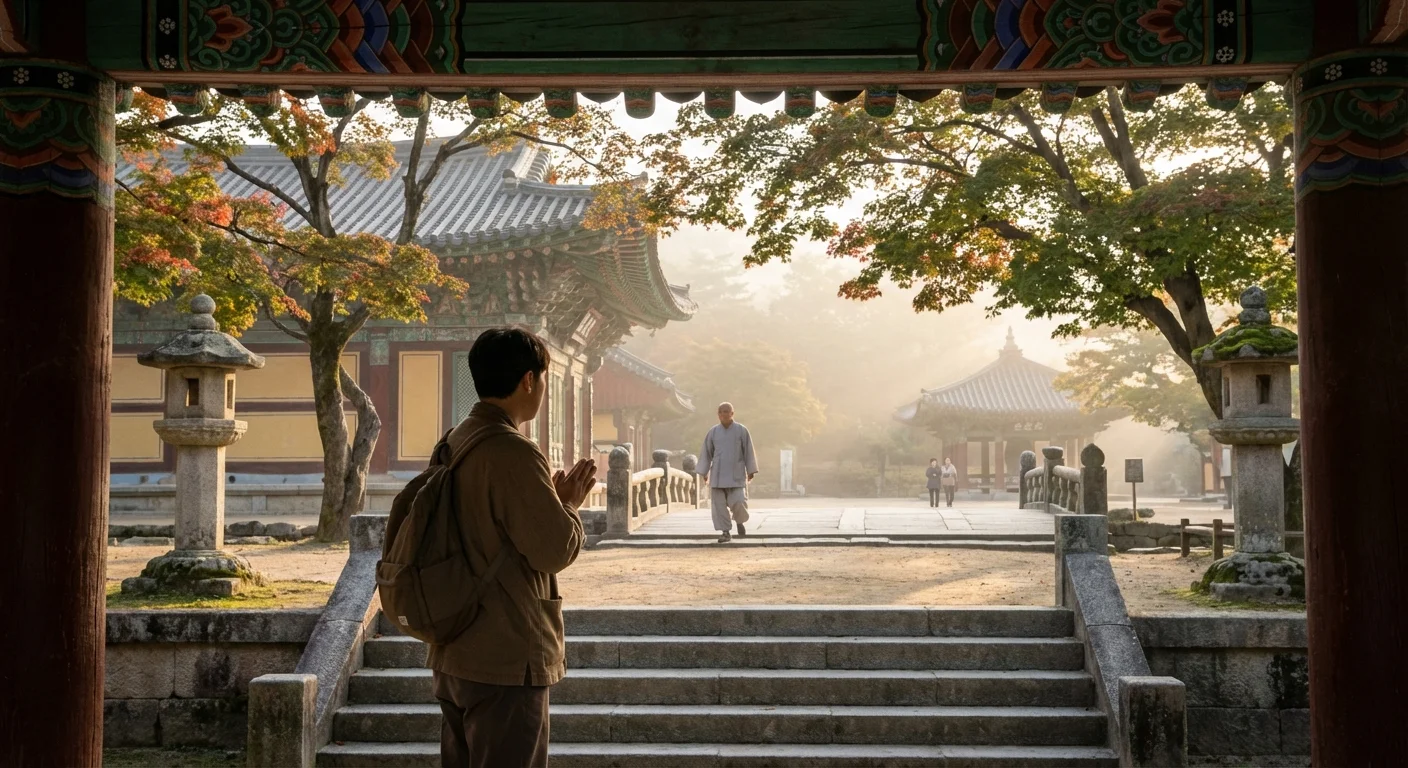
Korea’s famous Buddhist temples (사찰, sachal) aren’t just “tourist spots”—they’re living spiritual communities, cultural time capsules, and some of the most peaceful places you can visit on the peninsula. A great temple trip gives you three things at once: a window into Korean history, a deep breath of nature, and a reset from the pace of cities like Seoul and Busan.
But temple travel also comes with practical questions that can make or break your experience:
- Which temples are worth prioritizing if you have limited days?
- When should you go for foliage, blossoms, or snow?
- How do fees work, and what should you budget?
- What etiquette matters most so you don’t accidentally disrupt monastic life?
- Should you do a templestay—and is it worth the time and cost?
This guide is designed to help you decide. You’ll find the “why” behind each major temple, the best seasons to visit, common mistakes to avoid (quiet travel is a real skill here), and sample itineraries that make logistics easier—especially if you’re traveling without a car.
A key mindset shift: temples reward slower travel. Plan fewer stops per day, aim for early arrivals, and treat the visit as a cultural experience rather than a checklist. Your photos will be better, your stress will be lower, and your understanding of Korean Buddhism will be much richer.
Four Must-Visit Temples: Bulguksa, Haeinsa, Songgwangsa, Daeheungsa
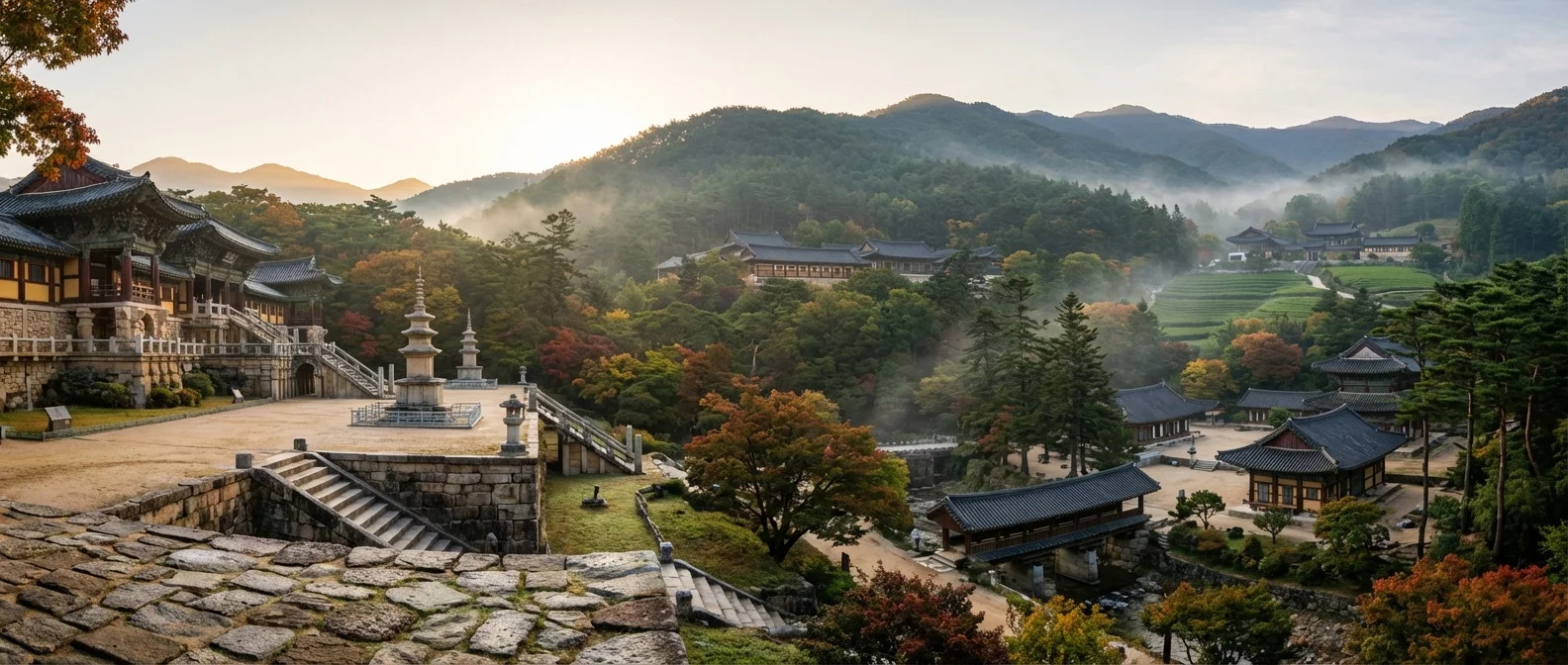
Below are four iconic temples that represent different regions and different “reasons to go.” If you’re choosing between them, think in terms of what you want most: UNESCO history, a world-famous Buddhist archive, a deep meditation vibe, or peak foliage scenery.
Bulguksa (불국사) — Gyeongju, Gyeongsangbuk-do (UNESCO heritage vibes)
Why go: Bulguksa is one of Korea’s most famous temples and a cornerstone of Silla-era Buddhist culture. If your Korea trip includes history—royal tombs, ancient ruins, old capitals—this is the temple that fits naturally. Bulguksa is also closely associated with Seokguram, another major cultural site nearby.
Best for:
- First-time visitors who want a “must-see” temple with broad cultural context
- Travelers pairing temple time with a Gyeongju history itinerary
- People who prefer structured sightseeing (clear paths, signage, classic viewpoints)
Decision-making tip: Bulguksa tends to be more visited than remote mountain temples. If you want a quieter feel, go early in the morning or on a weekday, and consider adding a second, less famous temple nearby to balance the day.
Cost approach: Most temples charge a small entrance fee (range varies by site). It’s typically better value to visit on your own than to pay for a large-group bus tour—unless the tour includes transport that would otherwise be difficult.
Haeinsa (해인사) — Hapcheon, Gyeongsangnam-do (for the Tripitaka Koreana)
Why go: Haeinsa is world-renowned for housing the Tripitaka Koreana (팔만대장경)—a vast collection of Buddhist scriptures carved onto woodblocks during the Goryeo period. Even if you’re not religious, the preservation and historical significance are extraordinary.
Best for:
- Culture lovers who want a uniquely Korean “only here” experience
- Travelers who enjoy forested mountain settings
- Anyone who prefers learning-focused visits (history, archives, conservation)
Decision-making tip: Haeinsa feels more like a destination than a quick stop, because it’s not usually on the fastest rail corridor. If you’re trying to decide between Haeinsa and another temple, choose Haeinsa when your priority is heritage + rarity rather than scenery alone.
How to save money/time: Compare transportation options (intercity bus + local transfer vs. taxi from a regional hub). If you’re on a tight schedule, paying more for a simpler connection can be worth it—especially during peak foliage season when buses can be crowded.
Songgwangsa (송광사) — Suncheon, Jeollanam-do (serene, reflective atmosphere)
Why go: Songgwangsa is one of Korea’s best-known temples in Jeolla province and is often associated with a more contemplative, “monastic Korea” feeling. It’s a strong pick if you’re traveling in the Suncheon area and want a temple that complements nature-focused plans.
Best for:
- Travelers exploring Jeollanam-do (coastal routes, gardens, wetlands)
- People who want a calmer, less “tour-bus” feeling
- Visitors curious about Korean Seon (Zen) traditions and training culture
Decision-making tip: If your itinerary already includes Suncheon (or you’re doing a southern loop), Songgwangsa can be an ideal half-day to full-day anchor. It pairs well with slow travel and early nights—especially if you’re considering a templestay in the region.
Daeheungsa (대흥사) — Haenam, Jeollanam-do (fall foliage favorite + deep quiet)
Why go: Daeheungsa is loved for its peaceful atmosphere and natural surroundings, and it’s particularly known as a fall foliage destination. If your dream temple photos are red-orange maples framing old gates and stone paths, this is a strong contender.
Best for:
- Autumn travelers chasing Korea’s best leaf season
- Photographers who want nature-forward temple scenery
- Anyone craving a quieter, restorative day away from big cities
Decision-making tip: Daeheungsa is more “getaway” than “quick visit.” If you’re relying on public transit, plan carefully and leave buffer time. The payoff is a more immersive, less hurried experience.
Budget note: Because Haenam is farther south and more rural, transportation may cost more (or take longer) than visiting a city-adjacent temple. When comparing options, factor in time cost as much as won cost.
Best Seasons to Visit (Spring, Summer, Fall Foliage, Winter Snow)
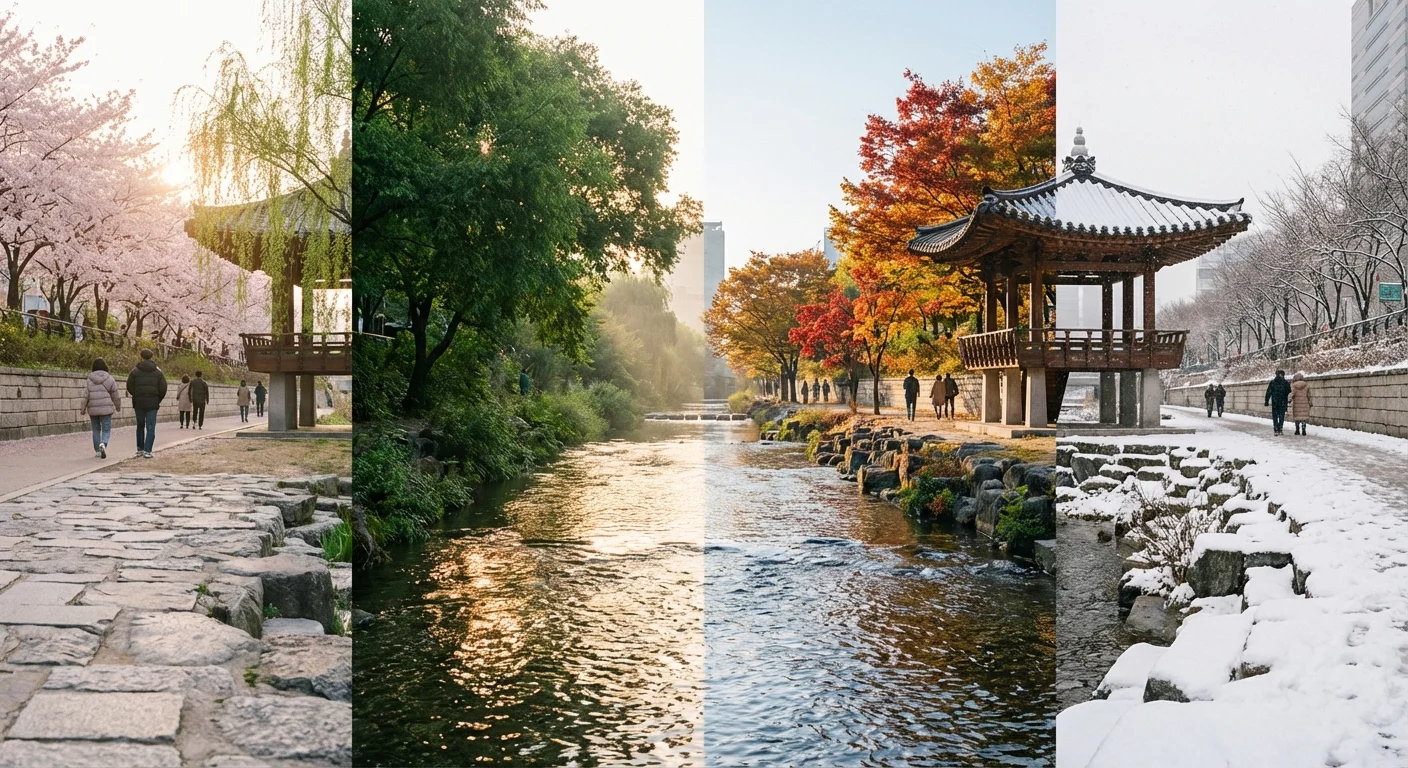
Temples change dramatically by season, and the “best time” depends on what you want to feel and photograph. Here’s how to choose—plus what to pack and what to avoid.
Spring (March–May): blossoms + gentle weather
Why it’s great: Spring brings cherry blossoms and azaleas, and temple grounds often look especially vibrant against traditional architecture. Temperatures are generally comfortable for walking, stairs, and long outdoor pauses.
Planning tips:
- Visit earlier in the day to avoid peak crowds during blossom windows.
- If you’re combining temples with city travel, spring is the easiest season for a mixed itinerary.
What to avoid: Don’t underestimate weekend crowds at famous sites. If you want a quieter visit, choose weekdays and consider pairing a “big name” temple with a smaller local one nearby.
Summer (June–August): deep green forests + monsoon realities
Why it’s great: Summer’s lush greenery makes mountain temples feel cooler and more shaded than cities. Many travelers find temples especially restful during hot weather because forests provide natural relief.
Planning tips:
- Pack an umbrella or rain jacket during monsoon season.
- Wear shoes with grip—stone paths can get slippery when wet.
- If you’re sensitive to heat, prioritize early mornings and shaded valley temples.
Cheaper vs. easier: Summer can sometimes be easier to book accommodations than peak spring/fall, but weather uncertainty can disrupt plans. Keep your itinerary flexible and check current forecasts before locking in long-distance transfers.
Fall (September–November): peak foliage (especially famous at Daeheungsa)
Why it’s great: This is the most popular season for temple travel, and for good reason: foliage transforms temple grounds into postcard scenes. Temples like Daeheungsa are particularly known for autumn color.
Planning tips:
- Book transport and lodging earlier than you think you need, especially for rural areas.
- Consider a templestay midweek for a quieter environment.
- Bring layers: mornings and evenings can feel chilly, especially in mountain areas.
What to avoid: Trying to fit multiple temples into a single day during foliage season. Traffic and crowds can turn “two temples” into one rushed visit. Choose one temple and do it well.
Winter (December–February): snow serenity + fewer visitors
Why it’s great: A snow-covered temple is one of Korea’s most peaceful sights—minimal noise, crisp air, and a sense of stillness that matches temple culture beautifully.
Planning tips:
- Dress warmly and plan for wind; temples can be colder than nearby towns due to elevation.
- Check transit conditions if snow is expected.
- Aim for midday arrivals for slightly warmer temperatures and better light.
What to avoid: Underestimating walking time. Snow and ice slow everything down, and some paths may be restricted for safety.
Tips for First-Time Visitors: Etiquette, Dress Code, and Quiet Travel
Korean temples welcome visitors, but they are not museums. Monastics live and practice there, and many day visitors come specifically for prayer and reflection. Good etiquette makes your experience better—and helps keep temples peaceful for everyone.
Dress code: modest, practical, respectful
What to wear:
- Tops that cover shoulders and chest; avoid overly sheer fabrics
- Bottoms that are not extremely short
- Comfortable walking shoes (temple grounds often include stairs, gravel, and stone paths)
Decision-making tip: If you’re planning temple visits on a day you’ll also spend at beaches or nightlife areas, pack a light layer (like a loose shirt or cardigan) so you can quickly adjust. It’s cheaper and easier than buying clothing last-minute.
Quiet travel: the #1 “unwritten rule”
Temples are acoustically quiet places, which means your voice carries. A few habits help instantly:
- Put your phone on silent (not just vibrate)
- Avoid speakerphone and loud video playback
- Step aside for calls outside main gates or parking areas
What to avoid: Turning the temple into a photoshoot set. Quick snaps are usually fine where permitted, but long posed sessions can block pathways and disturb the atmosphere.
How to behave around prayer and ceremonies
- If you see people praying, keep distance and pass quietly.
- If a ceremony is happening, observe respectfully from the edge unless guided otherwise.
- Do not touch ritual objects unless explicitly allowed.
Cheaper vs. better choice: Hiring a private guide can help you understand what you’re seeing, but it isn’t necessary for respectful behavior. If you’re budget-conscious, read basic etiquette beforehand and travel slowly—your “cost” is time, and the return is higher quality experience.
What to Know Before You Go: Fees, Photography Rules, and Food Policies
Temple visits are simple once you know the rules—but those rules vary by site. A two-minute check before you go can prevent awkward moments at gates or signage.
Entrance fees: expect small charges, bring a payment plan
Most temples charge a small entrance fee used for upkeep and maintenance. Amounts vary, so plan with ranges rather than assumptions. If you’re visiting multiple temples, set aside a small “cultural site fund” in your daily budget.
Smart move: Carry both a payment card and some cash. If you’re traveling rurally, cash can still be helpful at smaller ticket points.
CTA: Check current prices before your trip, especially around holiday periods or during special exhibitions.
Photography rules: look for signs and respect restricted areas
Many temples allow photography outdoors, but some areas may prohibit photos, particularly interiors or sacred halls. Rules can also change during ceremonies.
Best practice checklist:
- Look for “no photo” signage before entering halls
- Don’t use flash inside buildings unless clearly permitted
- Avoid photographing monastics or worshippers up close without permission
Decision-making tip: If photography is a major goal (foliage, architecture), choose a temple visit time when light is best and crowds are lower (early morning). You’ll get better photos without pushing boundaries.
Food policies: don’t assume you can snack anywhere
Temple grounds often have rules about bringing outside food, and some areas may restrict eating to specific places. This isn’t about being strict—it helps keep spaces clean and respectful.
How to plan:
- Eat before you enter, or plan a meal after your visit in the nearby town.
- If you’re doing long hikes or have dietary needs, keep snacks discreet and only eat where permitted.
What to avoid: Picnicking on steps, near halls, or anywhere with posted restrictions. It’s one of the easiest ways to get corrected by staff.
Templestay Basics: What It’s Like, Typical Costs, and Who It’s For
If a temple visit is a glimpse, a templestay is a doorway into the rhythm of temple life. It can be peaceful, challenging, surprising, or all three—so it’s worth deciding based on your travel style, not just curiosity.
What a templestay feels like (in plain terms)
Templestays typically involve some combination of:
- Quiet time and early wake-ups
- Simple meals and communal rules
- Cultural or mindfulness activities (often including meditation)
- A slower pace that removes many “city defaults” (noise, late nights, constant screens)
It’s not a luxury retreat. Think of it as a structured cultural experience that can be deeply restful—if you’re ready to unplug.
Typical costs (use ranges, confirm before booking)
Based on common program structures and the research summary, a typical 1-night, 2-day templestay often falls around ₩50,000–100,000 (as of 2025/2026) depending on the temple, season, and what’s included. Consider this a typical range and check current prices when you book.
Cheaper option: Day-visit temples + budget lodging in a nearby town (more freedom, later nights).
Better value option: A templestay if you want the experience itself—because the cost often includes lodging, meals, and programming in one package.
Who templestay is for (and who might skip it)
Great for:
- Solo travelers who enjoy quiet structure
- Couples wanting a calm “reset day” in the itinerary
- Culture travelers who want more than photos
Maybe skip if:
- You’re on a tight schedule and dislike early mornings
- You need lots of privacy or flexible meal times
- Your trip is nightlife-focused or very city-centered
Decision-making tip: If you’re unsure, do a normal temple visit first. If the atmosphere makes you want more time, then compare templestay options and check current availability.
Sample 2–5 Day Itineraries by Region + Transportation Pointers
These itineraries are built around realistic pacing. Temples aren’t best enjoyed in a sprint—so each plan includes breathing room and helps you decide when you might need a tour, a taxi, or an overnight stay.
Itinerary A: 2 Days in Gyeongju (Bulguksa-focused cultural trip)
Day 1:
- Arrive in Gyeongju, check in
- Afternoon cultural walk (keep it light so you’re not exhausted tomorrow)
Day 2:
- Early morning: Bulguksa (arrive early for calmer grounds)
- Optional: pair with nearby heritage sites for a full day
- Evening: relaxed dinner back in town
Transportation pointers:
- Gyeongju is easier than many rural temple areas for public transit connections.
- If you’re comparing options, a self-guided day can be cheaper than a packaged tour—but a tour may simplify timing if you’re short on time.
Itinerary B: 3 Days in the South (Haeinsa as a primary destination)
Day 1:
- Travel to a regional hub city (choose based on your broader route)
- Overnight near your next-day departure point
Day 2:
- Morning transfer to Haeinsa
- Spend ample time on-site (don’t rush the visit)
- Return and rest early
Day 3:
- Buffer day for weather or delays; or continue onward to your next region
Transportation pointers:
- Expect at least one transfer if you’re coming from major cities.
- Consider whether paying more for a taxi for the final leg is worth the time saved—especially if bus schedules are limited. Compare options and decide based on your day’s value.
Itinerary C: 4 Days in Jeollanam-do (Songgwangsa + slow nature travel)
Day 1:
- Arrive in Suncheon, settle in, gentle evening stroll
Day 2:
- Songgwangsa half-day to full-day
- Quiet dinner, early night
Day 3:
- Nature-focused day in the region (gardens, wetlands, or coastal scenery depending on your interests)
Day 4:
- Flexible departure day (or add a templestay the night before if you want a deeper experience)
Transportation pointers:
- Jeolla travel can be rewarding but slower. Build in buffer time.
- If you prefer convenience, check group day tours from your base city (compare deals and confirm what’s included—especially entrance fees vs. transport).
Itinerary D: 5 Days “Foliage and Silence” (Daeheungsa + autumn pacing)
Day 1:
- Travel to the southern region, overnight in a town with reliable services
Day 2:
- Transfer toward Haenam area, keep the day light and scenic
Day 3:
- Full day at Daeheungsa (prime foliage season rewards slow wandering)
- Golden-hour photos (where permitted), then rest
Day 4:
- Optional templestay night (if you want the full reset) or explore nearby countryside at an unhurried pace
Day 5:
- Return travel day with plenty of buffer
Transportation pointers:
- This is a route where staying overnight nearby can be cheaper than repeated long taxi rides and less stressful than racing last buses.
- In peak autumn, book lodging earlier and check current prices—availability matters as much as cost.
General transport advice (so you don’t lose a day to logistics)
- Start early: Temple visits are best before crowds, and rural connections are easier earlier in the day.
- Avoid over-connecting: Too many transfers increase risk. Sometimes paying more for one simpler leg is the smarter choice.
- Buffer time is not wasted time: A late bus can erase an entire temple visit if you planned too tightly.
- Check temple schedules and rules in advance: Hours and restrictions can change by season or special events.
If you choose one temple that matches your season and travel style—and visit it with patience and respect—you’ll leave with more than photos: you’ll leave with a calmer, clearer sense of Korea that lingers long after the trip ends.
FAQ
Q: Do Korean temples charge an entrance fee?
Many do charge a small fee used for maintenance, though amounts vary by temple and season—check the temple’s official site or local signage before entry.
Q: What should I wear when visiting a temple in Korea?
Wear modest, comfortable clothing (avoid revealing tops/shorts) and shoes suitable for walking; bring layers because mountain temples can feel cooler.
Q: Can I take photos inside Korean temples?
Usually yes in outdoor areas, but some halls or sacred zones prohibit photography—look for posted signs and follow staff/monk guidance.
Q: What are common etiquette rules visitors forget?
Keep your voice low, don’t block worshippers, avoid touching ritual objects, and be mindful when passing ceremonies; silence your phone.
Q: Is temple stay (templestay) worth it, and how much does it cost?
If you want a quiet overnight experience with meditation, meals, and monastery routines, it’s worth it; typical 1-night programs often range about 50,000–100,000 KRW depending on temple and schedule.
Q: Are there any food rules I should know?
Many temples restrict outside food and ask visitors to eat only in designated areas; temple meals are often simple and may follow Buddhist dietary practices.
What you can do next
Pick just one action from this guide and do it today—small steps add up.