
Quick Info
- 📍 Area: Private home visits and housewarming gatherings in South Korea
- 🕒 Best time: Ask about preferences before shopping; present your gift after greeting the host
- 💰 Budget: Choose an amount comfortable for your relationship; this guide does not claim a nationwide minimum or average
- 🚇 Getting there: Confirm the apartment address and entrance details; choose a gift you can carry easily
- 👥 Best for: First-time visitors, exchange students, friends, and travelers meeting a partner’s family
- ✅ TL;DR: Bring a modest, useful gift when appropriate, check the recipient’s preferences, wrap it neatly, and offer it with both hands.
Invited to a Korean home and unsure what to bring? A small food gift that suits the household is a useful starting point. For a housewarming, practical supplies can also make sense. Your host’s request, the occasion, and how well you know each other should guide the decision before any list of traditional rules does.
Research checked September 3, 2026. This guide combines cultural background with LoveKorea’s practical planning suggestions. Customs vary between households and generations. The shopping reference below was updated by Korea Tourism Organization in March 2026; older cultural materials are identified as background, not treated as a current survey of everyone’s behavior. No unverified retail prices or gift-value limits are presented.
Complete Guide to Korean Gift Etiquette: Start with the Occasion
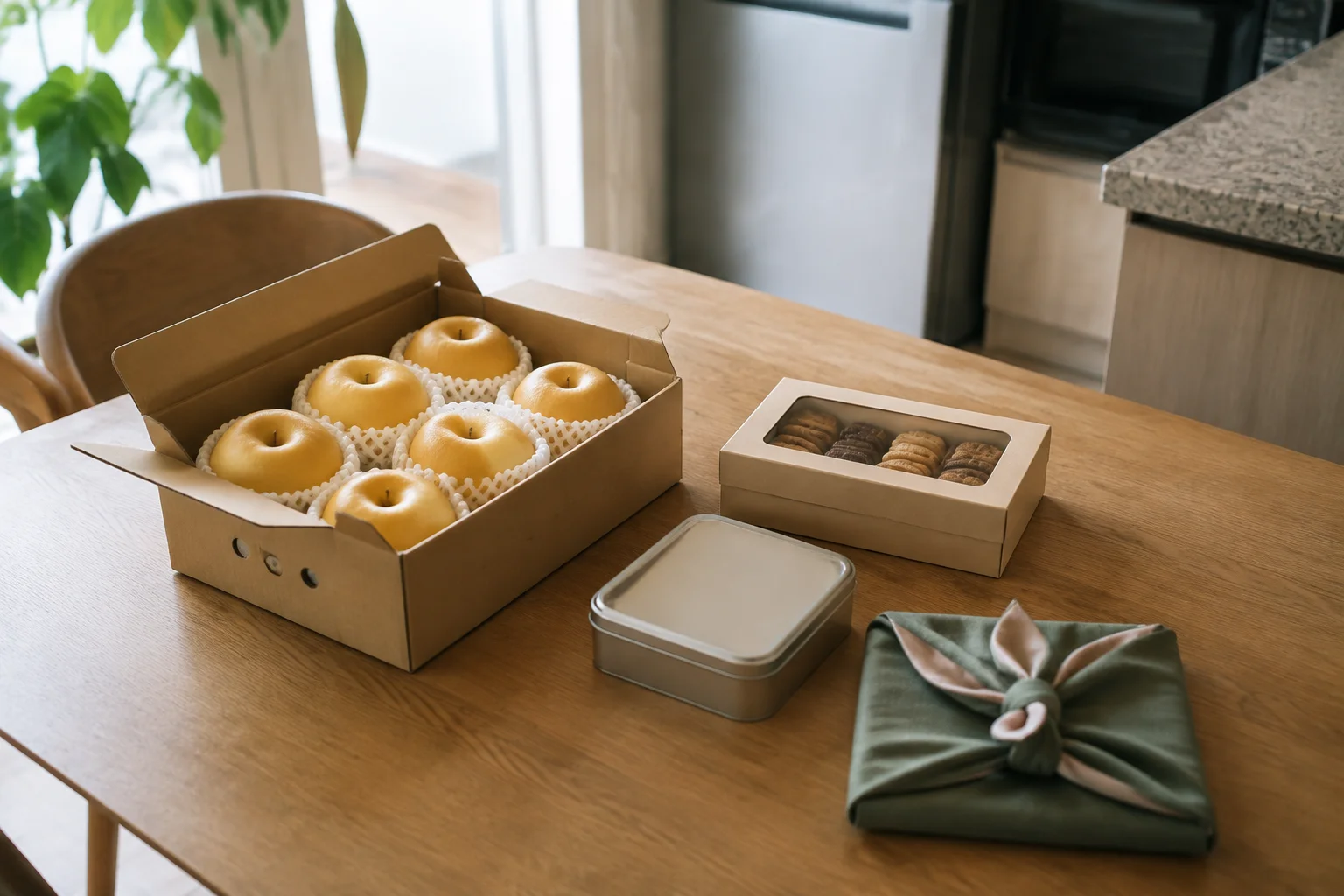
First distinguish a dinner invitation, a housewarming, and a major family occasion. They may all involve visiting a home, but they create different expectations. A box of cookies for a casual evening does not need to carry the same significance as a carefully discussed gift when meeting a partner’s parents.
Korea Tourism Organization’s 2026 guide to gifts rooted in Korean tradition emphasizes consideration and sincerity in choosing a present. A useful application is to ask what will make the recipient’s day easier or more pleasant. An impressive object is a poor fit if it creates storage problems, unwanted work, or pressure to reciprocate.
Use this table as a decision aid. These are practical suggestions, not compulsory categories or a ranking of what Korean people prefer.
| Situation | A useful starting option | Ask before buying | Avoid creating this problem |
|---|---|---|---|
| Casual dinner at a friend’s home | A small shareable snack or dessert | Is dessert already planned? | Bringing a second large cake nobody needs |
| First meeting with a partner’s family | A neatly presented food or tea gift | What does the family actually enjoy? | Choosing something expensive to make an impression |
| Housewarming after a move | A requested household item or consumable | What has already been purchased? | Duplicating supplies or adding bulky decor |
| Staying with friends for several nights | A personal thank-you matched to their interests | Would a meal or a practical contribution help more? | Treating hospitality like a bill to settle |
| A holiday invitation | Something agreed with the person inviting you | Is the gathering casual or more formal? | Assuming every family follows the same holiday routine |
For food, check whether the household wants it and can eat it. A label that remains with the gift is more useful than your memory of the ingredients. For tea or coffee, ask whether the recipient drinks it and has the equipment it needs. A bag of whole beans is less convenient for someone without a grinder.
A short question often prevents an awkward purchase: “I’d like to bring something small. Would fruit or dessert be useful?” If your host clearly asks you to bring nothing, respect that answer. You can express thanks through a warm message, help offered at an appropriate moment, or another gesture you discuss together.
Korean Housewarming Gifts: Why Toilet Paper Comes Up
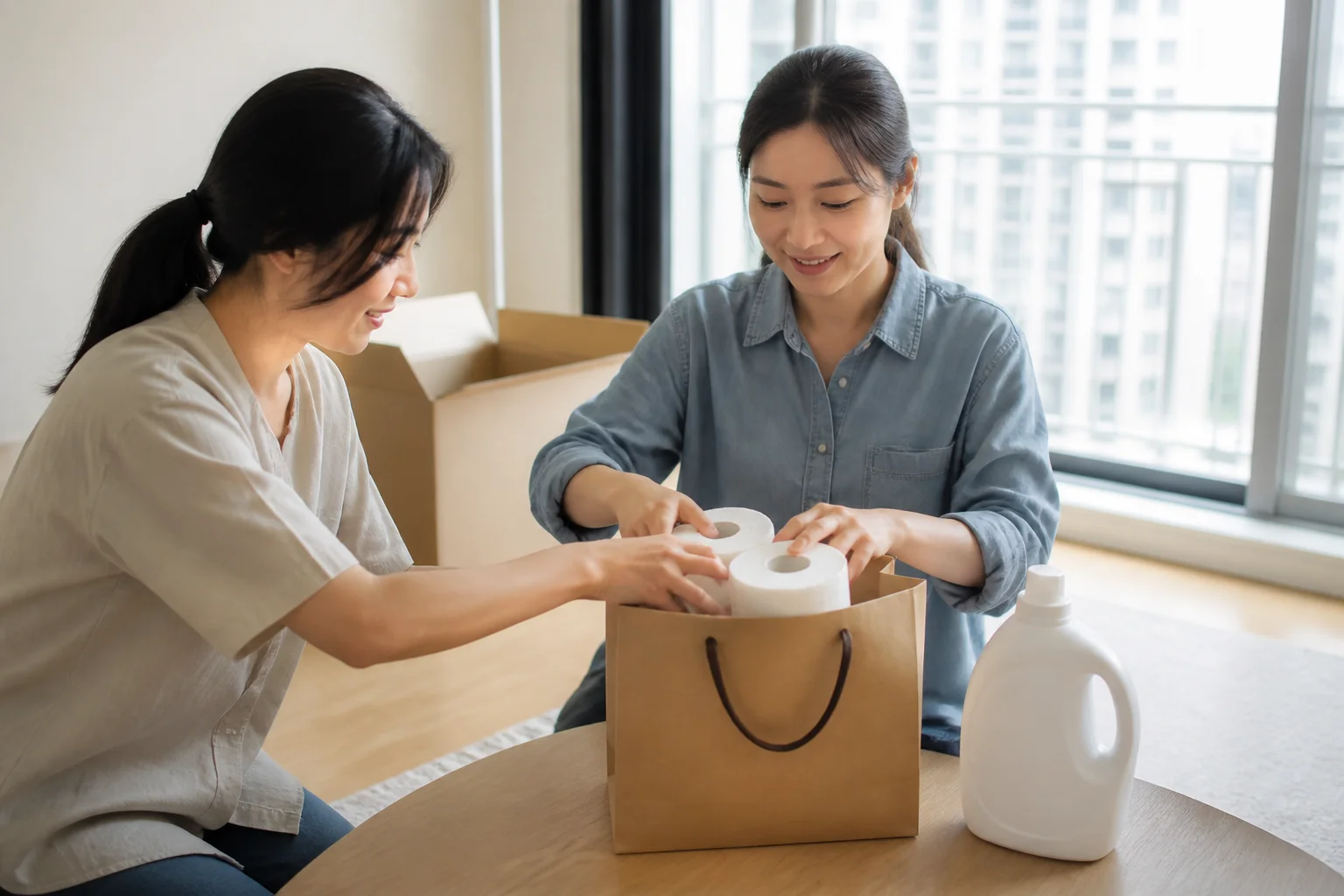
Jipdeuri (집들이) means a housewarming gathering. The National Institute of Korean Language’s Korean-English dictionary describes it as inviting people close to you to see a home and share food after moving. This is the occasion behind the familiar advice about bringing household supplies.
Toilet paper is a real housewarming reference, rather than a joke invented for visitors. A Korea.net interview about a student’s life in Korea recounts the explanation that its smooth unrolling expresses a wish for things to go smoothly. Treat that as an account of the symbolism, not proof that every host expects a pack.
An older U.S. Navy welcome guide for Korea, in its section on gifts, also records tissues, soap, and laundry detergent as household presents. It helps explain why a practical item can communicate care in this setting.
For your own purchase, consider the recipient’s space and routines. A person moving into a compact apartment may prefer a small requested item over a giant multipack. Detergent is useful only if the product suits the washing machine and the household’s preferences. Keep products in their original sealed packaging with their instructions and labels intact; the simplified packaging in this article’s illustrations is not a packing recommendation.
Try this housewarming checklist:
- Confirm that the invitation is actually celebrating a move.
- Ask the host or the friend organizing the gathering what is still needed.
- Check whether other guests are already buying the same thing.
- Select an amount the household can store comfortably.
- Arrange delivery only with the recipient’s agreement and correct address.
- Keep any exchange information available without discussing the price at the party.
A requested mug, kitchen towel, or small pantry item can be more personal than the most frequently mentioned traditional gift. Do not let symbolism replace the information your friend has given you. If you already know their favorite snack, that knowledge is a good reason to use it.
How to Wrap and Present a Gift
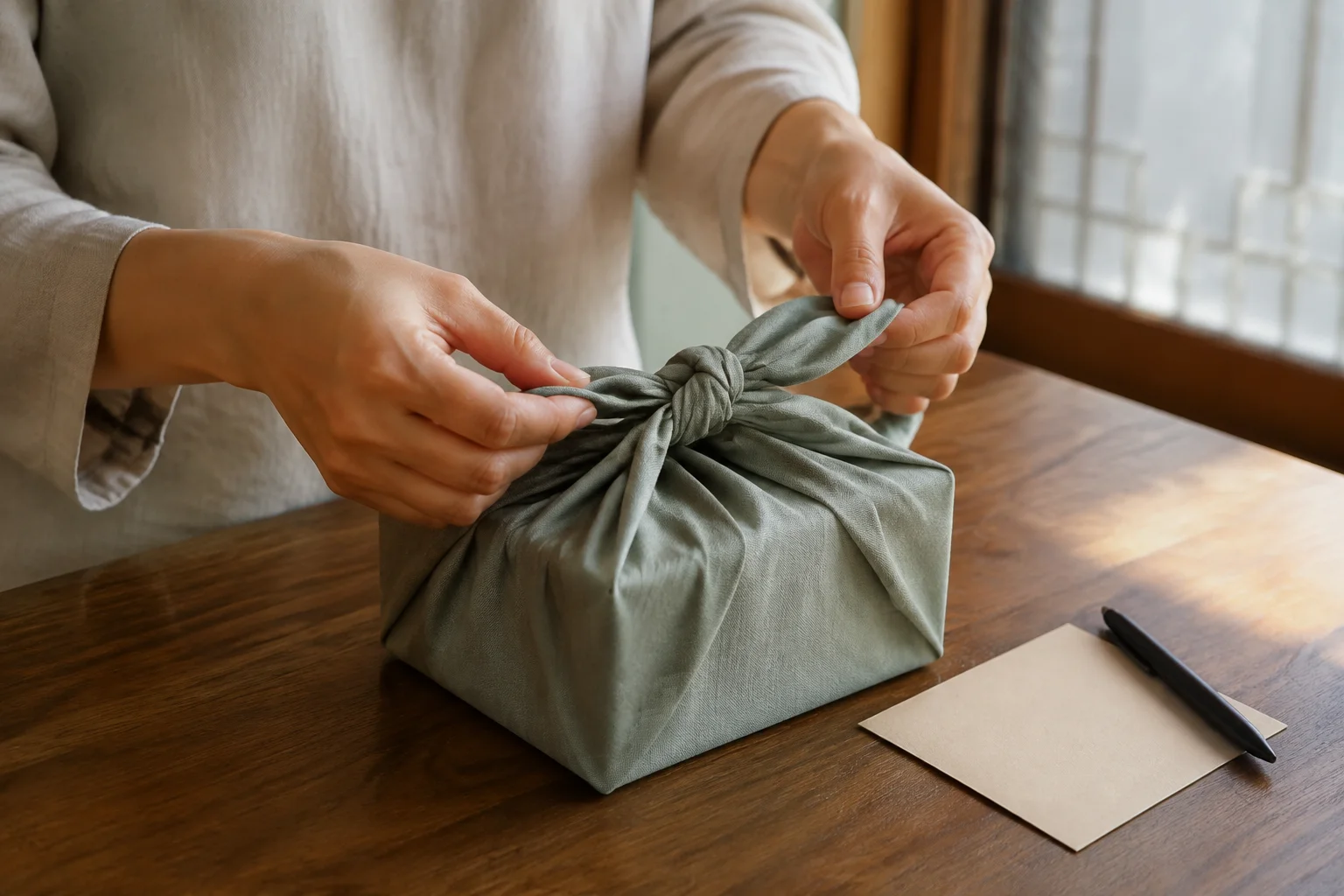
Aim for a package that is tidy, easy to carry, and simple to open. You do not need elaborate ceremonial wrapping for a casual visit. Remove an obvious price sticker when possible, but keep ingredient lists, care instructions, and product information attached. Place a purchase receipt separately if it may be useful later.
Bojagi (보자기) is Korean wrapping cloth. Seoul Tourism Organization’s introduction to Korean gift wrapping presents it as a craft used to package gifts. A reusable cloth can be a thoughtful option, especially around a sturdy box, but it is optional. A clean paper bag with a protected food container can serve the practical purpose just as well.
If you choose cloth, test the package before leaving. Hold it from underneath and make sure the box cannot slide out. Do not assume a decorative knot is a load-bearing handle. For glass or ceramics, add suitable protection inside the box rather than relying on the outer fabric.
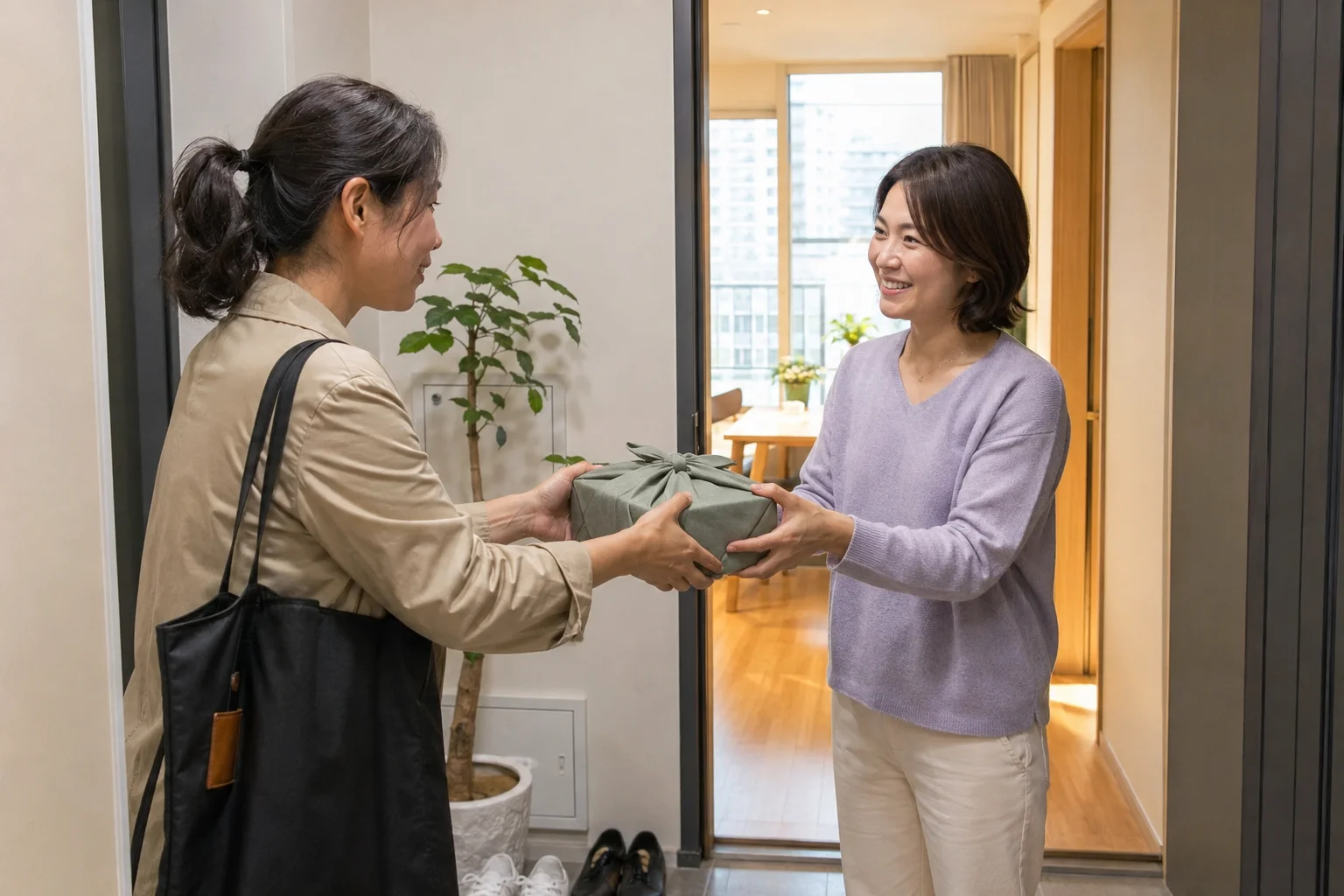
Offer the present with both hands when practical. This gesture is described in the Navy guide linked above and in The Korea Society’s educational gift-giving handout. Greet the host first, pause so they can receive it, and say a simple thank-you. If the box is heavy, ask where to put it instead of attempting an unstable handover.
Those older materials also describe opening presents later. Let your host decide when to open yours. A package set aside while dinner is being prepared is not a reliable sign of disappointment. Likewise, if someone opens it immediately, there is no need to correct them using a rule you read online.
For a card, a short personal note is enough. The Korea Society handout advises against signing in red ink; blue or black is a straightforward choice. Its broader wrapping-color rules are not a reason to assume contemporary store packaging is offensive. When a recipient has a specific preference or family custom, follow what they tell you.
Tips for Beginners: Buying a Gift without Overspending
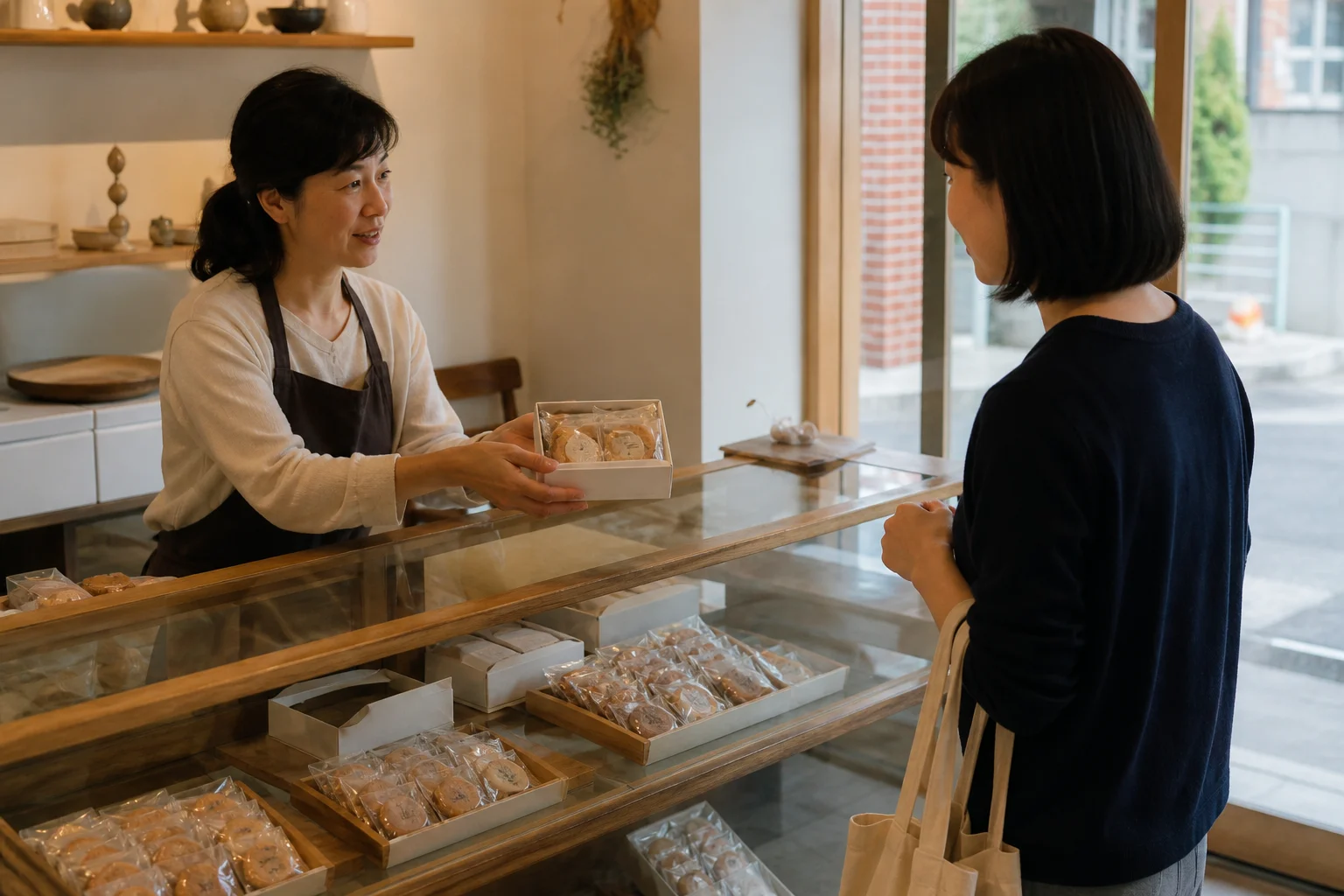
Start with a personal spending ceiling before entering a shop. There is no verified nationwide amount in the sources used here that tells a visitor what they must spend on a private dinner gift. A modest item chosen well is easier to manage than an expensive set selected under pressure.
The Korea Society’s gift-giving handout cautions that an overly expensive present can burden a recipient who feels expected to return the gesture. Apply that idea by considering your relationship and the scale of the invitation. Do not try to calculate the cost of the host’s meal and match it like a restaurant payment.
Choose a shopping method that fits the time and information you have:
- A nearby bakery: Useful when the host welcomes dessert. Ask about ingredients, storage, packaging, and how soon the food should be eaten.
- A grocery shop: Practical for fruit, drinks, or requested household supplies. Check quantity and condition instead of paying for a large box you cannot carry.
- A tea or coffee shop: A good possibility when you know the recipient’s tastes. Confirm brewing requirements and whether they prefer caffeinated drinks.
- A museum shop: Worth considering for someone who enjoys design or cultural objects. Check that the item suits their home rather than buying solely because it is locally themed.
For that last option, KTO’s March 2026 gift guide lists MU:DS at the National Museum of Korea and K-Heritage stores at cultural landmarks. It includes practical textiles and small decorative pieces among its examples. These are possibilities to browse, not guaranteed stock recommendations. Check the shop’s own current opening information before making a special trip.
If you are traveling across the city first, choose something that tolerates the journey. Ask the seller whether a chilled dessert will remain suitable until you arrive. A delicate box balanced on top of luggage is an avoidable complication. Plan the purchase near the end of your route, and tell the host if something needs attention immediately.
For a broader view of shopping areas, see our Korea shopping guide. If you are considering cooking ingredients for a friend who enjoys Korean food, our sesame oil versus perilla oil guide explains why those bottles serve different tastes and uses. Buy ingredients because the recipient wants them, rather than treating every Korean food product as an interchangeable souvenir.
Common Mistakes to Avoid
The most useful question is not “Is this traditionally lucky?” but “Will this work for the person receiving it?” Keep these common planning mistakes in mind.
Buying a gift for an imagined stereotype. A Korean host may dislike sweets, have no interest in skincare, or prefer a particular kind of coffee. Nationality does not tell you their taste. Ask the person who invited you or someone who knows the household.
Choosing food with no usable ingredient information. Keep the original label and check preferences before buying. Do not promise that something is suitable for a dietary restriction just because the visible ingredients look simple. Our Korean restaurant phrase guide includes vocabulary that can help you communicate food questions while shopping or dining.
Bringing alcohol without checking. A bottle may suit a friend who enjoys it, but it should not be the automatic option. Ask whether alcohol is welcome, rather than expecting everyone to drink because it is a social occasion.
Selecting strongly personal products for a new acquaintance. Fragrance, clothing, skincare, supplements, and large decorative objects require information you may not have. A known favorite can be thoughtful; an unsolicited attempt to improve somebody’s appearance or health can send a message you did not intend.
Requiring the host to use the gift immediately. An unplanned dish can complicate a prepared meal. Flowers can require a vase and space. A chilled item can require refrigerator rearrangement. Explain practical needs briefly and let the host decide what to do.
Turning a clear refusal into a performance. If someone cannot accept a gift, do not insist repeatedly or leave it behind secretly. Ask whether a written thank-you would be welcome. This article concerns private social visits; a professional or institutional relationship should not be treated as the same situation.
Using superstition lists as a test of cultural knowledge. Avoid presenting every color, number, or object as universally forbidden. If you are unsure about a highly symbolic gift, choose something simpler or ask. The purpose of learning etiquette is to be considerate, not to judge the host’s behavior.
A Simple Home-Visit Plan and Four Useful Phrases
Before leaving, confirm the address, arrival time, and how to enter the building. Ask whether you should call from the entrance or use the intercom. Keep the gift accessible so you are not unpacking a suitcase in the doorway.
At the entrance, greet the host and follow their direction about where to place your things. Removing outdoor shoes before entering the living space is described in the Korea Society’s home-etiquette material. Choose footwear you can remove comfortably and avoid blocking the entry while other guests arrive.
You can keep your Korean brief. These polite phrases work as simple, practical examples; you do not need to memorize a speech. Romanization is an approximate reading aid, so keep the Hangul visible if you need to show a message.
| Korean | Reading aid | Meaning and use |
|---|---|---|
| 초대해 주셔서 감사합니다. | Chodaehae jusyeoseo gamsahamnida. | Thank you for inviting me; useful when you arrive. |
| 작은 선물이에요. | Jageun seonmurieyo. | It’s a small gift; a simple introduction to what you brought. |
| 어디에 놓을까요? | Eodie noeulkkayo? | Where should I put it? Helpful for a bag or heavy box. |
| 잘 먹었습니다. | Jal meogeotseumnida. | Thank you for the meal; said after eating. |
During the visit, offer help when it seems useful, but let the host direct you. Avoid opening cupboards, rearranging the table, or taking photographs of a private home without asking. These are practical ways to reduce work and respect personal space, regardless of the family customs involved.
Afterward, send a short message that mentions something specific you appreciated: the conversation, a dish, or the effort of hosting. A sincere detail is more personal than listing everything you did to follow etiquette. If the next meeting is in a cafe, our Korean cafe etiquette guide covers ordering, seats, and tray return.
Your Next Step
Send one preference question to the person inviting you, choose a gift you can comfortably carry, and save the phrase for thanking your host. You will arrive with something more useful than a complicated rulebook: a clear plan and room to enjoy the visit.
Images are original AI-generated editorial illustrations of typical situations, not photographs of named people, shops, or a documented home visit.