2025 Complete Guide to Must-Visit Museums in Korea (Tips for First-Time Visitors)
Quick Info
- 📍 Area: Seoul (core) + Jecheon, Chungcheongbuk-do (day trip/overnight)
- 🕒 Best time: Spring & fall for pairing museums with nearby sights; summer/winter for comfortable indoor visits
- 💰 Budget: Low: many permanent exhibits are free; plan extra for special exhibitions and paid tea experiences
- 🚇 Getting there: Subway/bus in Seoul; intercity bus/train to Jecheon + local taxi/bus
- 👥 Best for: First-time Korea visitors, culture/history lovers, families, rainy-day planners
- ✅ TL;DR: Prioritize National Museum of Korea + National Folk Museum in Seoul for a solid overview, then add Jecheon Tea Culture Museum for hands-on tea experiences.
Before you dive in
If any part of this guide feels useful, take 10 seconds to bookmark it.
Museums in Korea aren’t just rainy-day backups—they’re some of the most efficient, high-impact ways to understand the country’s history, aesthetics, everyday life, and modern identity in a single afternoon. For first-time visitors especially, museums can help “connect the dots” between what you see on the street (palaces, temples, hanok neighborhoods, markets, K-pop, cafés) and the deeper stories behind them.
This guide focuses on three standout museums that represent three different travel moods:
- A big, comprehensive national collection (ideal if you only have one museum day)
- A family-friendly deep dive into traditional daily life
- A slow-travel regional museum where you can actually do something (tea culture experiences) rather than only look
Along the way, you’ll find decision-making tips: what costs money vs what’s free, which options are cheaper, when you should reserve, what typically sells out, and how to avoid common first-timer mistakes.
Complete Guide to 한국 방문 시 꼭 가봐야 할 박물관
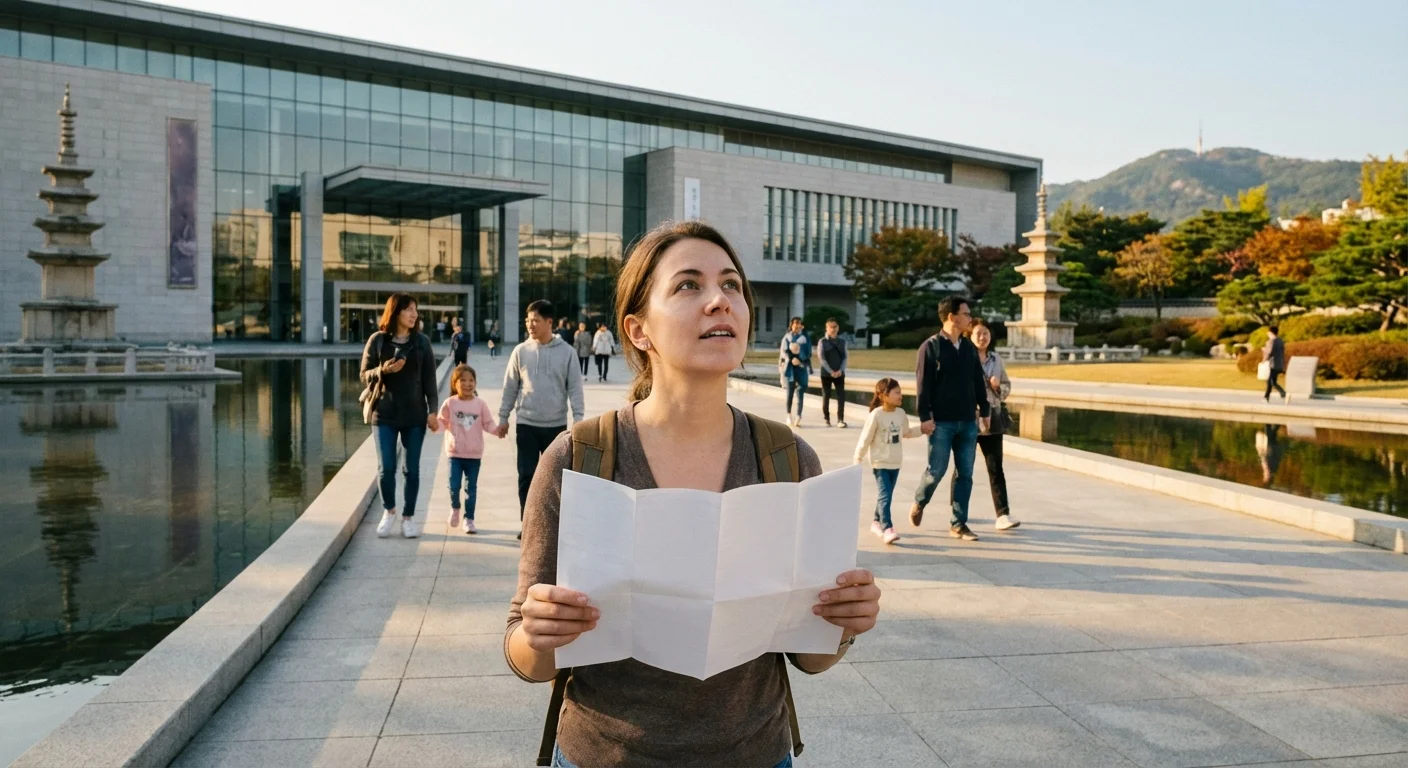
If your goal is “I want to understand Korea quickly,” museums are one of the best-value choices in your itinerary. Compared with many paid attractions, Korea’s national museums often offer free permanent exhibitions, and even when special exhibitions have fees, they’re usually priced far below the cost of a theme park or private tour (check current prices because exhibition pricing can change).
How to choose the right museum (fast decision guide)
Pick based on your travel style and time:
- You want the broadest overview (history + art + artifacts): Start with the National Museum of Korea (국립중앙박물관) in Seoul. It’s the “one stop” that can anchor your whole trip.
- You’re traveling with kids or you love social history: Add the National Folk Museum of Korea (국립민속박물관). It’s especially helpful for understanding traditional housing, family life, seasonal customs, and daily tools.
- You want something beyond Seoul with hands-on culture: Consider the Jecheon Korean Tea Culture Museum (제천 한국차문화박물관), particularly if you enjoy tea, wellness travel, or a slower pace.
Budget expectations (as of 2025/2026, typical ranges—check current prices)
Because admission policies vary by exhibition and program, think of your costs in categories:
- Permanent exhibitions at major national museums: often free (supported by the research summary for the two Seoul museums).
- Special exhibitions: paid at some museums; pricing varies by show and season (check current prices).
- Hands-on programs (tea tastings, guided experiences, workshops): often require a small fee at regional specialty museums; fees vary by program level and inclusions (check current prices).
If you’re trying to keep costs low, prioritize places with free permanent galleries, then selectively pay for one special exhibition or experience that matches your interests.
Where to book (and when you actually need it)
- For large national museums, you can often walk in for permanent displays, but special exhibitions and experience programs may have reservation or timed-entry systems. Always confirm on the official website before you go.
- For regional museums with limited capacity experiences, it’s smart to reserve in advance, especially on weekends and during peak travel seasons.
What to avoid
- Trying to “do everything” in one museum. Big museums can be physically and mentally exhausting; instead, plan a highlights route.
- Skipping closure-day checks. Some museums close on certain weekdays or have seasonal schedule changes.
- Assuming every program is walk-in. Many cultural experiences require pre-booking.
Seoul Essentials: National Museum of Korea (국립중앙박물관)
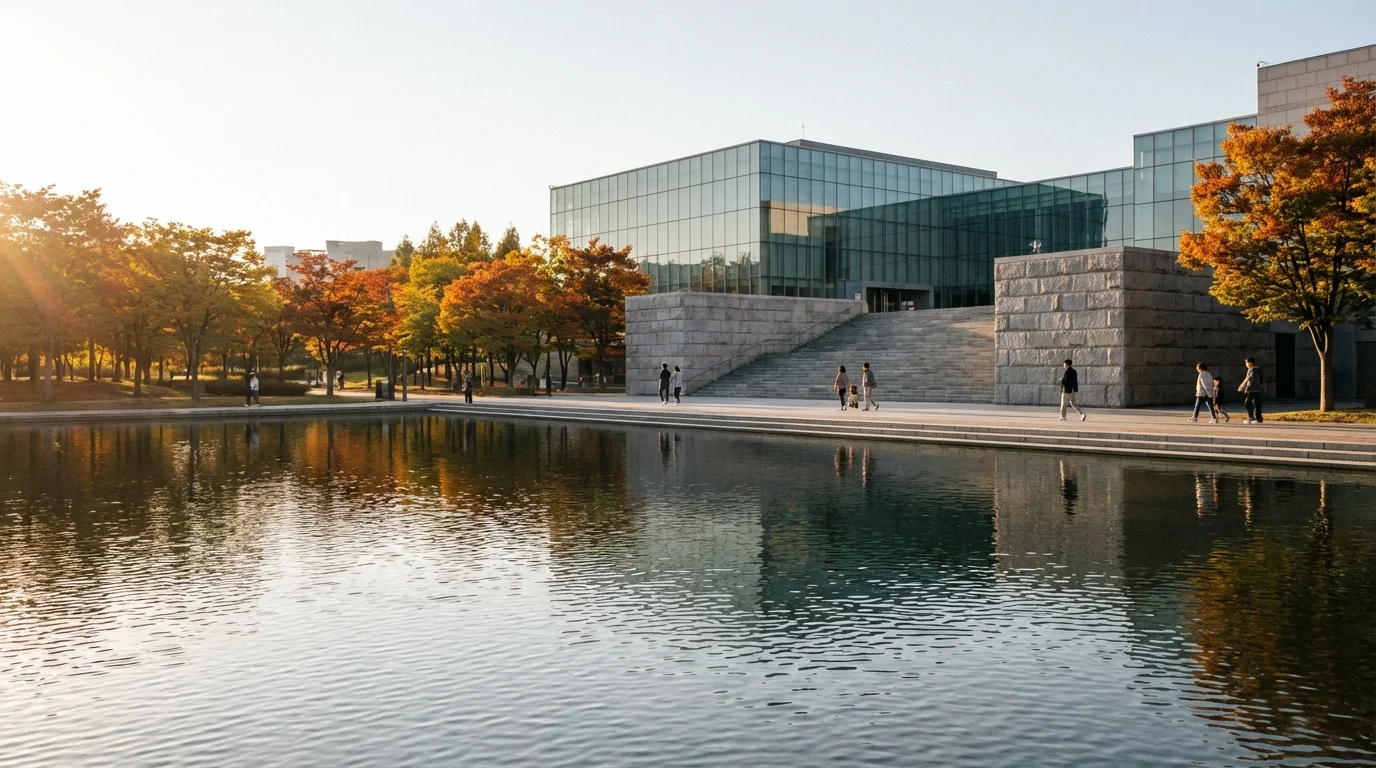
If you’re only going to visit one museum in Korea, make it the National Museum of Korea. It covers an enormous span—from prehistoric eras to modern times—and it’s designed for both casual visitors and serious museum lovers.
Why it’s worth your time
- Scope: You’ll see major artifacts and art across centuries, giving you a framework for everything else you experience in Korea.
- Visitor-friendly: It’s a strong choice for first-timers because you can tailor your visit—short and focused, or long and immersive.
- Cultural programs: Beyond displays, the museum is known for offering cultural experience programs (availability varies; check current schedules and reservation requirements).
Hours (from the research summary)
- Tue–Sun 10:00–18:00
- Wed & Sat extended to 21:00
- Closed Mondays (typical for many museums—still, verify for holidays).
Extended evening hours are a major advantage: it’s often less crowded, and you can visit after daytime sightseeing.
Admission & costs (anti-hallucination compliant)
- Permanent exhibitions: Free (supported by the research summary).
- Special exhibitions: Paid (supported by the research summary).
Price ranges depend on the exhibition; treat this as a typical paid add-on and check current prices before you finalize your plan.
Cheaper option: Stick to permanent galleries (free) and spend your budget on one paid exhibition only if the theme truly matches your interests (e.g., a limited-time national treasure show).
How long to spend (decision-making)
- 90 minutes: Choose 1–2 major sections and do a highlights-only route.
- 2–3 hours: A balanced first visit that still leaves time for dinner or another attraction.
- Half-day: Ideal if you love reading labels, want photos, and plan to join a program.
A common mistake is arriving late and realizing the museum is bigger than expected. If you’re using evening hours (Wed/Sat), you can comfortably do a deeper visit without sacrificing your daytime itinerary.
Booking tips: when you should reserve
- Permanent collection: usually walk-in friendly.
- Special exhibitions / programs: may require advance reservations depending on the format. If you see time slots or capacity limits online, book early—especially for weekends.
What to avoid at the National Museum of Korea
- Over-scheduling your day: The museum can be a “step-count marathon.” If you’re combining it with other major sights, pair it with something light (a café stop or a riverside walk).
- Ignoring program timing: If you want a cultural activity, plan your visit around the program start time rather than hoping something is available when you arrive.
- Not checking exhibit rotations: Special exhibitions change. If you’re traveling specifically for one, confirm dates and ticketing rules before you go.
Practical money-saving strategy (as of 2025/2026)
- Start with the free permanent galleries.
- If you’re considering a paid special exhibition, compare it against other paid activities on your list (shows, observation decks, tours). For many travelers, one paid exhibition can be a better value than multiple small paid attractions—just make sure it aligns with your interests.
Traditional Life & Family Stops: National Folk Museum of Korea (국립민속박물관)
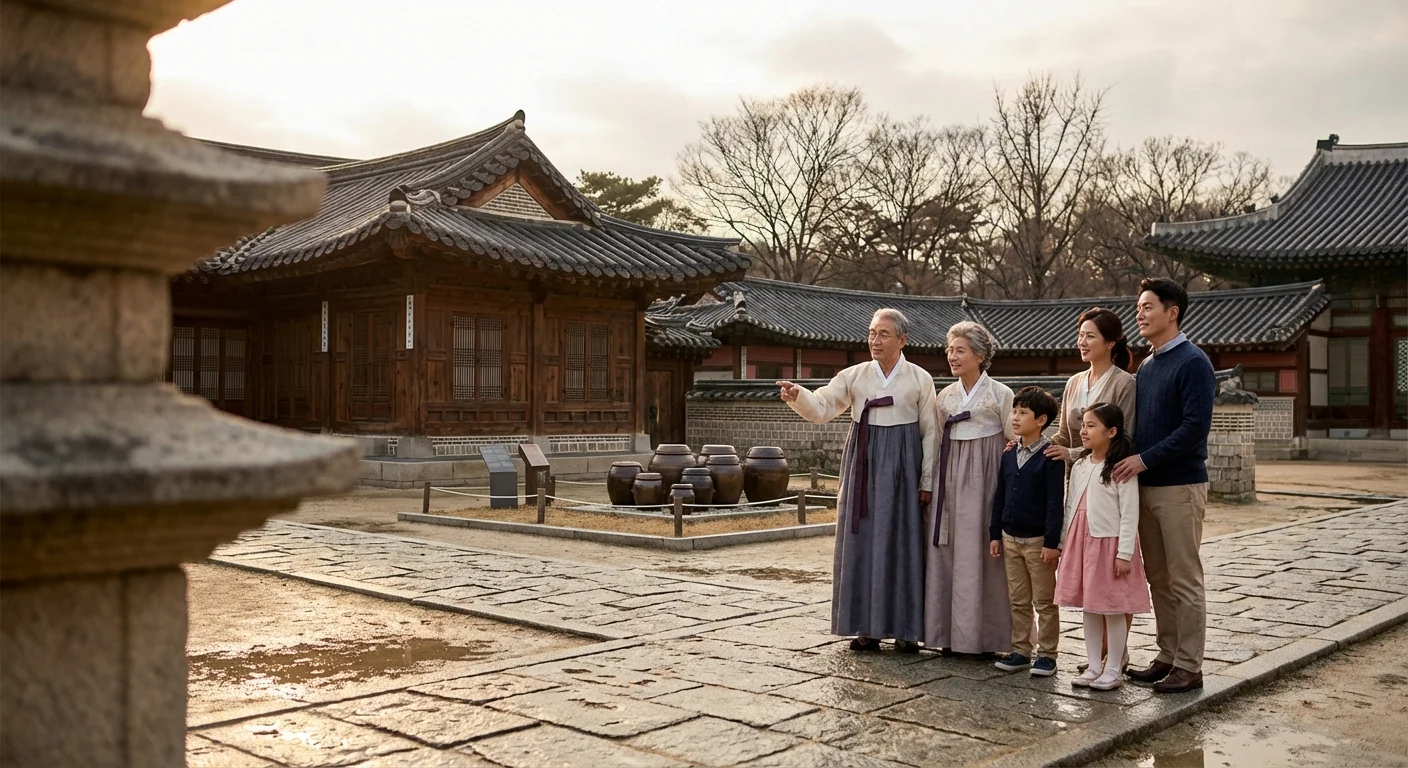
The National Folk Museum of Korea is one of the best places to understand what life looked and felt like for ordinary Koreans—housing, family structure, work, celebrations, and seasonal rhythms.
For first-time visitors, this museum is especially helpful because it explains cultural references you’ll see everywhere: traditional holidays, symbolic objects, and daily-life tools that appear in dramas, markets, and historic villages.
Why it’s a top pick (especially for families)
- Accessible storytelling: Folk museums tend to be more intuitive than dynasty timelines—people connect instantly with kitchens, clothing, and everyday objects.
- Family-friendly appeal: The research summary notes it’s popular with family visitors, and that matches the on-the-ground reality: it’s easier to keep kids engaged with “how people lived” exhibits.
- Great cultural context: It complements palace visits and hanok neighborhoods by adding the “human layer” to architecture and history.
Hours (from the research summary)
- Daily 09:00–18:00
- Wed & Sat extended to 21:00
Even if you don’t do a full museum day, this makes a strong late-afternoon/evening option on your Seoul schedule.
Admission & costs
- Free admission (supported by the research summary).
Cheaper option: This is one of the easiest “yes” decisions in Seoul because it’s high value and low budget impact. If your travel budget is tight, prioritize free museums like this and allocate funds to transportation, food, and one or two paid experiences elsewhere.
How long to spend (decision-making)
- 60–90 minutes: Great for a quick cultural overview.
- 2 hours: Comfortable pace with photo stops and time to read explanations.
- Half-day: Best if you’re traveling with kids, or if you enjoy slow, detail-rich exhibits.
Where/when to book
General museum entry is free, but if you’re aiming for a special activity, guided program, or seasonal event, check the official site for:
- reservation requirements,
- capacity limits,
- language availability (Korean vs English sessions).
If you see limited spots, reserve early—weekends and school holiday periods can fill up quickly.
What to avoid
- Treating it like “just another museum”: This one is most rewarding when you connect it to what you’re seeing outside. If you’re visiting a palace or a hanok area, do the Folk Museum the same day or the next day so the details feel fresh.
- Not timing your visit: If you’re sensitive to crowds, choose weekday mornings or the extended evening hours (Wed/Sat) when possible.
- Skipping the “everyday objects” sections: Many visitors rush to the most photogenic displays and miss the practical items that actually explain historical lifestyles.
Pairing ideas (itinerary logic)
- Culture day: Palace area + Folk Museum + traditional market meal
- Family day: Folk Museum + hands-on activity (if available) + easy café stop
- Budget day: Free museum + free walking route + one paid treat (dessert, performance, or transit day pass depending on your plan—check current prices)
Beyond Seoul: Jecheon Korean Tea Culture Museum (제천 한국차문화박물관)
If Seoul’s museums help you understand Korea at a national scale, the Jecheon Korean Tea Culture Museum offers something different: a focused theme (tea culture) and a chance to experience tradition at a calmer pace.
This is a great option if:
- you’re building a slower itinerary,
- you want to include regional travel beyond Seoul,
- you love tea, ceramics, or wellness-style experiences,
- you prefer interactive culture over large galleries.
Why it’s worth the detour
- Deep focus on tea culture: Instead of broad history, you get a specialized lens that feels personal and sensory.
- Experiences available: The research summary notes tea culture experiences and tastings, sometimes with explanations by a master (program formats vary; confirm what’s running during your visit).
- A different travel tempo: Regional museums often feel less rushed and less crowded than major capital-city sites.
Hours & closure days (from the research summary)
- Open 10:00–18:00
- Closed Monday & Tuesday
This closure pattern is important for itinerary planning. If you’re planning a multi-city loop, avoid placing Jecheon on a Monday/Tuesday unless you’ve confirmed special openings.
Admission & costs (as of 2025/2026 guidance—check current prices)
- The museum has a small admission fee (supported by the research summary), and experiential programs (guided explanation, tea tasting) may be additional depending on the package.
Because the research summary does not provide exact amounts, use this decision rule:
- If you only want to see exhibits, budget for a low, typical entry fee (check current prices).
- If you want the full tea experience, budget for a higher program fee than entry alone (still usually reasonable compared with private tours; check current prices and inclusions).
Cheaper option: Choose basic admission and skip add-ons unless tea culture is a highlight of your trip.
Better value option: If you’re already traveling to Jecheon, the paid experience can be the whole point—compare program tiers and pick the one that includes tasting and a guided explanation if available.
Where to book
For specialty museums with limited capacity experiences:
- Look for a program reservation page and confirm whether your desired session is walk-in or pre-book only.
- If you’re traveling on a weekend, reserve as early as your schedule allows.
- If you have dietary restrictions or need an English-friendly session, check program notes and contact the museum in advance if needed.
What to avoid
- Assuming it’s open daily: It’s closed two days a week (Mon/Tue), which is easy to overlook.
- Arriving too late for programs: Tea experiences often have set start times and may stop accepting participants well before closing.
- Overpacking your day: Tea culture is best enjoyed slowly. Avoid squeezing this between multiple high-energy attractions.
Who will love this museum most
- Tea lovers and café travelers looking for the “roots” behind modern Korean tea and café culture
- Travelers who enjoy hands-on cultural activities
- Repeat visitors to Korea who want something beyond the classic Seoul circuit
- Anyone planning a seasonal trip (tea culture experiences can pair beautifully with spring or autumn scenery)
Tips for First-Time Visitors
Museums in Korea are generally well organized and visitor-friendly, but a few smart habits will make your first visit smoother and more enjoyable.
1) Use the “one museum = one neighborhood” rule
For first-timers, the biggest energy drain is transportation plus decision fatigue. Try pairing each museum with nearby sights rather than hopping across the city multiple times. This reduces transit costs and keeps you from arriving tired.
2) Decide in advance: free permanent galleries vs paid special exhibitions
A simple approach:
- If your budget is tight, prioritize free permanent exhibitions (both Seoul museums in this guide).
- If you want one premium museum moment, choose one special exhibition that truly matches your interests and check current prices and time slots.
3) Aim for extended evening hours when available
Both Seoul museums listed here have extended hours on Wednesday and Saturday (until 21:00) according to the research summary. That’s a powerful tool for:
- avoiding peak crowds,
- making your museum visit fit around daytime tours,
- enjoying a calmer, less rushed pace.
4) Don’t underestimate museum fatigue
Even enthusiastic travelers hit a wall—big museums require standing, reading, and walking. Plan:
- a café break,
- a short “sit and reflect” stop,
- a realistic exhibit list (highlights first, extras if you have energy).
5) If you care about programs, plan around them
Cultural experience programs can be the most memorable part of a museum visit, but they’re also the most likely to require:
- reservations,
- limited capacity,
- fixed start times.
Build your day around the program rather than treating it like an optional add-on.
What to Know Before You Go
This section is your practical checklist for avoiding last-minute surprises.
Confirm reservations and entry rules
Some museums and exhibitions use:
- timed entry,
- capacity limits,
- separate ticketing for special exhibits.
Even if general entry is free, special exhibitions may still require booking or tickets. Always check official announcements and “today’s hours” before leaving your accommodation.
Check closure days (they vary)
- National Museum of Korea: open Tue–Sun (per research summary).
- Jecheon Korean Tea Culture Museum: closed Mon & Tue (per research summary).
- Others can vary on holidays or for maintenance—confirm close to your travel date.
Plan your transit ahead of time
Museums are easier when you:
- map your route in advance,
- estimate total transit time,
- avoid arriving too close to last entry (if applicable).
If you’re using public transportation, a little pre-planning saves a lot of stress—especially in Seoul during busy commuting hours.
Budget planning without guessing exact prices (as of 2025/2026)
Since special exhibition prices and program fees can change:
- Treat free museums as your baseline.
- For paid items, set a flexible range in your daily budget (a “museum add-on buffer”) and then check current prices once your dates are fixed.
Budget mindset example (ranges, typical—check current prices):
- Budget travelers: prioritize free permanent exhibitions + one low-cost cultural experience on a single day.
- Mid-range travelers: add one paid special exhibition in Seoul + one paid regional experience (like tea culture) on another day.
What to bring
- Comfortable shoes (you’ll walk more than you expect)
- A light layer (museums can feel cool in summer)
- A small notebook or saved phone notes if you like to remember exhibit names and places to revisit
- A power bank if you plan to translate labels or use audio guides/apps (availability varies)
Seasonal Planning: Best Times to Visit + Weather-Proof Ideas
Korea is a four-season country, and museum planning changes more than you might think depending on heat, rain, and daylight.
Spring (best for balanced itineraries)
Spring is ideal for pairing museums with outdoor sightseeing because the weather is often mild.
Best strategy:
- Do a museum in the late morning or early afternoon.
- Follow with a walk, palace grounds, or a neighborhood café route.
What to avoid: Overbooking your day during peak spring travel weeks. If you want special exhibitions or programs, reserve earlier than you think you need to.
Summer (your best heat-escape plan)
Museums shine in summer because they’re indoor, structured, and comfortable when the streets feel hot and humid.
Best strategy:
- Schedule museums during the hottest hours.
- Save outdoor markets and scenic walks for evenings.
Weather-proof idea: Use extended evening hours in Seoul (Wed/Sat for the museums in this guide) to avoid midday heat and crowds.
Autumn (best for museum + scenery combos)
Autumn is another top season because you can mix cultural depth with iconic scenery.
Best strategy:
- Start the day with an outdoor attraction (when the light is best).
- Use a museum for a mid-day reset.
- End with a sunset walk or dinner.
What to avoid: Weekend crowding. If your only free day is Saturday, consider arriving earlier or using evening hours.
Winter (best for cozy, indoor culture days)
Winter is perfect for museums, but you need to be a bit more careful with schedules.
Best strategy:
- Plan museum-heavy days when it’s coldest.
- Confirm winter hours and holiday closures close to your trip date.
What to avoid: Assuming hours never change. Always verify operating times in winter, especially around year-end holidays.
Korea’s museums reward curiosity: whether you’re chasing national treasures in Seoul, learning the rhythms of traditional daily life, or slowing down with tea culture in Jecheon, you’ll leave with a richer, more connected sense of the country—so choose the museums that match your interests, confirm hours and reservations, and enjoy building your own cultural highlights reel.
FAQ
Q: Which museums in Seoul are best for first-time visitors?
Start with the National Museum of Korea for a broad historical overview, then visit the National Folk Museum for everyday traditional life and family-friendly displays.
Q: Are these museums free to enter?
The National Museum of Korea’s permanent exhibitions are free (special exhibitions may cost extra). The National Folk Museum is free. Jecheon Korean Tea Culture Museum has a small admission fee and paid experiences.
Q: Do I need reservations for museums or experiences?
General entry is usually walk-in, but special exhibitions and hands-on programs (especially tea culture experiences) may require advance booking—check the official website before visiting.
Q: What are the typical opening hours and late-night days?
National Museum of Korea: Tue–Sun 10:00–18:00 (Wed/Sat often extended to 21:00). National Folk Museum: 09:00–18:00 (Wed/Sat often extended to 21:00). Hours can change seasonally, so confirm before you go.
Q: What should I know about closures and holidays?
Each museum has different closed days (e.g., Jecheon Tea Culture Museum is closed Mon/Tue). Always verify the exact closure schedule on the official site to avoid wasted trips.
What you can do next
Pick just one action from this guide and do it today—small steps add up.