Seoul Hotel Guide: Top 10 Stays (Myeongdong vs Hongdae vs Gangnam) + Tips
Quick Info
- 📍 Area: Seoul (Myeongdong, Hongdae, Gangnam)
- 🕒 Best time: Spring (Mar–May) and Fall (Sep–Nov); book early for cherry blossom and foliage weeks
- 💰 Budget: From ~100,000 KRW/night for mid-range; prices vary widely by season and weekends
- 🚇 Getting there: Subway is best; prioritize hotels within 5–10 minutes’ walk to a major station (transfer lines help)
- 👥 Best for: First-timers (Myeongdong), nightlife/creative vibes (Hongdae), business & upscale dining/shopping (Gangnam)
- ✅ TL;DR: Pick Myeongdong for sightseeing convenience, Hongdae for youthful energy and late nights, Gangnam for polished comfort and business access.
Before you dive in
If any part of this guide feels useful, take 10 seconds to bookmark it.
Complete Guide to 서울 호텔 추천 TOP 10(명동 vs 홍대 vs 강남 비교)
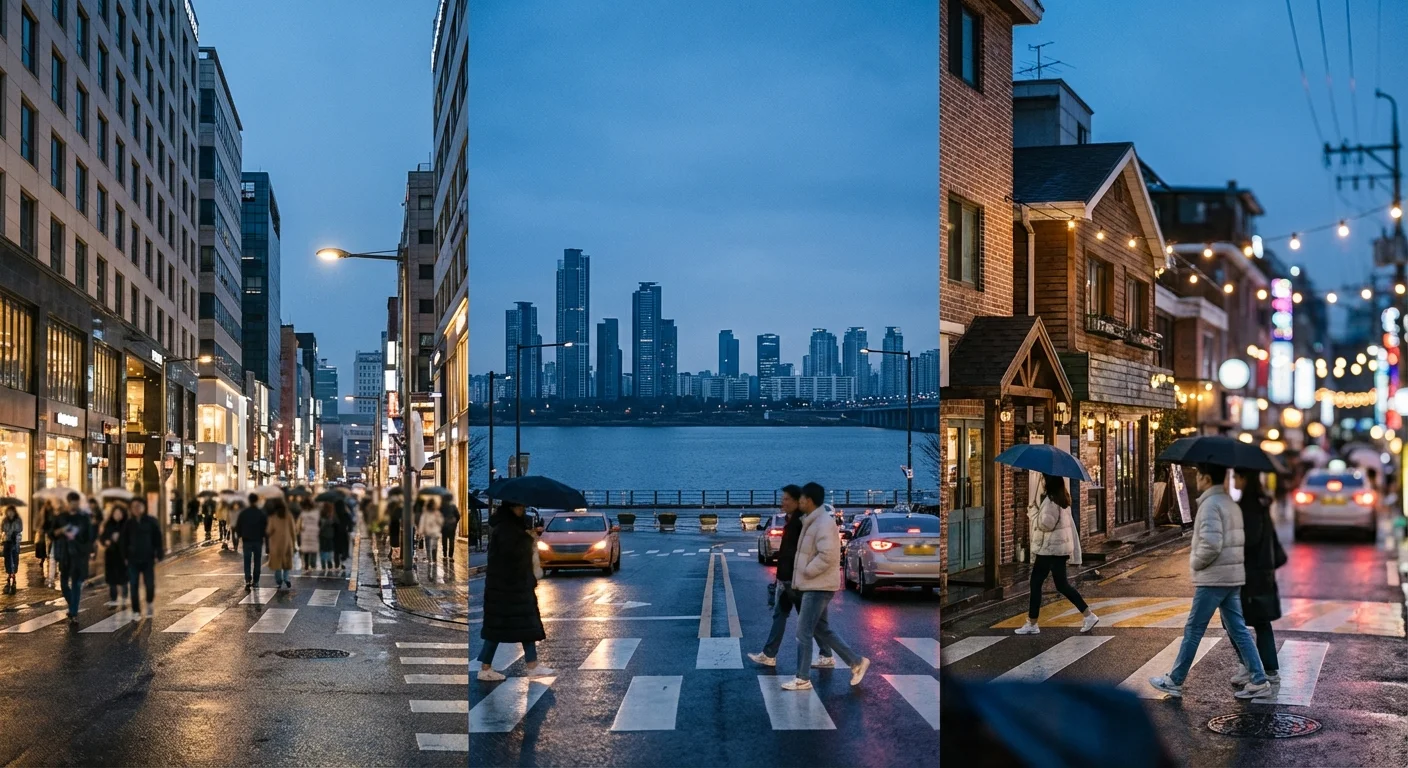
Choosing where to stay in Seoul can feel like picking the “right” version of the city. Myeongdong is classic Seoul—central, walkable, and packed with shopping and sightseeing. Hongdae is youthful and creative—cafes, street performances, late-night energy, and easy airport access. Gangnam is sleek and polished—business-friendly, upscale dining, and a more modern, spread-out city vibe.
This guide is built to help you make a decision quickly and confidently. You’ll find:
- A clear comparison of Myeongdong vs Hongdae vs Gangnam
- Top 10 hotel picks (by neighborhood)
- Typical price ranges (as of 2026/2027) and how seasons affect them
- Practical first-timer tips: transit, safety, and late-night returns
- Common booking mistakes to avoid—especially in Seoul where room sizes and locations can surprise visitors
- Sample itineraries for 2–4 nights based on your priorities
Throughout the post, you’ll also see gentle reminders to check current prices and compare deals—because Seoul hotel rates move fast with seasons, events, and weekends.
Myeongdong vs Hongdae vs Gangnam: Which Area Fits Your Travel Style?
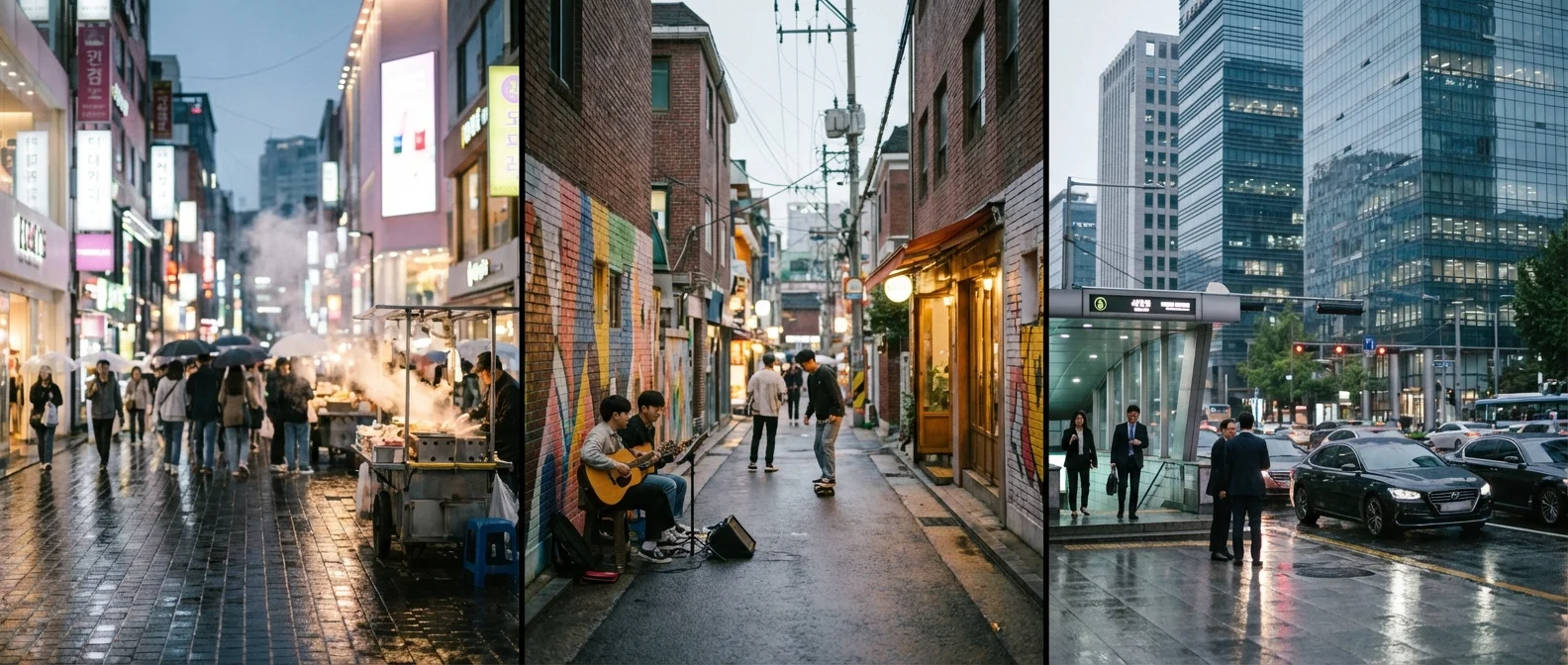
Myeongdong: Best for first-time sightseeing + shopping convenience
Why stay here:
Myeongdong is one of Seoul’s most convenient bases for classic tourist activities. You’re close to major sights, department stores, street food, and you can easily connect to different subway lines and bus routes. If you want to minimize transit planning and maximize “walk out and do things,” Myeongdong is hard to beat.
Best for:
- First-time visitors who want a central base
- Shoppers (skincare, fashion, department stores)
- Travelers who want a wide range of restaurants and cafes nearby
Potential downsides:
- Some streets are busy and bright late into the evening
- Hotels can book out quickly during peak travel periods
What to avoid: booking a “Myeongdong” hotel that’s actually a long uphill walk away—double-check the nearest subway station and walking time.
Hongdae: Best for nightlife, cafes, and airport convenience
Why stay here:
Hongdae (around Hongik University) is lively, artsy, and packed with coffee shops, indie boutiques, clubs, and late-night food. It’s also known for convenience to the airport area via rail connections, which makes it popular for short trips.
Best for:
- Night owls and social travelers
- Cafe-hoppers and street culture fans
- Travelers who want a vibrant neighborhood and strong transit links
Potential downsides:
- Can be noisy at night, especially on weekends
- Some accommodations are smaller or more “boutique”
What to avoid: if you’re a light sleeper, don’t book directly above main nightlife streets—check room reviews and ask for a higher floor.
Gangnam: Best for business, upscale dining, and a “modern Seoul” feel
Why stay here:
Gangnam is a business and luxury hub with polished malls, high-end restaurants, and a more spread-out city layout. It’s a great base if you have meetings, events, or want a calmer “after hours” atmosphere compared to Hongdae.
Best for:
- Business travelers and conference attendees
- Food-focused travelers who want trendy dining
- Visitors who like modern neighborhoods and wide sidewalks
Potential downsides:
- Not as central for first-time sightseeing as Myeongdong
- Some attractions require longer subway rides
What to avoid: assuming everything is “walkable” like central Seoul—Gangnam distances can be deceiving.
Seoul Hotel Recommendations: Top 10 Picks by Neighborhood
Below are 10 stays grouped by area, mixing well-known brands, practical locations, and traveler-favorite styles. Availability and value can change quickly—especially on weekends—so it’s smart to compare deals across dates and room types.
Myeongdong (4 picks): best for central access and classic sightseeing
-
Lotte City Hotel Myeongdong (롯데시티호텔 명동)
A reliable choice between Myeongdong and Cheonggyecheon, known for strong accessibility and city-view vibes from higher floors. If your goal is efficient sightseeing plus comfortable downtime, this is a solid anchor hotel.
Best for: first-timers, couples, shopping + culture mix
Decision tip: prioritize a higher-floor room when available and check current prices early for peak seasons. -
Wecostay Myeongdong (위코스테이 명동)
A clean, modern stay near Myeongdong Station, great for travelers who want simplicity: good location, straightforward rooms, easy movement.
Best for: budget-conscious travelers who still want “right in the action” convenience
Decision tip: confirm room size and window details before booking (some urban properties have compact layouts). -
Mid-range business-style hotel near Myeongdong / City Hall (area pick)
If you want Myeongdong convenience but slightly calmer evenings, look just outside the busiest shopping streets—toward City Hall or Jongno edges. This often delivers a quieter night while keeping subway access strong.
Best for: families, light sleepers, travelers who want calm + central
Decision tip: verify walking distance to the nearest subway entrance—Seoul blocks can be longer than they look on maps. -
Boutique stay near Cheonggyecheon (area pick)
Hotels near Cheonggyecheon offer scenic walks and easy access to both shopping and cultural zones. If your trip blends food markets, palaces, and river-side evening strolls, this area feels balanced.
Best for: photographers, walkers, slow-travel itineraries
Decision tip: ask about breakfast and laundry facilities if staying longer than two nights.
Hongdae (3 picks): best for nightlife, cafes, and creative energy
-
L7 Hongdae by LOTTE (L7 홍대 바이 롯데)
A design-forward boutique hotel right in the Hongdae scene. Great for travelers who want a stylish base and enjoy being surrounded by cafes and nightlife.
Best for: friends trips, weekend city breaks, nightlife + design lovers
Decision tip: weekend demand is intense—check current prices and lock in earlier if your dates are Friday–Sunday. -
Holiday Inn Express Seoul Hongdae (홀리데이 인 익스프레스 서울 홍대)
Directly connected to Hongik University Station—huge convenience win if you’re juggling luggage, airport transfers, or day trips. Rooms are modern and practical.
Best for: first-time Seoul visitors who want Hongdae but need easy transport
Decision tip: choose this if you value “zero stress commuting,” especially for short stays. -
Quiet Hongdae-adjacent stay (Yeonnam/Seogyo area pick)
If you love Hongdae energy but want better sleep, look just outside the busiest club streets—Yeonnam-dong and the calmer edges of Seogyo-dong are popular for cafes and daytime strolling.
Best for: couples, light sleepers, cafe-first itineraries
Decision tip: confirm late-night transit options to your exact street—some small roads feel quieter but darker.
Gangnam (3 picks): best for business comfort and upscale modern Seoul
-
GLAD Gangnam COEX Center (글래드 강남 코엑스센터)
Known for clean, quiet rooms that work well for both business trips and relaxed “hotel day” breaks. Convenient if your plans include COEX and surrounding business areas.
Best for: business travelers, conference/event schedules, travelers who like calmer hotels
Decision tip: if you expect to work in your room, confirm desk space and lighting in room photos. -
Four Points by Sheraton Seoul, Gangnam (포포인츠 바이 쉐라톤 서울 강남)
A strong option in Gangnam with modern facilities and a location that fits dining and city exploration.
Best for: travelers who want a polished international-hotel experience
Decision tip: compare weekday vs weekend pricing—Gangnam sometimes flips (business demand vs leisure demand). -
Gangnam “value pick” near major subway lines (area pick)
If you want Gangnam atmosphere without paying peak premiums, focus on properties a short ride away from the hottest intersections but still near a main subway line. You’ll often get more space per won.
Best for: longer stays, travelers who prioritize room comfort
Decision tip: don’t rely only on neighborhood labels—verify the nearest station and line connections.
Typical Price Expectations by Area & Season
Hotel pricing in Seoul changes with weekends, holidays, events, and cherry blossom/autumn foliage seasons. The research summary indicates that in these key areas, rates can start around the ₩100,000 range per night, depending on hotel grade and season. Because prices swing frequently, it’s safest to think in ranges and always check current prices for your exact dates.
Typical nightly ranges (as of 2026/2027; typical range—check current prices)
- Budget travelers: often around ₩100,000–₩150,000 in these major areas for well-located, simple hotels (season and weekends can push higher).
- Mid-range: often around ₩150,000–₩300,000 for branded hotels, newer rooms, better views, or stronger facilities.
- Upper mid-range to upscale: often ₩300,000+, especially for premium brands, prime weekends, or high-demand seasons.
These are broad planning ranges, not guarantees—Seoul can spike during festivals, holiday weekends, and major conventions.
Which area tends to be cheaper?
- Hongdae can offer strong value because there are many options—prices can be competitive, but weekends often surge due to nightlife tourism.
- Myeongdong is central and high-demand; it can be pricier during peak sightseeing seasons.
- Gangnam can be expensive, but pricing patterns vary: business-heavy weekdays may cost more in some properties, while weekends can sometimes be comparatively better (not always). The best move is to compare deals across a few date combinations.
Seasonal impact (based on the research summary)
- Spring (Mar–May): cherry blossom season means popular hotels fill fast; book early.
- Summer (Jun–Aug): humid weather and monsoon season push travelers toward hotels with strong indoor comfort; properties with pools/spas can price higher.
- Autumn (Sep–Nov): peak sightseeing weather; parks and scenic areas become more popular—expect higher demand.
- Winter (Dec–Feb): cold weather increases the value of comfortable indoor facilities; deals can appear outside holiday periods.
Tips for First-Time Visitors (Transit, Safety, Late-Night Return)
Transit: pick your base based on how you actually move
- If you’ll do classic sightseeing daily: Myeongdong reduces transit complexity—many attractions are straightforward to reach.
- If you’ll use airport rail and explore neighborhoods: Hongdae is extremely convenient for station access and neighborhood-hopping.
- If you have meetings/events or prefer a modern hub: Gangnam can be smoother, especially if your schedule centers on COEX or business districts.
Practical tip: When you “map” a hotel, zoom in and check:
- Walking time to the subway entrance (not just the station icon)
- Whether the route is flat or involves stairs/hills
- The last-mile path at night (lighting, crowds, main roads)
Safety: Seoul is generally safe, but use smart-city habits
Seoul is widely considered safe for solo travelers, including at night, in busy areas like Myeongdong and Hongdae. Still:
- Keep valuables close in crowds (shopping streets, stations)
- Avoid unlit back streets late at night if you’re unfamiliar with the area
- Save your hotel address in Korean for taxi/ride-hail clarity
Late-night return: plan for your “end of night” before you go out
- Hongdae: great for nightlife, but it can be noisy—choose a quieter street or higher floor if sleep matters.
- Myeongdong: many areas remain active late, but it’s more shopping-focused than club-focused.
- Gangnam: nightlife exists but is more spread out; late-night transit may involve longer walks.
If you know you’ll stay out late, prioritize:
- A hotel within a comfortable walking distance from a major station
- Clear, well-lit routes back
- A property with 24-hour front desk support
What to Know Before You Go (Booking Timing, Facilities, Room Sizes)
Booking timing: the easiest way to save money is to book earlier
The research summary highlights a major truth: peak seasons sell out quickly and rates rise. In Seoul, even “normal” weekends can behave like mini-peak seasons in hotspots like Hongdae and Myeongdong.
Rule of thumb:
- If your trip is in spring blossom season or peak autumn: book earlier than you think you need to.
- If your plans are flexible: check multiple date combinations and compare deals across weekdays vs weekends.
Facilities: don’t assume your essentials are included
Before you click “reserve,” confirm what matters to you:
- Breakfast (included vs paid)
- Laundry (self-service vs paid service)
- Parking (especially relevant in Gangnam)
- Gym/spa/pool (summer travelers often prioritize this, as noted in the seasonal tips)
If you’re visiting in summer, the research suggests considering hotels with pool or spa facilities because you’ll likely spend more time indoors due to heat and rain.
Room sizes: Seoul can surprise travelers
One of the most common first-timer mistakes is expecting large rooms in central neighborhoods. In high-demand areas (especially near major stations), rooms can be compact.
What to do instead:
- Check room photos for luggage space
- Look for room size details in the booking listing
- If traveling as a pair with big suitcases, consider stepping one stop away from the absolute center for better space-value
Location labels can be misleading
Some listings will use “Myeongdong,” “Hongdae,” or “Gangnam” even if they’re not truly close to the heart of the area. Always verify:
- Nearest station and line
- Walking time (with luggage)
- Whether the area feels safe and comfortable late at night
Sample Stay Plans: 2–4 Nights Based on Your Priorities
Plan A: 2 nights for first-time highlights (best base: Myeongdong)
Who it’s for: first-time visitors, shoppers, classic Seoul sightseeing
Stay: 2 nights in Myeongdong (central, efficient)
Why it works: You’ll spend less time commuting and more time exploring. After dinner, you can easily return, rest, then head back out for evening streets and dessert cafés.
Hotel style to target: a practical, central hotel (like Lotte City Hotel Myeongdong or Wecostay Myeongdong)
Budget expectation (as of 2026/2027; typical range—check current prices): often starting around the ₩100,000 range depending on grade and season.
Plan B: 3 nights for cafe culture + nightlife (best base: Hongdae)
Who it’s for: friends trips, solo travelers who want energy, nightlife lovers
Stay: 3 nights in Hongdae (or Hongdae-adjacent for quieter sleep)
Why it works: You can enjoy evenings without worrying about long commutes back. Daytime café-hopping and shopping are effortless.
Hotel style to target:
- If you want a “Seoul aesthetic” boutique vibe: L7 Hongdae by LOTTE
- If you want maximum transit convenience: Holiday Inn Express Seoul Hongdae
Decision tip: Hongdae weekends can spike—check current prices early and compare Friday vs Sunday patterns.
Plan C: 4 nights split stay (2 nights Myeongdong + 2 nights Gangnam)
Who it’s for: travelers who want “traditional + modern” Seoul in one trip
Stay:
- Nights 1–2: Myeongdong for palaces, markets, and central sightseeing
- Nights 3–4: Gangnam for dining, malls, and a more modern pace
Why it works: You reduce cross-city commuting and experience two distinct moods of Seoul.
Hotel style to target:
- Myeongdong: central and easy access
- Gangnam: comfortable, quiet rooms like GLAD Gangnam COEX Center or Four Points by Sheraton Seoul, Gangnam
Budget expectation (as of 2026/2027; typical range—check current prices): mixed neighborhoods can balance your overall cost—sometimes you’ll find better space-value in Gangnam depending on dates.
Plan D: 2–3 nights for maximum convenience (best base: “station-first” booking)
Who it’s for: travelers who hate dragging luggage, short-stay visitors, early flights
Stay: choose a hotel that is truly close to a major station entrance (not just “nearby”)
Why it works: Seoul is easy, but stairs, transfers, and long station corridors can add friction. A station-first booking reduces stress more than almost any other factor.
How to pick: prioritize direct station access (Hongdae options are particularly strong here), then compare room size and noise levels.
Seoul rewards smart hotel choices: pick the neighborhood that matches your schedule and sleep style, verify the station walk, and check facilities and room size before booking—then compare deals and check current prices so you can spend less time planning and more time enjoying the city.
FAQ
Q: Which area is best for first-time visitors: Myeongdong, Hongdae, or Gangnam?
Myeongdong is usually best for first-timers thanks to central sightseeing, shopping, and easy transit. Hongdae suits nightlife and indie culture, while Gangnam fits business trips and upscale vibes.
Q: How do I choose a hotel location in Seoul to minimize commute time?
Choose a hotel near a subway station with strong connectivity (transfer stations are ideal), and check walking time from the station—under 10 minutes is a good target.
Q: When should I book Seoul hotels for the best availability?
For peak periods (Mar–Apr cherry blossoms, Oct–Nov foliage, major holidays), book as early as possible. Weekends and event weeks sell out faster in all three areas.
Q: What hotel facilities matter most by season?
Summer: pool/spa and strong A/C. Winter: good heating and indoor amenities. Spring/fall: location matters most for walking and day trips.
Q: What are common mistakes travelers make when booking Seoul hotels?
Not checking the exact nearest station/exit, underestimating uphill walks, ignoring room size expectations, and assuming all ’near Myeongdong/Hongdae’ listings are truly walkable.
What you can do next
Pick just one action from this guide and do it today—small steps add up.