2026 Complete Guide to Jeju Airport to Seogwipo Airport Bus Tickets, Routes & Stops
Quick Info
- 📍 Area: Jeju Island (Jeju International Airport ↔ Seogwipo City/Jungmun)
- 🕒 Best time: Year-round; allow extra time in summer/winter peak and during bad weather
- 💰 Budget: Approx. 5,000–10,000 KRW per ride depending on route/distance
- 🚇 Getting there: Airport limousine bus 600; intercity buses 800/801 via Jeju Airport
- 👥 Best for: First-time Jeju visitors, non-drivers, solo travelers, families who want direct-ish airport access
- ✅ TL;DR: Use 600 for Jungmun/Seogwipo tourist areas; 800/801 for Seogwipo (KAL Hotel area) via Jeju Airport. Pay onboard (cash/transport card); check first/last bus and stop location.
Before you dive in
If any part of this guide feels useful, take 10 seconds to bookmark it.
Complete Guide to 제주공항↔서귀포 공항버스 티켓 구매/노선 정리
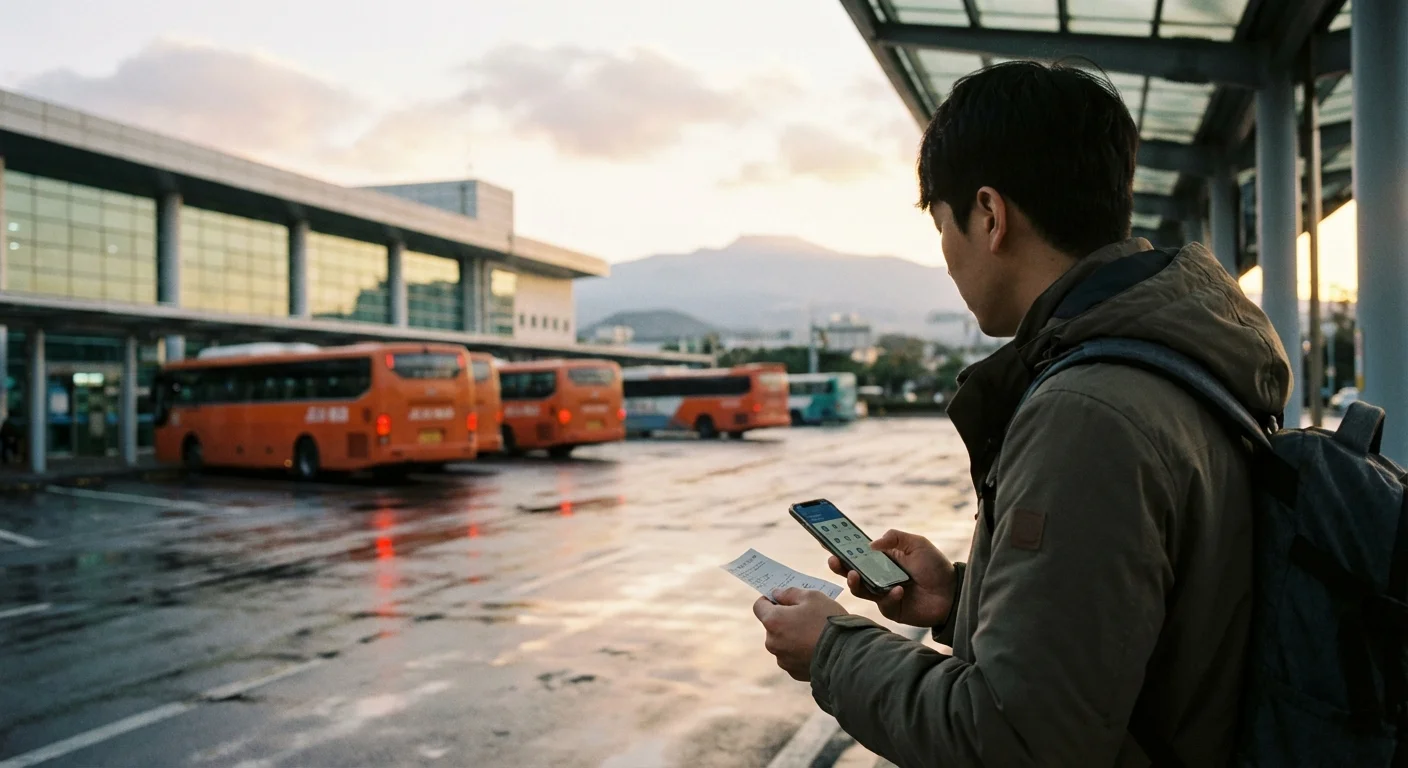
If you’re landing at Jeju International Airport (제주국제공항) and your final destination is Seogwipo (서귀포)—or the other way around—airport buses are one of the easiest, most “tourist-proof” ways to move across the island. You don’t need to drive, you don’t need to bargain with taxi drivers, and you can often get a one-seat ride to major hotel areas and sightseeing zones.
That said, the phrase “Jeju Airport bus to Seogwipo” can be confusing because there isn’t just one bus, and the “best” option depends on where in Seogwipo you’re staying (Seogwipo city center vs. Jungmun resort area), how much luggage you have, and whether you prioritize comfort, price, or fewer transfers.
This guide is designed to help you decide quickly:
- Which bus you should take (600 vs. 800/801) based on where you’re going
- What the major stops are so you don’t get off too early (or too late)
- How tickets and payment work (cash vs. transport card, and what “online options” really mean in practice)
- How to plan travel time realistically, including the mistake most first-time visitors make
- What to double-check before you go: stop locations, peak crowds, and Jeju’s weather disruptions
For budgeting, keep in mind that fares vary by route and distance. A typical fare range is about ₩5,000–₩10,000 (as of 2026/2027, check current prices), which is generally far cheaper than taking a taxi across the island—especially if you’re traveling solo or as a couple.
Jeju Airport Bus Options Overview (600 vs 800/801)
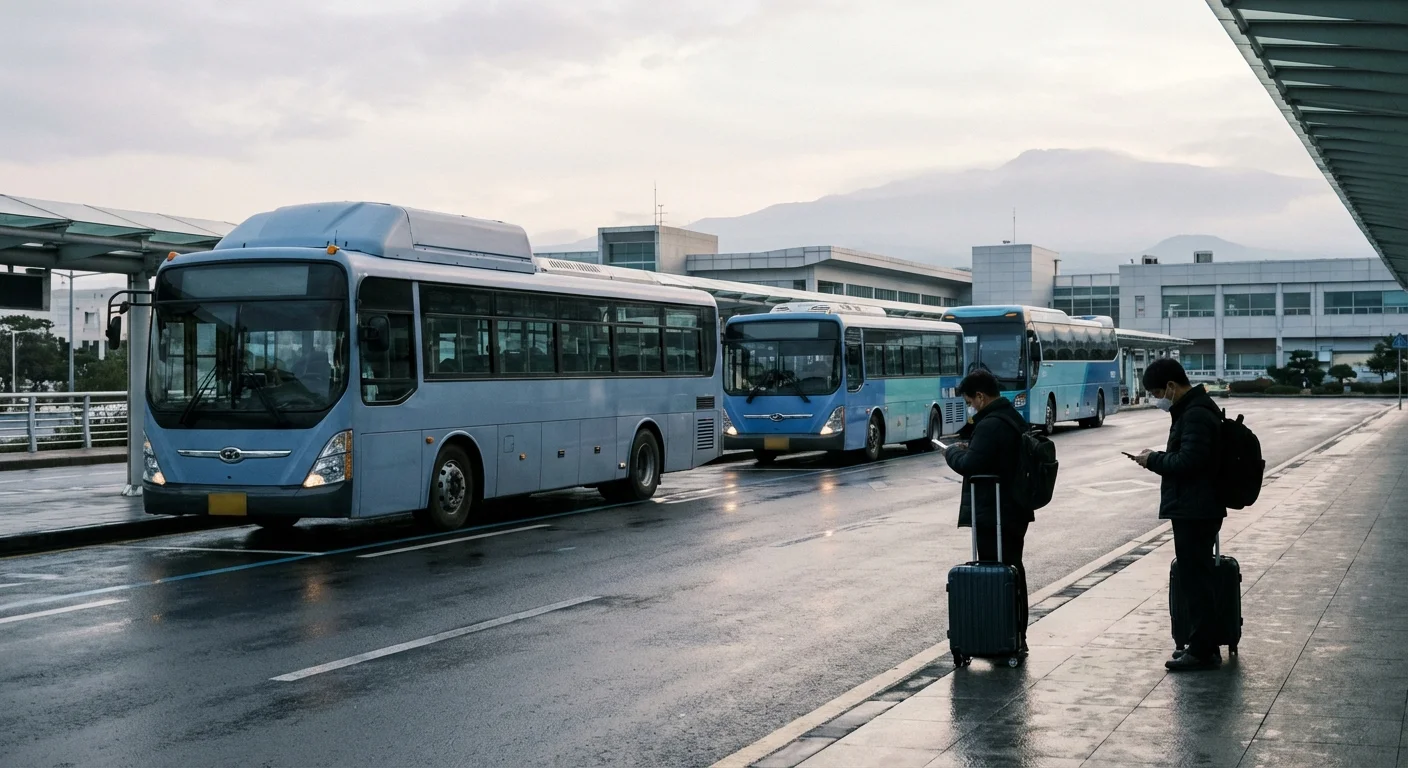
Most travelers comparing airport-to-Seogwipo buses end up deciding between:
- Bus 600 (Airport Limousine / 공항리무진)
- Bus 800 or 801 (via Jeju Bus Terminal, then Jeju Airport, then Seogwipo KAL Hotel)
Here’s how to choose in a practical, decision-first way:
Choose the 600 Airport Limousine if…
- Your accommodation is in or near the Jungmun Tourist Complex (중문관광단지), a major resort and sightseeing area.
- You want a route that’s widely recognized by visitors as an “airport-to-tourist zone” option.
- You prefer a more direct-feeling ride from the airport to major tourist districts.
This is often the most convenient option for first-time visitors heading to the Jungmun area or planning to base themselves around major attractions.
Choose the 800/801 if…
- Your destination is closer to Seogwipo KAL Hotel (서귀포칼호텔) or you can easily connect from there.
- You want a route that includes the Jeju Bus Terminal (제주버스터미널) and is more “local network” in feel.
- You’re okay with a slightly more transit-style experience and want to compare for the best timing.
The 800/801 can be a smart choice if your lodging is near central Seogwipo or if your plans revolve around the areas served by the KAL Hotel stop.
Which option is cheaper?
In general, both are budget-friendly compared to taxis, and pricing depends on distance and route. Use the typical ₩5,000–₩10,000 range (as of 2026/2027, check current prices) as a planning baseline. If you’re cost-sensitive, it’s worth comparing the fare shown at the stop or in the official transport info, because even small differences add up over a round trip—especially for families.
Which option is easier with luggage?
Both options are workable, but many travelers find “airport limousine” branding psychologically simpler: it signals “tourists and suitcases welcome.” The 800/801 is still fine, but can feel more like a standard intercity bus route where you should be extra mindful about boarding lines and stop announcements.
If you’re traveling with large luggage during peak seasons, consider building extra time into your plan or traveling earlier in the day.
Route & Major Stops: 600 Airport Limousine (Airport–Jungmun–Seogwipo)
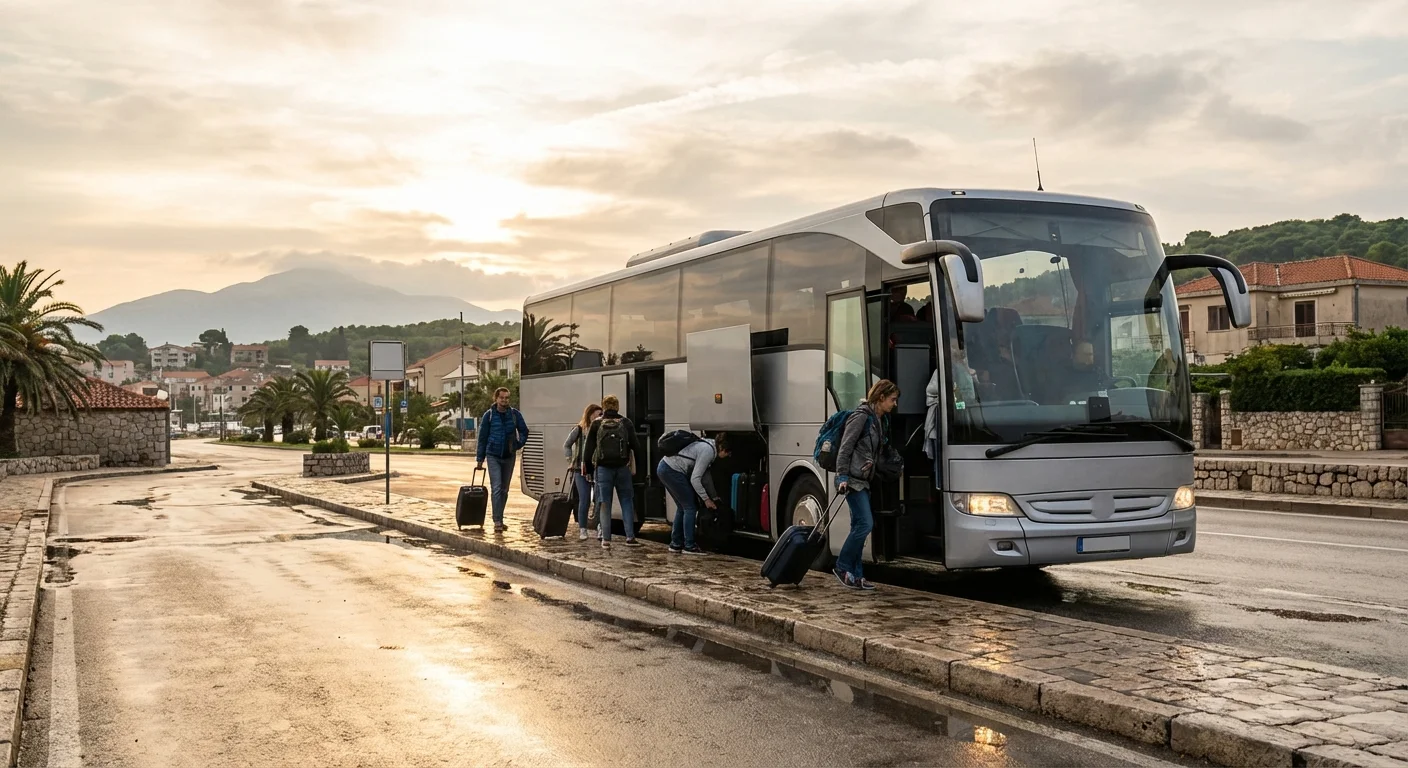
The 600 Airport Limousine (600번 공항리무진) is the best-known airport bus for travelers heading toward Jeju’s southern resort belt and onward to Seogwipo.
Core route concept
- Starts at: Jeju International Airport (제주공항)
- Key area en route: Jungmun Tourist Complex (중문관광단지)
- Continues toward: Seogwipo (서귀포)
Even if you’re not staying inside Jungmun, the 600 can still be useful if your hotel is along the southern corridor or if you prefer to arrive in a tourist-heavy area where taxis are easy to find for the final few kilometers.
Major stops (high-level)
From the research summary, the key named stops to know are:
- Jeju Airport
- Jungmun Tourist Complex
- Seogwipo
Because stop patterns can change by operational needs and season, the best practice is to confirm your specific stop name right before travel (at the airport bus stop signage, on official transit displays, or through current route maps). If you’re unsure, ask your hotel for the Korean stop name—showing the exact Korean text is often the fastest way to avoid confusion.
Best use cases for travelers
- Resort stays and sightseeing bases: Jungmun is a major hub for attractions, tours, and larger hotels, making the 600 feel like the “straightforward” tourist option.
- Seogwipo without transfers: Many people search for a direct airport-to-Seogwipo ride; the 600 is often the closest match to that expectation.
Common mistake to avoid
A frequent issue is assuming “Seogwipo” is a single, precise point. In reality, Seogwipo is a broad area with multiple neighborhoods. Before choosing the 600, confirm whether your accommodation is best served by:
- A stop in the Jungmun area, or
- A stop closer to Seogwipo city center, or
- A different route with a more convenient final walking distance
If you plan to connect to a taxi or local bus after, the 600 still works well—just plan that last-mile step in advance.
Route & Major Stops: 800/801 (Jeju Bus Terminal–Jeju Airport–Seogwipo KAL Hotel)
The 800 and 801 buses are another popular way to get from the airport area to Seogwipo—especially if your target landmark is Seogwipo KAL Hotel (서귀포칼호텔).
Core route concept
- Starts at: Jeju Bus Terminal (제주버스터미널)
- Passes through: Jeju Airport (제주공항)
- Ends/major southern stop: Seogwipo KAL Hotel (서귀포칼호텔)
This structure is useful to understand: these buses aren’t “airport-only shuttles.” They’re part of the broader intercity network, and the airport is one of the significant stops along the way.
Travel time you can plan around
The research summary notes an approximate travel time of about 1 hour 15 minutes for the 800/801 route segment (airport to Seogwipo KAL Hotel context). In real travel conditions, you should still buffer time for traffic, seasonal crowding, and stop dwell time—especially in peak summer and winter periods.
A practical planning rule:
- If you have a fixed check-in, dinner reservation, or tour meet-up, don’t schedule it too tightly after your landing time. Build margin for baggage claim and boarding lines.
Who benefits most from 800/801?
- Travelers staying near Seogwipo KAL Hotel or within a comfortable taxi/local-bus hop from that stop.
- People who prefer a more “networked” transit option that can also connect logically with Jeju Bus Terminal routes on other days of the trip.
What to double-check before boarding
Because there are two route numbers (800 and 801), don’t assume they are identical in all details. Even if they share major endpoints, stopping patterns can vary. Confirm:
- The route number on the bus and on the stop display
- Whether your intended stop is listed
- Any seasonal changes posted at the stop
When in doubt, show the driver (or a station staff member) the Korean name “서귀포칼호텔” or your hotel’s address in Korean and ask if the bus stops there.
How to Pay & Buy Tickets (Cash, Transport Card, Online Options)
One reason Jeju’s airport buses are so visitor-friendly is that payment is usually straightforward. Still, it helps to know your options so you don’t waste time at the curb.
Paying on board: cash or transport card
From the research summary: you can typically pay when you board, using:
- Cash
- A transport card (교통카드)
If you’re arriving from overseas, the simplest approach is:
- Have some cash available for your first ride, or
- Make sure your transport card is ready to tap before you leave the airport area
Transport cards are convenient because you don’t need exact change and you can move between buses more smoothly during your trip.
Online ticketing: when it helps (and when it doesn’t)
Some routes may offer online reservation options, but availability can vary. Online booking can be useful if:
- You’re arriving during a peak period and want extra confidence about your plan
- You prefer having your ride plan confirmed before landing
However, many travelers still end up paying on board because it’s flexible—especially if your flight arrival time might change due to weather.
Best practice: compare current options shortly before your trip (as schedules and booking policies can change), and decide whether flexibility or pre-booked certainty matters more for your itinerary.
How much does it cost?
For budgeting, use the research-supported guideline:
- Typical bus fare range: ₩5,000–₩10,000 (as of 2026/2027, check current prices)
Because fares can depend on distance and route type, treat that as a planning range rather than a guarantee. If you’re traveling with kids or in a group, check the current fare rules and payment instructions on arrival—your total transport budget may shift depending on whether you take one bus or need a short taxi connection at the end.
Quick budget planning (ranges, not exact)
- Budget travelers: plan ₩5,000–₩10,000 per person per ride (as of 2026/2027) and keep a little extra for a short last-mile taxi if needed.
- Mid-range travelers: same fare range, plus buffer for convenience choices (like choosing a stop that reduces walking with luggage).
- Families/groups: compare the total bus fare vs. splitting a taxi only after you confirm current taxi pricing; buses are often excellent value, but convenience can sometimes win after a long flight.
Timetables, First/Last Bus, and Realistic Travel Time Planning
Timetables are where Jeju bus plans either feel effortless—or fall apart.
First bus and why it matters
The research summary states that for the 600 Airport Limousine, the first departure from Jeju Airport is 6:00 AM.
This is especially useful if:
- You have an early hotel check-in plan in the south (or want to drop luggage early)
- You’re catching a morning tour departure from Jungmun/Seogwipo
- You’re trying to maximize your first day without renting a car
Last bus: don’t guess—confirm
The most common “trip disruption” scenario is landing later than expected and assuming buses will still be running. Jeju routes can have last departures that vary by season, day type, and operational updates.
Actionable tip: check the current last-bus time (posted at the airport stop or in updated transit info) before you finalize dinner reservations or late-night plans in Seogwipo.
Realistic door-to-door planning
Even when a route’s ride time looks reasonable on paper, door-to-door time is what matters. Build your plan in layers:
- Landing → baggage claim: can vary widely
- Baggage claim → finding the bus stop: add time if it’s your first visit
- Waiting time: you might arrive just after a bus departs
- On-bus ride time: for 800/801, the summary suggests about 1 hour 15 minutes (use as a baseline, not a promise)
- Stop → hotel: walking with luggage, or transferring to taxi/local bus
In peak seasons (summer and winter), crowding can slow boarding and increase wait times. If you’re traveling during those periods, plan extra buffer and keep your schedule flexible.
The “one big mistake” to avoid
Don’t plan your Seogwipo arrival time using only the bus ride time. A realistic plan includes:
- At least one “missed bus” scenario (you arrive at the stop right after it leaves)
- Traffic variability (especially around tourist zones)
- Weather-related delays (more on that below)
If you want a low-stress travel day, choose a buffer-rich plan and treat any early arrival as a bonus.
Tips for First-Time Visitors
Jeju is friendly, but first-time visitors tend to run into the same friction points. Here’s how to avoid them.
1) Decide your “anchor stop,” not just your city
Instead of searching only “Seogwipo,” identify your nearest major anchor:
- Jungmun Tourist Complex (often best with the 600)
- Seogwipo KAL Hotel area (often best with 800/801)
Then plan your final connection (walk, local bus, or short taxi) from that anchor.
2) Save stop names in Korean
Screenshots help. Save:
- Your hotel name in Korean
- The nearest bus stop name in Korean
- One landmark name (Jungmun / Seogwipo KAL Hotel)
When asking for help, showing Korean text reduces misunderstanding dramatically.
3) Travel lighter if you can
Jeju buses are doable with luggage, but if you have oversized bags:
- Consider traveling outside peak commuting/tour times
- Keep your bags easy to lift and stable (rolling bags can tip on turns)
- Sit near exits when possible to reduce disembark stress
4) Use the bus to “see” the island
If you’re not driving, the airport-to-south ride is a free scenic preview of Jeju’s geography: you’ll feel the shift from the airport area to tourist corridors and then to Seogwipo’s southern atmosphere. It’s a nice way to ease into the trip after flying.
5) If you’re arriving late, create a Plan B early
If your flight is delayed, you don’t want to be researching alternatives at midnight. Before you fly, decide:
- What you’ll do if you miss the last bus (for example: taxi to Seogwipo, or stay near the airport for the night)
- Where you would stay if you need a last-minute room
You don’t have to book anything—just have the decision ready.
What to Know Before You Go (Stop Locations, Crowds, Weather Disruptions)
This final section is where small details make a big difference.
Stop locations: confirm at the airport, not from memory
Even experienced travelers get tripped up by stop placement—especially after a long flight. The research summary highlights that not knowing the exact stop location is a common source of confusion.
Before you head outside:
- Look for airport signage that indicates bus boarding areas
- Confirm the route number (600 vs 800/801) on posted information
- If you’re unsure, ask staff and show the route number and destination stop in Korean
A two-minute confirmation can save a 30-minute mistake.
Crowds: summer and winter peak patterns
The research summary notes that summer and winter peak seasons can bring heavier crowds and more congestion. What that means for you:
- You may wait longer in line
- Buses may feel more crowded, especially with luggage
- Your travel time may extend beyond your “normal day” estimate
If your schedule matters (weddings, tours, timed tickets), choose earlier departures and build buffer. If your schedule is flexible, simply enjoy the ride and don’t over-plan the first evening in Seogwipo.
Weather disruptions: Jeju is famous for sudden changes
Jeju weather can change quickly, and disruptions are real—sometimes affecting flights, sometimes affecting road conditions and traffic flow. The summary specifically flags the importance of checking weather due to delays/cancellations.
Practical steps:
- Check weather before you fly and again after landing
- If conditions are windy or stormy, assume longer travel times
- Keep your hotel informed if you expect a late arrival
If you’re traveling in a period known for volatile weather, prioritize flexibility: keep your first-day plans simple, and avoid stacking tight reservations right after arrival.
Final checklist before you board
- Correct bus number: 600 vs 800/801
- Destination anchor: Jungmun or Seogwipo KAL Hotel (or your specific Seogwipo stop)
- Payment ready: cash or transport card
- Budget expectation: ₩5,000–₩10,000 typical range (as of 2026/2027, check current prices)
- Time buffer: include wait time + traffic + last-mile connection
A little preparation turns Jeju’s airport buses into one of the easiest parts of your trip, and you’ll arrive in Seogwipo ready to enjoy the island rather than recover from transit stress.
FAQ
Q: Which bus should I take from Jeju Airport to Seogwipo—600 or 800/801?
Take 600 if you’re heading to Jungmun Tourist Complex or Seogwipo via the resort corridor. Take 800/801 if you want the Seogwipo downtown/KAL Hotel direction and a more city-bus style route.
Q: Where do I buy tickets for the Jeju Airport↔Seogwipo airport bus?
In most cases you can pay when boarding using cash or a Korean transport card (e.g., T-money/Cashbee). Some services may offer online reservations, but many travelers simply tap/pay onboard.
Q: How much is the airport bus fare from Jeju Airport to Seogwipo?
Typical fares fall roughly in the 5,000–10,000 KRW range depending on the route and where you get off. Longer distances (e.g., deeper into Seogwipo/Jungmun) cost more.
Q: How long does it take from Jeju Airport to Seogwipo by bus?
Expect around 1 hour to 1 hour 30 minutes depending on the line, stops, and traffic. The 800/801 is often cited around ~1 hour 15 minutes to Seogwipo KAL Hotel, but delays can happen.
Q: What are the most common mistakes when taking the airport bus in Jeju?
Missing the last bus by not checking the first/last departure times, waiting at the wrong stop (airport platforms can be confusing), and not allowing buffer time during peak season or bad weather.
What you can do next
Pick just one action from this guide and do it today—small steps add up.