Experience the Charm of Jeonju Hanok Village: Traditional Crafts and Cozy Stays
Quick Info
- Location: Jeonju, South Korea
- Popular for: Traditional Korean hanoks and cultural experiences
- Best time to visit: Spring and Autumn
- Reservation: Online or phone reservation recommended
Introduction to Jeonju Hanok Village
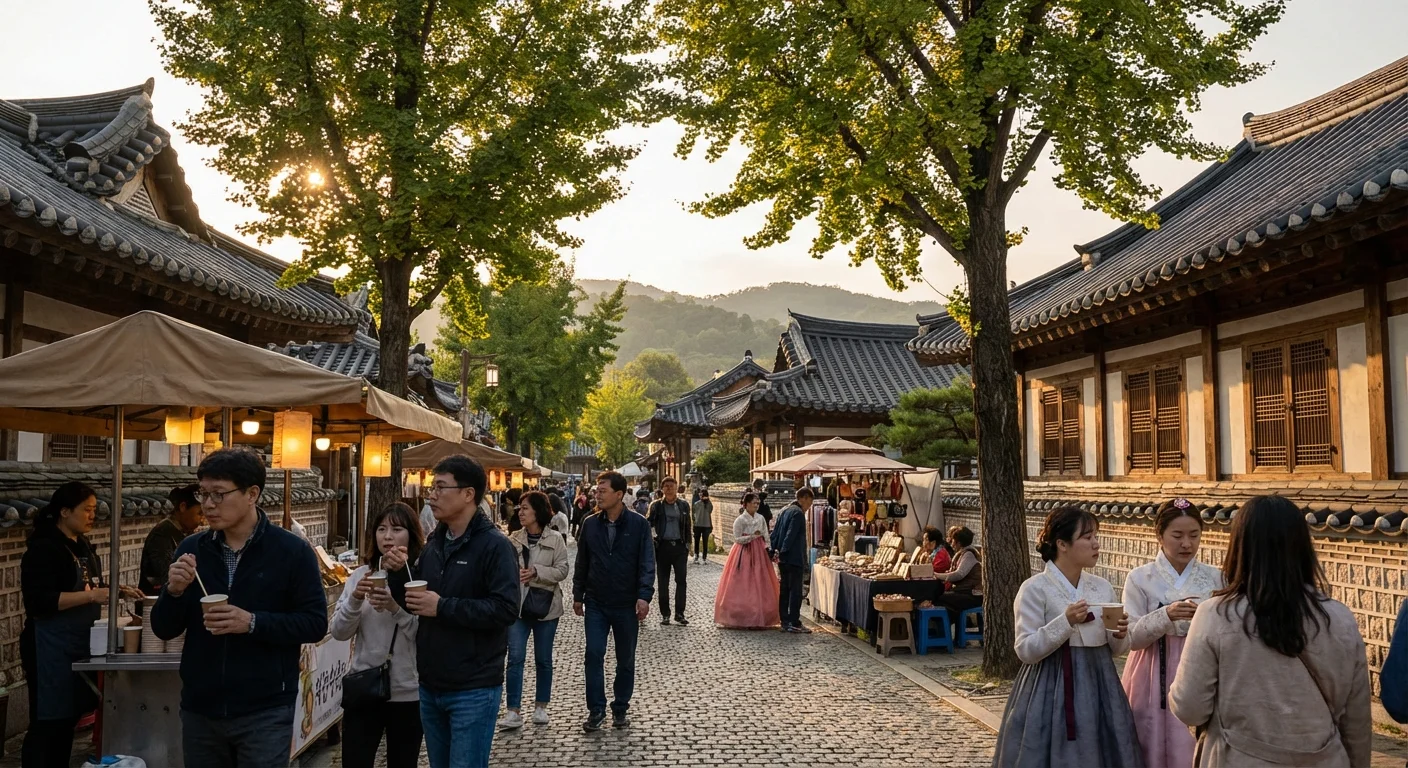
Nestled in the heart of South Korea, Jeonju Hanok Village is a magnificent blend of the country’s rich tradition and vibrant modernity. Known locally as 전주에서 한옥마을 체험하기, this charming destination draws visitors from around the world who are eager to step back in time and immerse themselves in the unique ambiance of hanok—traditional Korean houses. Walking through its narrow alleys lined with over 800 hanoks, one is transported to a picturesque past where history and culture come alive. The village not only showcases the beauty of ancient Korean architecture but also the innovations in cultural preservation.
Latest Trends in Cultural Experiences
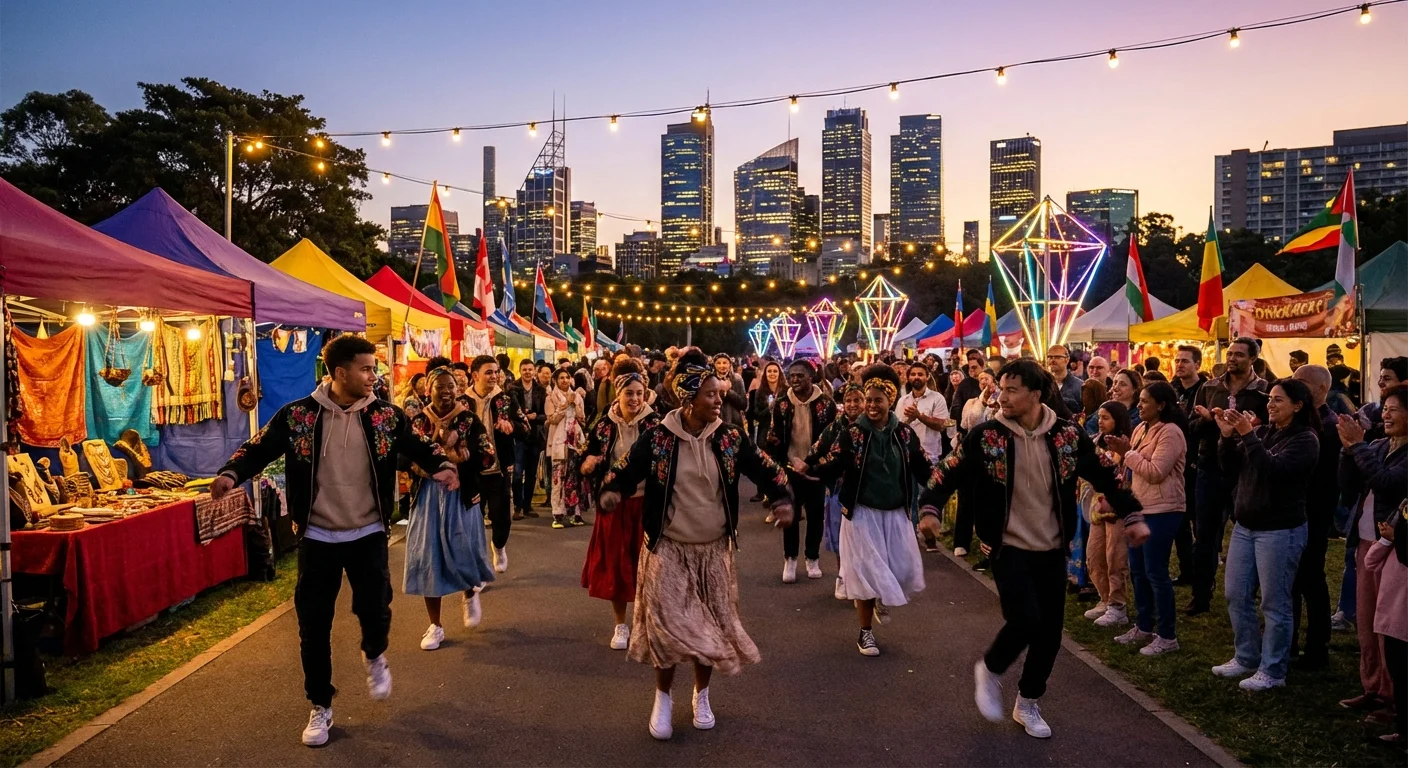
Recently, Jeonju Hanok Village has become a hotspot for traditional craft experiences. These experiences are not just about learning a new skill; they provide a tangible connection to Korean heritage, making them incredibly popular among tourists and locals alike. Every corner of the village pulses with the enthusiasm of people engaging in these artistic endeavors.
Embracing Tradition: A Personal Encounter
When I first visited Jeonju, I was enthralled by the bustling marketplace that was beautifully interwoven with the serene alleys of hanoks. One afternoon, I decided to join a pottery-making class. As I carefully shaped the clay with my hands, the instructor—a seasoned artisan named Mr. Kim—shared stories of how his family had been crafting pottery for over three generations. Listening to him, I realized how these skills and techniques are a direct line to Korea’s artistic soul, passed down through the ages.
Hands-on Craft Programs
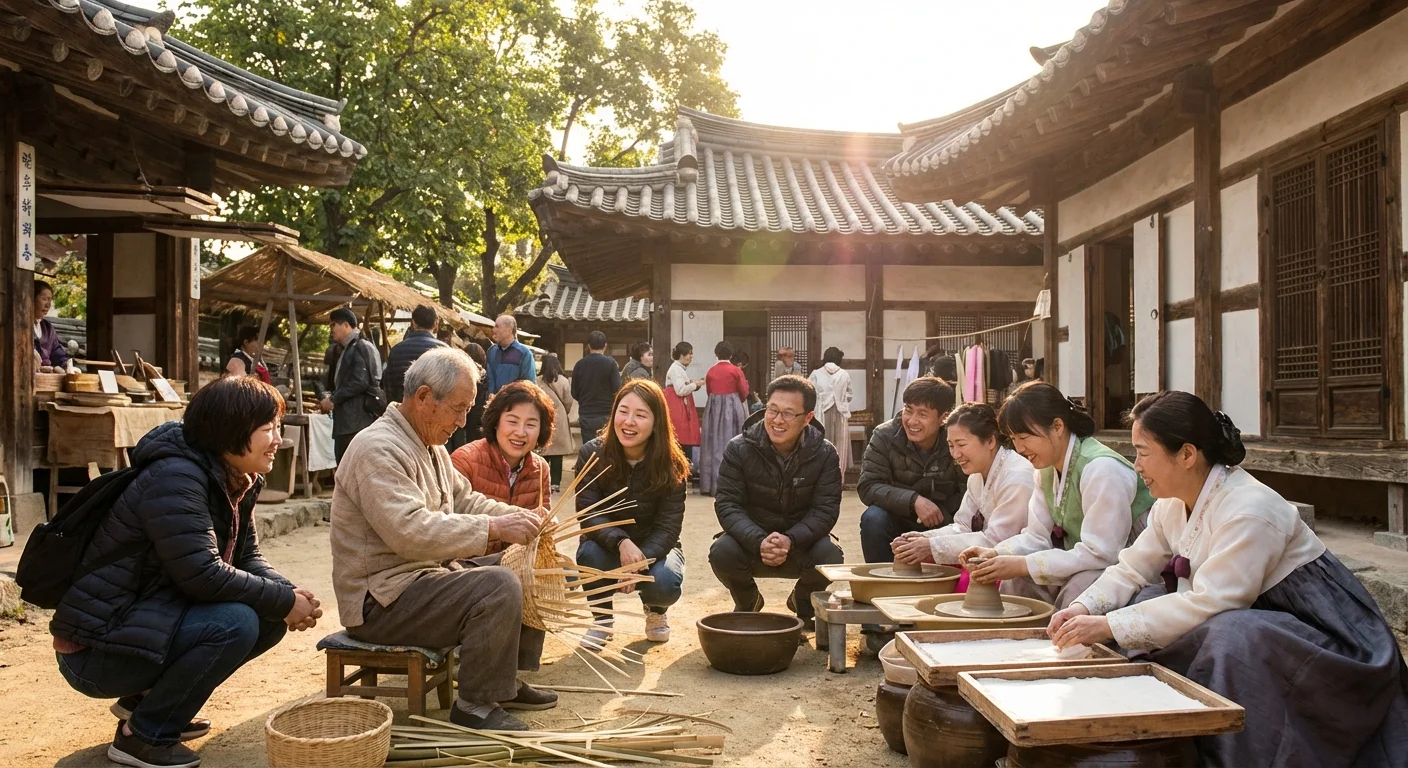
Engaging in these craft programs allows visitors to tap into Korea’s storied past:
-
Pottery Making: This time-honored craft invites you to shape clay into traditional pottery pieces, much like those found in ancient Korean history. Sessions are usually an hour long and cost between 10,000 and 20,000 KRW. You’ll find workshops scattered throughout the village, each with its own unique twist. For me, the joy was in getting my hands dirty and creating something tangible—something that was distinctly Korean yet had my personal touch.
-
Hanji Craft: Engage with the delicate art of paper-making by creating lanterns and small decorative items. These sessions, lasting between 40 minutes to an hour, cost around 8,000 to 15,000 KRW. It’s more than just crafting; it’s an exploration of patience and precision. I remember creating a hanji lantern and watching it glow softly, as it beautifully complemented the evening ambiance of Jeonju.
-
Mother-of-Pearl Inlay: Delve into this exquisite art form by transforming tiny pieces of shell into stunning decorations. These workshops usually take about an hour and are priced between 20,000 to 50,000 KRW depending on the project size. This craft requires a keen eye for detail and steadiness of hand—qualities I found I possessed only as the instructor guided me through each meticulous step.
-
Woodworking: Embrace the craftsmanship of sculpting wood into cutting boards or decorative items, a process that spans 1 to 2 hours and costs between 15,000 and 25,000 KRW. I crafted a simple yet elegant wooden spoon, a keepsake that now holds a special place in my kitchen, reminding me daily of Korean craftsmanship.
Remember, these experiences often require prior booking, so plan ahead! Bring comfortable clothes and slip-resistant shoes to make the most of your crafting session and leave room to carry back creations that you will cherish forever.
Accommodation Options Around Jeonju Hanok Village
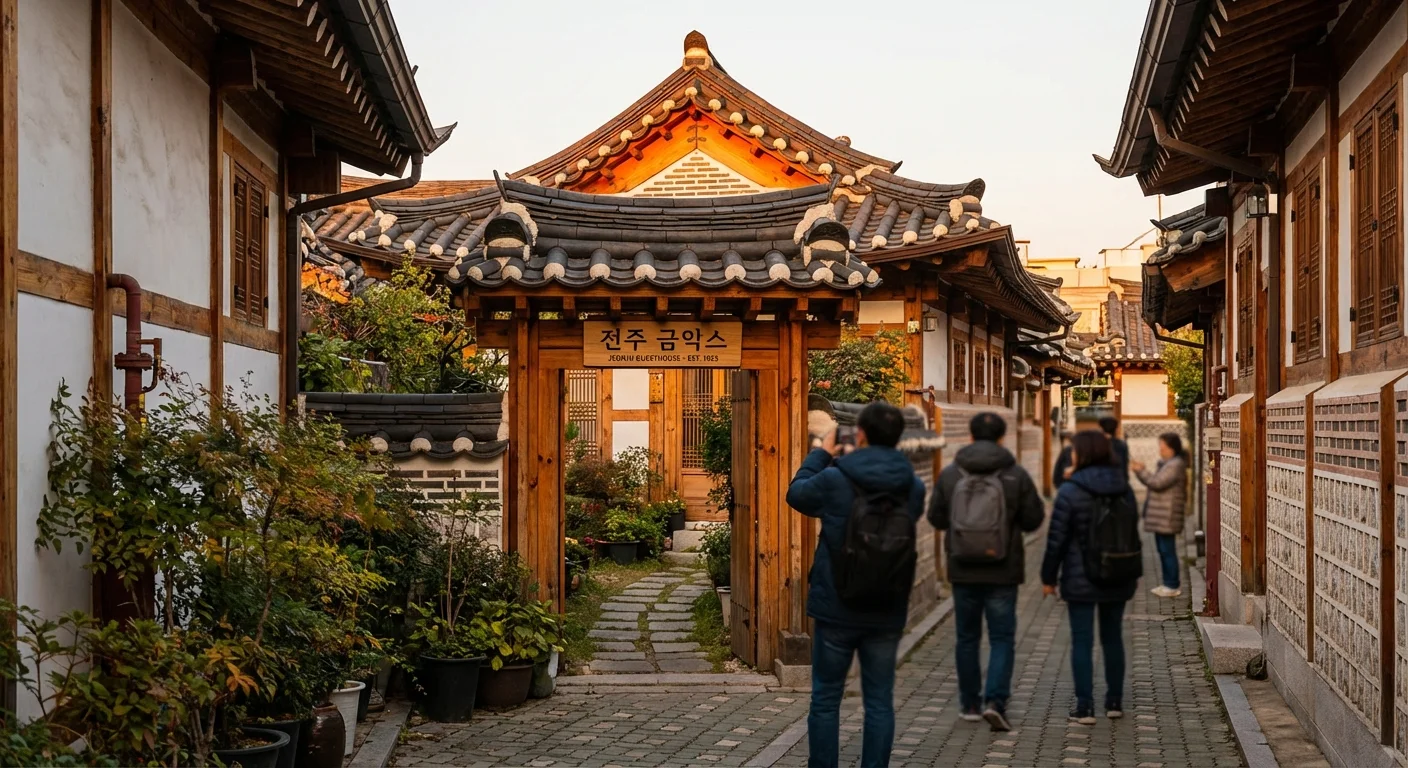
After a day filled with crafting, unwind in a cozy nearby accommodation. Here are a few top recommendations that provide a delightful escape, seamlessly blending tradition with comfort:
-
Shilla Stay Jeonju Hanok Village: Just a 15-minute walk from the village, this hotel offers clean, comfortable rooms with modern amenities such as a fitness center and laundry facilities. The view from the higher floors presents a fantastic panorama of the diverse cityscape—traditional hanoks against the backdrop of a modern city.
-
Best Western Plus Jeonju: Offering a rooftop garden and bicycle rentals, this hotel is an excellent choice just 10 minutes by foot from the village. I loved this place for its inviting community spaces where travelers exchange stories of their day’s adventures over a cup of tea.
-
Labe Hotel: Known for its spacious, well-equipped rooms boasting a styler and air purifier, this hotel also offers delightful breakfast options. The proximity to the village and quiet neighborhood make it a perfect retreat after a day bustling with activities.
When booking, double-check amenities such as free parking, check-in times, and whether breakfast is included for the smoothest experience. Each option provides a unique glimpse into modern Korean hospitality fused with traditional charm.
Hidden Tips for the Best Experience
To make the most of your trip to Jeonju Hanok Village, here are some insider tips that can enhance your visit:
-
Book in Advance: Given the popularity of these craft programs, consider booking online or via phone ahead of your visit to avoid disappointment. Popular classes, especially on weekends, fill up quickly.
-
Be Equipped: In addition to comfortable attire, remember to pack hand sanitizer, masks, and perhaps a camera to capture your creations against the idyllic backdrop of the hanok-lined streets. A small backpack could be handy for any purchases or memorabilia you gather during your exploration.
-
Communication is Key: Many craft studios cater to an international audience, offering instructions in English and Japanese, ensuring everyone can participate fully. Don’t hesitate to ask questions—they love sharing their passion and knowledge!
-
Exploring Local Cuisine: Don’t miss out on Jeonju’s culinary delights, such as bibimbap—an iconic dish known for its delightful mix of rice, vegetables, and egg. There’s no better way to understand a culture than through its food!
Cultural Significance of Jeonju Hanok Village
Jeonju Hanok Village holds a special place in Korean culture as a well-preserved bastion of traditional architecture and lifestyle. It stands as a testament to Korea’s vibrant past, offering visitors a chance to tangibly feel history’s embrace. Engaging in crafting activities here transcends mere tourism—it’s a heartfelt interaction with the cultural fabric of Korea, set against the charming hanok backdrop.
A Portal to the Past
Imagine standing in front of a hanok—the intricate wooden beams and elegant tile-roof patterns whisper tales of ages past. The village is a living museum, where each corner tells a story. The harmonics of pansori, a traditional Korean musical storytelling, often fill the air, juxtaposing the serene silence of the alleyways.
Your visit to Jeonju Hanok Village can be more than just sightseeing; it’s a passage into Korea’s cultural soul, where history isn’t just seen but experienced firsthand. Whether you’re stepping into the shoes of a traditional craftsperson or simply soaking in the serene beauty of the hanoks, a trip to this village promises enriching memories that bridge past and present. As you craft, explore, and dine, you partake in a cultural exchange that leaves a lasting imprint on your travelogue—a testament to the warmth and richness of Korea’s heritage.
FAQ
Q: What is Jeonju Hanok Village known for?
Jeonju Hanok Village is known for its well-preserved traditional Korean houses (hanoks) and diverse cultural experiences.
Q: Can international tourists participate in craft experiences?
Yes, many of the craft experiences offer sessions in English and Japanese, making it accessible for international visitors.
Q: Are there any accommodation options within the village?
Yes, there are various accommodations ranging from traditional hanok stays to modern hotels within and around the village.