Top 5 Korean Regional Festivals 2024 – Tours, Prices & How to Book
Quick Info
- 📍 Area: South Korea
- 🕒 Best time: Spring, Fall, Winter
- 💰 Budget: 100,000 - 300,000 KRW
- 🚇 Getting there: Public transport, rental cars
- 👥 Best for: Culture enthusiasts, families
- ✅ TL;DR: Explore Korea’s rich culture through its regional festivals, with options for budget-friendly travelers.
Before you start planning
If you’re thinking about 한국의 지역 축제와 행사 소개, check current tour and pass deals first:
- See which 1-day / 2-day tours are discounted right now
- Compare DIY vs package prices in one place
- Lock in cancellable options while you read this guide
(Affiliate placeholder) 👉 Check Korea tour & pass deals
Introduction to Korean Regional Festivals
Korea is a land of rich cultural heritage and vibrant traditions, and nothing embodies this more than its regional festivals. Each year, these festivals bring to life the unique customs and styles of their respective regions, providing an immersive experience for both locals and tourists. Whether you’re a culture enthusiast or just someone looking to enjoy a unique holiday experience, Korea’s regional festivals are sure to captivate you. With the year 2024 promising a lineup of exciting festivals, it’s time to explore the top five must-visit events and how you can make the most of your visit.
Top 5 Must-Visit Korean Regional Festivals
1. Seoul Light Festival
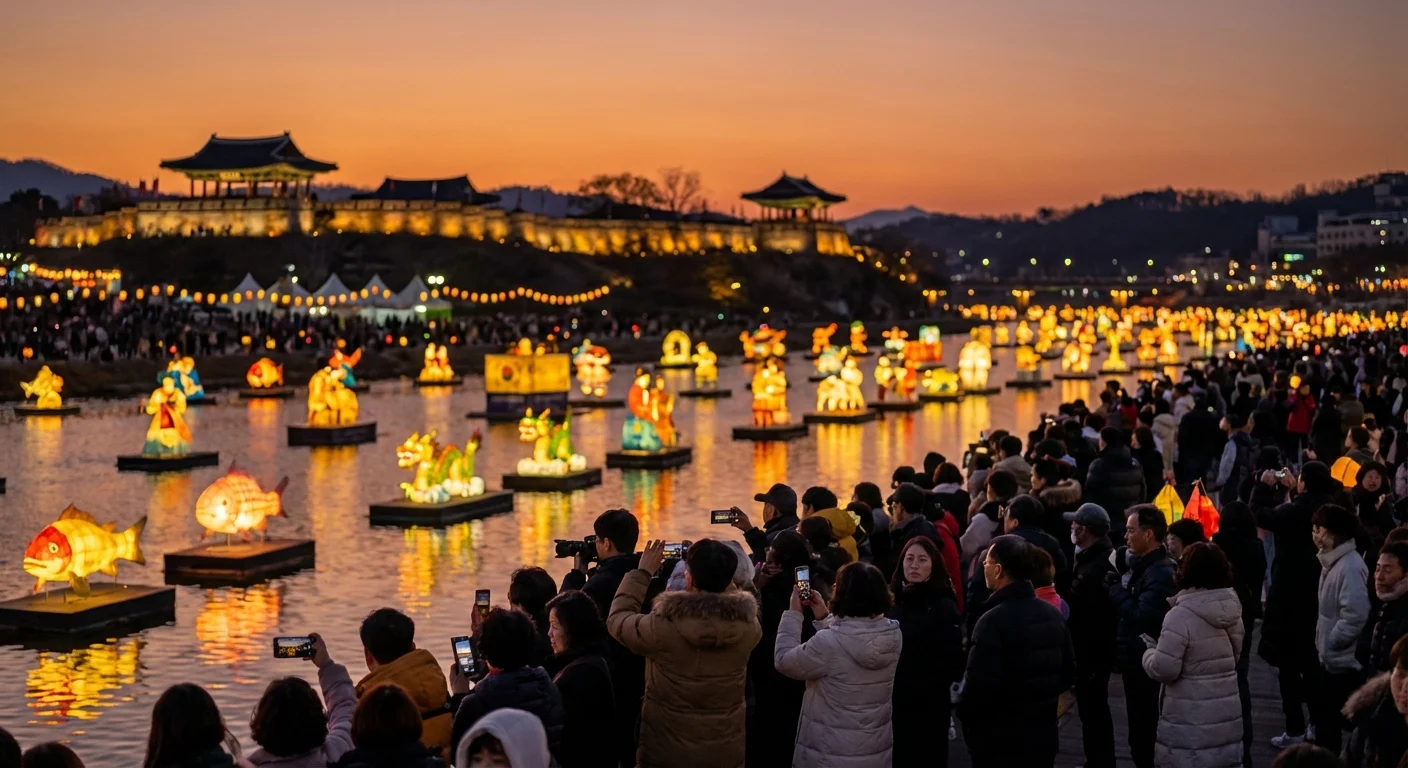
One of the most stunning visual spectacles, the Seoul Light Festival held at the Dongdaemun Design Plaza transforms the cityscape with its cutting-edge media facade technology. Taking place during the darker winter months, this festival cloaks the city in a magical glow from December through February. As you wander through the dazzling installations, you’ll feel the energy of Seoul pulsing around you.
Personal Story: Last year, my friends and I decided to kickstart the new year by visiting the Seoul Light Festival. As we strolled through the illuminated pathways, each installation seemed more elaborate than the last. We were particularly mesmerized by a gigantic LED dragon weaving between the skyscrapers, a sight we couldn’t stop photographing.
2. Gyeongsang Province Historic Reenactment
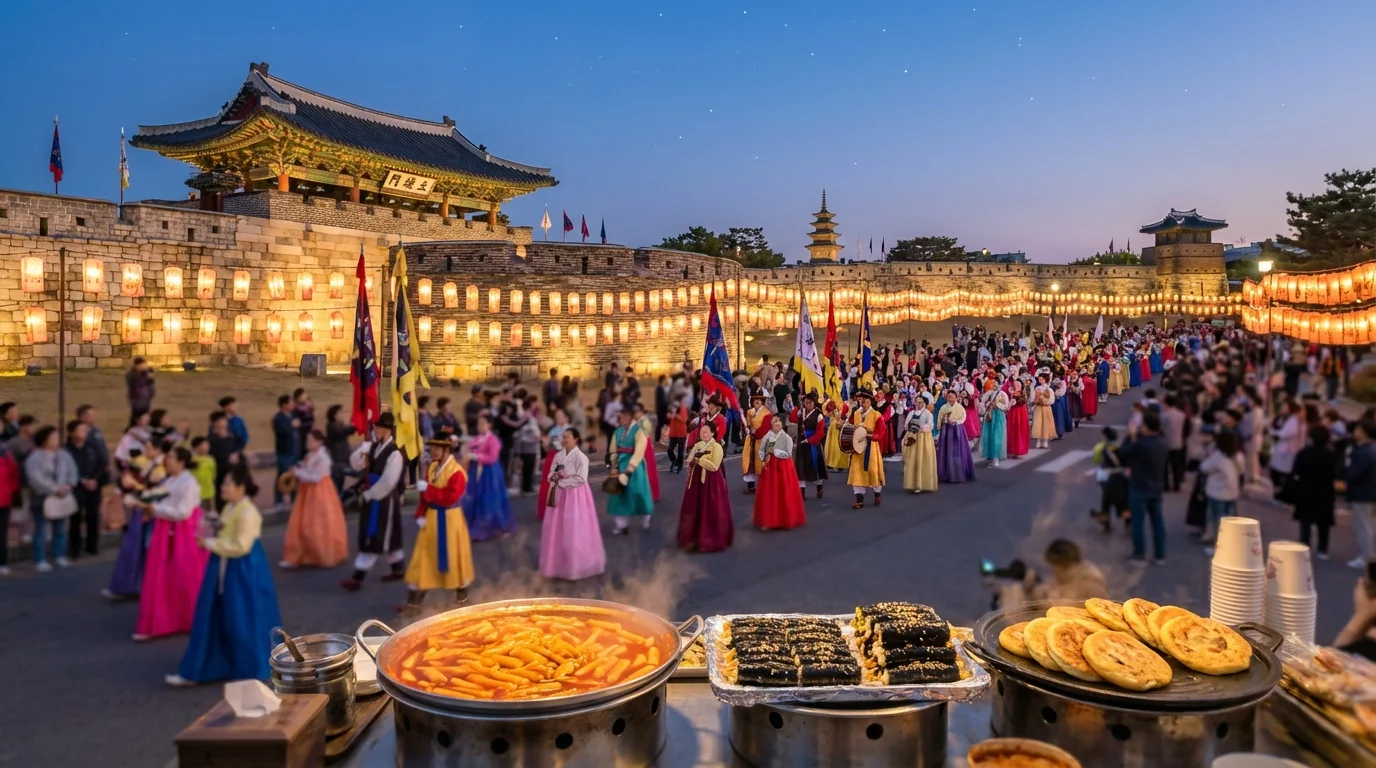
For history buffs and culture lovers, the Gyeongsang Province Historic Reenactment is an unmissable event. Held at the Gyeongsang Gamyeong Park in Daegu, this festival transports visitors to the Joseon Dynasty with reenactments of traditional ceremonies, including the fascinating su-moon-deuk-geum and gyeong-jeom-si-bo ceremonies. It’s a journey back in time that vividly captures the essence of historical Korea.
Practical Example: Don a traditional hanbok for a full immersion experience. You can rent one for about KRW 15,000-20,000, allowing you to blend in with the period setting as you enjoy the vibrant ceremonies.
Personal Story: As a fan of historical dramas, attending this festival was a dream come true. I remember the awe I felt watching the skilled performers orchestrate a royal procession. It felt like stepping right into a scene from my favorite series!
3. Winter Festival Series
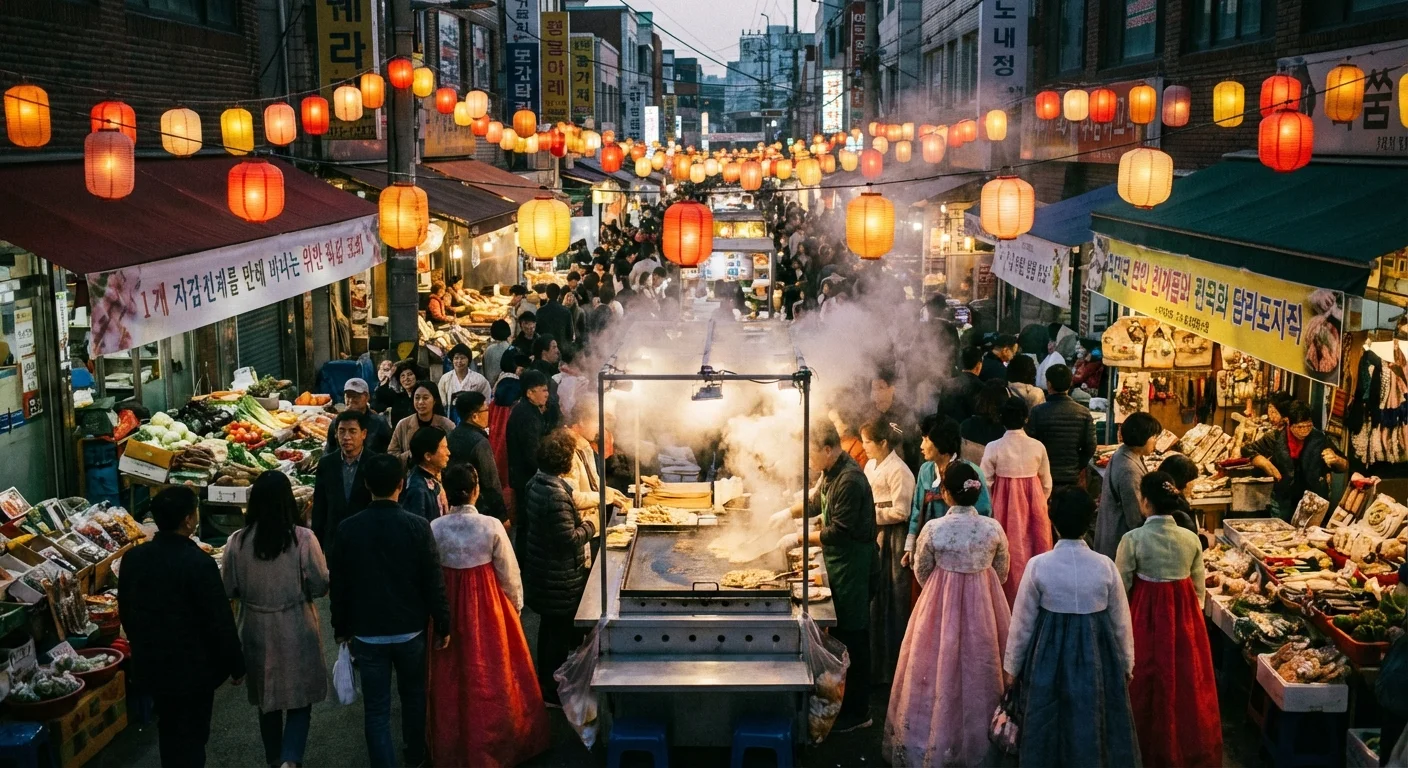
Across 58 locations in Korea, the winter festivals offer a medley of icy adventures and culinary delights. From snow festivals in Gangwon Province to gastronomic events in the bustling marketplaces, these festivals are a testament to Korea’s ability to blend tradition with modern flair. Whether you’re in for skiing or savoring local delicacies, the winter festivals promise a joyous celebration of the cold season.
Specific Price Range: Ski pass prices typically start at KRW 50,000, with equipment rental fees adding about KRW 20,000-30,000. Don’t forget to try the popular winter snack bungeoppang, sweet and warm, for only around KRW 1,000-2,000 apiece.
Personal Story: Despite the biting cold, the sight of snow-draped mountains was worth every shiver. My favorite part was the spontaneous bobsled race with locals— a thrilling experience that ended with us sharing hot drinks and laughter around a market stall.
4. Busan Sea Festival
Busan, Korea’s second-largest city, hosts the vibrant Sea Festival during the sizzling summer months. The beaches come alive with music, dance, and water sports, making it a perfect getaway for those looking to bask in the sun and embrace the excitement of seaside festivities.
Step-by-Step Guide: Start your day with a surfing lesson at Haeundae Beach, priced at approximately KRW 50,000. Follow it with a seafood feast at Jagalchi Market, where fresh fish abounds. Cap off the day with a night-time concert on the beach.
Personal Story: I’ll never forget the spontaneity of joining a beach dance-off. The combination of music, laughter, and the sound of waves crashing created an intoxicating atmosphere. The day turned into night with the vibrant festival lights reflecting off the sea, a scene etched in my memory.
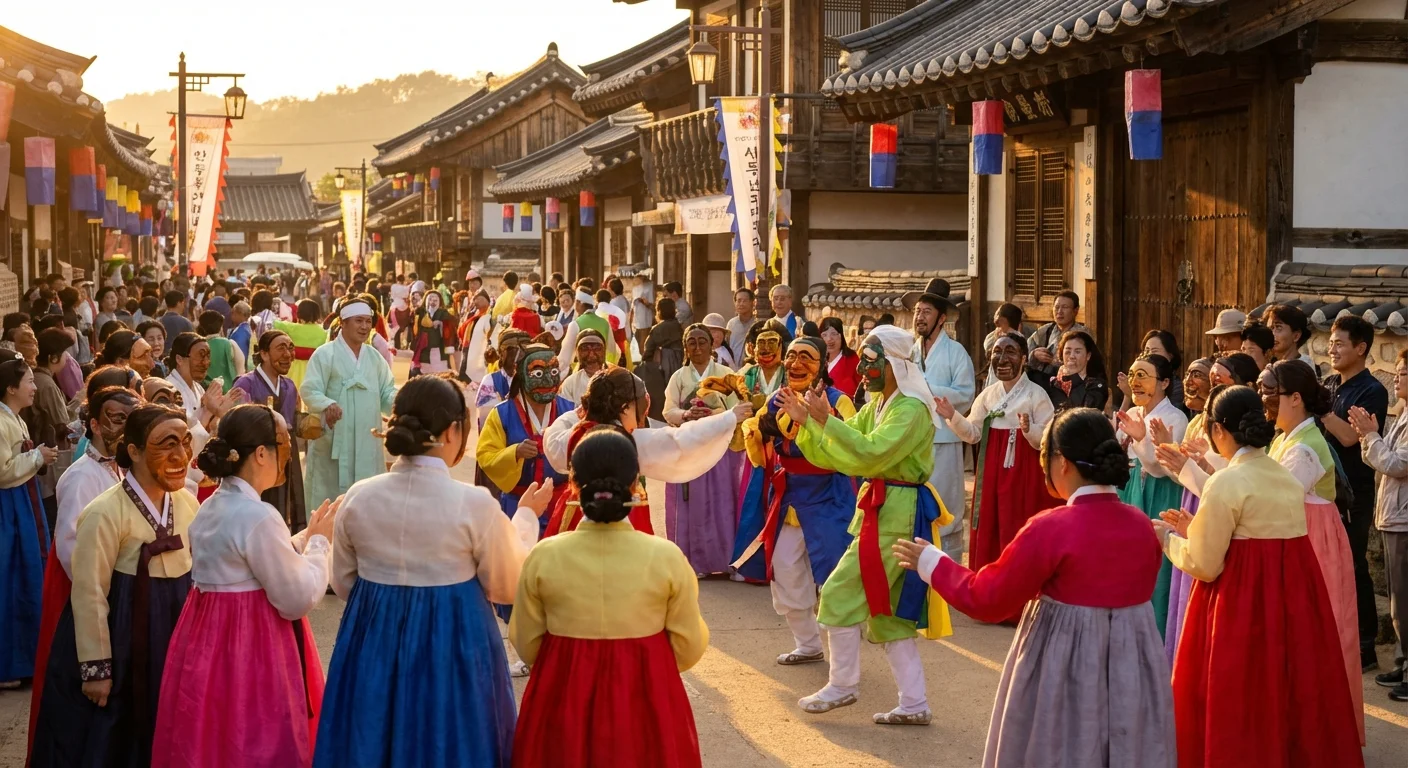
5. Andong Mask Dance Festival
Immerse yourself in the mesmerizing world of traditional mask dances at the Andong Mask Dance Festival. Known for its deeply cultural performances and engaging folk plays, this festival not only entertains but educates its audience on the significance of Korea’s mask dance heritage.
Practical Example: Take a mask-making workshop for KRW 10,000-20,000 to create your own piece of Korean artistry, connecting deeper with the culture behind the performances.
Personal Story: During a mask dance performance, I found myself engrossed in the colorful stories the masks told. It was as if each tilt of the head shifted me to another era. Later, I attended a workshop and created my own mask, a souvenir far richer in meaning than anything I could buy.
Where to Book 한국의 지역 축제와 행사 소개 Tours and Tickets
Booking for these regional festivals can be done easily online. Popular platforms include local travel agencies and international platforms offering curated tours and packages. For instance, you can book a package through travel agency websites that specialize in Korean events or check out local tourism board pages. Given the popularity of these festivals, securing your spot early is crucial, especially for accommodation and VIP event access. Keep an eye out for early-bird promotions and check current deals to snag the best prices.
Step-by-Step Guidance:
- Research the specific festival websites for direct information.
- Compare package deals on websites like Klook or Trazy for comprehensive options.
- Check Korean tourism websites for any special discounts or promotions.
Typical Prices & Budget Examples
Festival costs can vary based on the event and your preferences. Let’s break down a sample budget:
- Seoul Light Festival: Free entry, but special installations may charge KRW 10,000-30,000.
- Gyeongsang Province Historic Reenactment: Typically free, but guided tours can range from KRW 20,000-50,000.
- Winter Festival Series: Entry fees differ greatly. Snow festivals may charge KRW 10,000-20,000, and additional activities like ice fishing or sledding may cost extra.
- Busan Sea Festival: Most beach events are free; however, renting beach equipment can cost KRW 15,000-25,000.
- Andong Mask Dance Festival: Tickets for performances average from KRW 7,000-15,000.
Do consider transportation, accommodation, and meal expenses when planning your visit. A daily budget including mid-range lodging, meals, and festival activities could range from KRW 150,000-250,000.
DIY vs Package – Which Is Cheaper?
When it comes to attending these festivals, you have two main options: DIY or package tours. Each has its advantages:
DIY (Do It Yourself)
- Pros: More flexibility, tailor your itinerary, often cheaper as you can book budget accommodations and choose local food options. Great for travelers who enjoy spontaneity and exploration.
- Cons: Requires more planning, might miss discounted group rates, and involves navigating through potentially crowded sites alone.
DIY Strategy: For a DIY festival trip, prioritize purchasing discounted public transport passes and booking hostels or Airbnbs in advance.
Package Tours
- Pros: Convenience, comprehensive itineraries, often include transportation and accommodations, potentially access exclusive deals or events.
- Cons: Higher cost, less personal freedom, and the potential for crowded group schedules.
If your priority is saving money, DIY might edge out package tours in terms of flexibility and cost. However, if ease and access are your goals, consider comparing tours now to find competitive packages.
Best Passes & Discount Options
Many festivals offer discount passes or bundled deals for ticket purchases. Check if the festival organizers provide day passes or multiple-day discounts. Credit card companies, particularly Korean ones, sometimes partner with festivals to offer discounts or rewards, so exploring these options can lead to significant savings.
Additionally, the Discover Seoul Pass or Korea Tour Card can offer discounts on transportation and chosen attractions, making them worthwhile investments for frequent travelers.
Money-Saving Tips for Visitors
- Book Early: Secure the best rates on flights and accommodations by booking as early as possible.
- Travel Off-Peak: If your schedule allows, visit festivals mid-week when attendance is lower, leading to potential discounts.
- Leverage Public Transport: Use Korea’s efficient train and bus systems to save on travel expenses.
- Enjoy Local Markets: Indulge in the local culinary scene by dining at food markets and street foods rather than high-end restaurants.
- Pack Strategically: Bring necessary gear for festival activities (e.g., warm clothing for winter festivals) to avoid rental fees.
Additional Tip: Join online travel forums or Korean travel blogs, where you may find hidden gems of advice or insider tips on furthering your savings.
Seasonal Tips and Recommendations
Understanding the seasonal nuances of Korean festivals can enhance your experience:
- Spring & Fall: Ideal for outdoor festivals like Gyeongsang Province and Andong Mask, with warm days and cool nights.
- Summer: Best for the Busan Sea Festival, offering beachside fun and lively events.
- Winter: Perfect for winter festivals in Gangwon Province, offering picturesque snowy sceneries and winter sports.
Always verify festival dates against current information, as they can change due to unforeseen circumstances. Additionally, consider possible weather conditions by checking forecasts ahead of time.
Packing Tip: Always pack layers to adapt quickly to changing weather conditions – spring showers or autumn winds should not dampen your festival spirit!
Korea’s regional festivals promise spectacular celebrations of culture, tradition, and modern creativity. By planning ahead and making informed choices, you can enjoy these festivals without breaking the bank. With the right strategy, your journey will be filled with unforgettable memories and unique experiences. Happy travels!
FAQ
Q: How much should I budget for a festival trip in Korea?
Expect to spend between 100,000 and 300,000 KRW depending on the festival and your preferences.
Q: Where can I book tours and tickets for Korean festivals?
Online platforms like Naver and Interpark offer options to book in advance.
Q: Are there cheaper options for festival attendance?
Many festivals have free events; however, paid ones may offer more exclusive experiences.
Q: Should I book my festival tickets in advance?
Advance booking is recommended, especially for popular festivals which may sell out quickly.
Q: What are some money-saving tips for visiting Korean festivals?
Consider travel passes for public transport and look for package deals that include accommodation.
Ready to book your Korea trip?
Instead of just closing the tab, take one small step now:
- Compare tours, passes, and tickets for your dates
- Check if any city passes or discount cards include these spots
- Save 5–20% simply by booking online in advance
(Affiliate placeholder) 👉 See current Korea deals