Top 5 Korean Traditional Cultural Experiences – Tours, Prices & How to Book
Quick Info
- 📍 Area: Seoul and Jeonju
- 🕒 Best time: Spring and Fall
- 💰 Budget: Approx. 10,000₩ - 50,000₩ per experience
- 🚇 Getting there: Public transport is widely available
- 👥 Best for: Cultural enthusiasts and history buffs
- ✅ TL;DR: Explore Korea’s history with affordable traditional experiences. Book ahead to secure spots.
Before you start planning
If you’re thinking about 한국 방문 시 추천 전통 문화 체험, check current tour and pass deals first:
- See which 1-day / 2-day tours are discounted right now
- Compare DIY vs package prices in one place
- Lock in cancellable options while you read this guide
(Affiliate placeholder) 👉 Check Korea tour & pass deals
Embarking on a journey to South Korea opens a gateway to ancient traditions mingling harmoniously with modernity. It’s no surprise that travelers are eager to dive into authentic Korean experiences that leave lasting memories. This guide will unwrap the top five Korean traditional culture experiences, sharing where to book, typical costs, and tips to make the most of your adventure.
Introduction to Korean Traditional Cultural Experiences
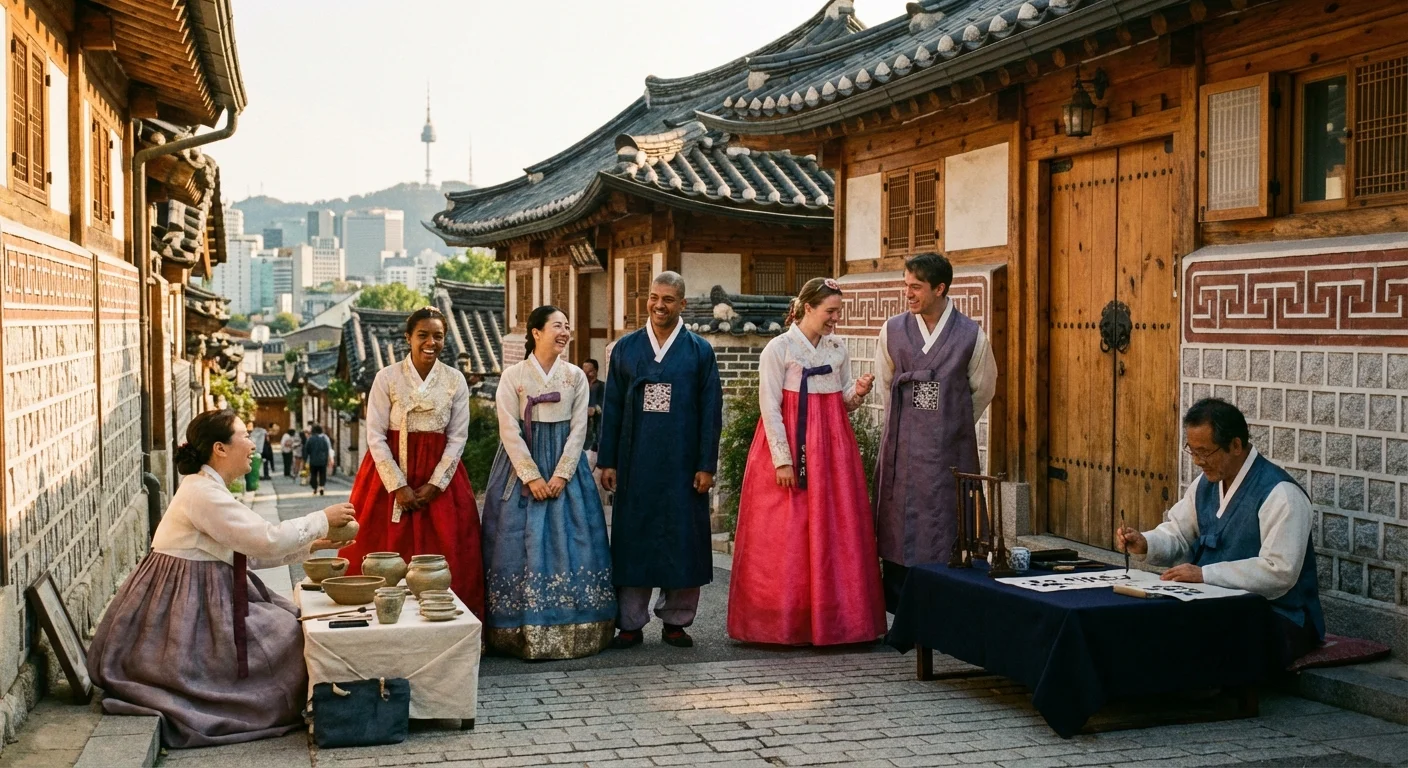
Stepping into South Korea is like walking through a vibrant tapestry of history and modern culture. Traditional cultural experiences such as wearing hanbok in historic palaces, participating in a traditional tea ceremony, or enjoying a therapeutic day at a jjimjilbang (Korean spa), allow travelers to immerse deeply into the essence of Korean heritage. These activities offer a glimpse into the historical roots and cultural nuances that make South Korea unique.
Understanding these traditions enhances your travel narrative, offering insights into customs and communities and leaving you with stories to share back home. Whether you’re a history buff, a cultural enthusiast, or simply seeking new experiences, Korea’s traditional culture awaits you. I remember my own first visit to a 서울 bada lamb 서울 jjimjilbang during a chilly November. The warmth of the saunas combined with the friendly atmosphere made it an unforgettable experience akin to stepping into a warm embrace.
Where to Book 한국 방문 시 추천 전통 문화 체험 Tours and Tickets

Booking your traditional culture experiences in Korea can be both simple and convenient. Here are some handy spots to consider when you’re planning:
-
Online Booking Platforms: Websites and mobile apps like Klook, Trazy, and GetYourGuide offer diverse experiences, from hanbok rentals to guided palace tours. These platforms often have user reviews and ratings to help you choose wisely. At times, I discovered hidden gems when browsing their special deals, like a hanok stay in the heart of Jeonju.
-
Tourist Information Centers: Upon arrival in Korea, visit any tourist center found in major cities such as Seoul and Busan. The staff can guide you on various available tours, show you how to book, and sometimes even offer discounts. One memorable encounter was receiving a 10% off palace tour coupon from an enthusiastic guide at the Insadong Tourist Information Center.
-
Local Tour Operators: Engaging with local tour companies can often provide more personalized experiences. They offer specific packages that are both inclusive and culturally enriching, often accompanied by enthusiastic guides eager to share their local knowledge. One tour operator in Gwangju even took the time to teach some basic Korean phrases, which proved invaluable during my solo travels.
When planning your trip, compare the options to find deals that suit your interests and budget. Also, ensure to check current deals to capture the best bargains.
Typical Prices & Budget Examples

Being financially prepared helps maximize your travel enjoyment. Here are rough estimates of costs associated with these traditional cultural experiences in South Korea:
-
Hanbok Experience and Gyeongbokgung Palace Tour: Hanbok rental fees vary from 10,000 to 30,000 KRW, depending on the style and duration of the rental. An entrance ticket to Gyeongbokgung Palace is about 3,000 KRW per adult. I recall paying around 25,000 KRW for a lavishly embroidered hanbok that made my photoshoot feel regal against the grand palace backdrop.
-
Traditional Tea Ceremony: Engaging in a traditional tea experience costs between 20,000 and 50,000 KRW, depending on the package and location. Opting for a session in a hanok tea house in Bukchon can be a serene contrast to the bustling city outside.
-
Jjimjilbang Experience: Admission fees range from 10,000 to 20,000 KRW. Additional services such as exfoliation treatments or massages are available at extra costs, typically starting at 15,000 KRW. During my visit to Dragon Hill Spa in Yongsan, a 30,000 KRW spa ritual left me refreshed and ready for my next adventure.
-
Traditional Craft Workshops: Prices for workshops, including pottery or hanji crafts, range from 20,000 to 50,000 KRW. Creating my own celadon pottery piece at a workshop in Icheon was not just art therapy but a tangible memory of my trip.
These prices are guidelines and can vary depending on location and season, so always double-check to ensure you’re within budget.
DIY vs. Package – Which Is Cheaper?
When deciding between DIY and package tours, consider the following:
-
DIY Approach: This often results in cost savings, especially on transportation. With resources like subway apps and T-money cards, you can ease your way around cities inexpensively. You have the flexibility to tailor your itinerary and experience at your own pace. However, this might mean missing out on expert insights offered by a guide. On my first solo journey, the thrill of discovering hidden street markets on foot was an experience in itself.
-
Package Tours: Though sometimes pricier, they offer a comprehensive experience, often including transportation, guides, and entry fees. This saves time and provides a seamless journey, ensuring you see highlights without logistical headaches. During a packaged tour to Jeonju Hanok Village, we had the added bonus of an impromptu guided street food tour, ensuring no flavor was missed.
In conclusion, if you’re comfortable navigating on your own and speak basic Korean or use translation apps, DIY might be cost-effective. Nonetheless, for first-time visitors or those seeking deep insights, package tours provide stress-free, organized fun with the benefit of local expertise.
Best Passes & Discount Options
Making moves to save some extra won? Here are some value options:
-
Combination Tickets: Discounted combo tickets are available for multiple palace entries in Seoul, including Gyeongbokgung. These are ideal for history enthusiasts with multiple visits planned. Once, armed with a combination ticket, I created an impromptu day of history across five centuries, ending with sunset views from Deoksugung.
-
Seoul Pass: A great investment for visitors planning multiple attractions. It offers discounts on various experiences, including hanbok rentals and cultural performances. The convenience of tapping my way through Seoul’s attractions with a Seoul Pass allowed for spontaneous yet budget-conscious fun.
-
Memberships or Loyalty Programs: Some booking platforms offer member discounts. Regular users might find substantial savings over time. I signed up for a loyalty program at a craft village in Gangwon Province, which rewarded me generously with free additional session vouchers.
Before purchasing, ensure you’re clear about what’s included to make the best use of your pass.
Money-Saving Tips for Visitors
Living the experience without splurging is possible with these tips:
-
Off-Peak Times: Visiting during off-peak times, like weekdays or non-public holiday periods, can sometimes yield discounts. A quiet Tuesday afternoon at Changdeokgung’s Secret Garden was not just cheaper but offered peace akin to a hidden sanctuary.
-
Early Bird Discounts: Some experiences offer significant savings for those who book in advance. A well-timed online booking landed me a 15,000 KRW discount for a Namsangol Hanok Village tour during the cherry blossom season.
-
Small Group Touring: Traveling with a group of friends or family can often result in shared costs, making it cheaper per person. Our family experience at a Jeju Island tea plantation was memorable and budget-friendly due to a group discount.
-
Local Coupons: Explore local tourism websites or ask your hotel about any available coupons or discount cards tailored for cultural experiences. A local friend shared a downloadable coupon from a Jeolla Province tourism site that waved off admission fees to a traditional arts center.
By leveraging these tips, you can maximize enjoyment while minimizing expense.
Detailed Reviews of Top Experiences
Each cultural experience echoes the voice of Korea:
-
Hanbok Experience and Gyeongbokgung Palace Tour: Feel the elegance of wearing a hanbok while traversing the courtyards of Gyeongbokgung, resonating with history. The panoramic charm during spring and fall provides unbeatable Instagram-worthy shots. The first time I twirled in my hanbok, I couldn’t resist imagining myself as historical royalty, even if just for a day.
-
Traditional Tea Ceremony: Engage in peaceful moments sipping traditional teas, uncovering the intricacies of Korean hospitality and etiquette. My first sip of lotus tea during a ceremony elicited tales from our host, who regaled us with stories of Korea’s illustrious dynasties.
-
Jjimjilbang Experience: Rejuvenate in a myriad of saunas, especially inviting during the winter months. You’ll appreciate both the communal culture and personal relaxation. Watching locals relax and chat in the salt sauna at Siloam Spa offered an unfiltered look at a beloved Korean pastime.
-
Traditional Craft Workshops: Channel your creativity while crafting Korean artifacts, a unique souvenir to encapsulate your visit. My painted fan from a workshop now hangs proudly in my home, a conversation starter and heartfelt reminder of my journey.
These experiences aren’t just activities; they’re gateways into the heart of Korean tradition and hospitality.
Conclusion & Final Recommendations
South Korea’s traditional cultural experiences offer a poignant glimpse into its rich heritage. By smartly planning your journey—whether diving into a calming tea ceremony or meandering through majestic palaces clad in hanbok—you’ll gather cherished memories.
Remember, by balancing your budget with informed decisions, you ensure a fulfilling journey without financial strain. Whether you’re lounging at a jjimjilbang or learning to wield a calligraphy brush, each moment spent in the embrace of Korean tradition is a story worth crafting. Check the latest deals, weigh your options, and immerse yourself in Korea’s captivating culture. Enjoy your exploration of this breathtaking country, and may your travel be both enlightening and gratifying.
FAQ
Q: What are the typical prices for Korean traditional experiences?
Prices range from 10,000₩ to 50,000₩ depending on the experience.
Q: Where can I book Korean traditional cultural tours?
Most experiences can be booked online or through travel agencies.
Q: Is it cheaper to book experiences in advance?
Yes, booking in advance often secures better rates and availability.
Q: Are there any discount passes for these cultural tours?
Check for combo passes or discounts available online for multiple tours.
Q: What should I bring for a hanbok experience?
Comfortable shoes and personal items like sunscreen are recommended.
Ready to book your Korea trip?
Instead of just closing the tab, take one small step now:
- Compare tours, passes, and tickets for your dates
- Check if any city passes or discount cards include these spots
- Save 5–20% simply by booking online in advance
(Affiliate placeholder) 👉 See current Korea deals